Cleanroom Construction & Operational Costs: 2026 Outlook
June 18, 2026
As we approach 2026, cleanroom stakeholders face a dynamic cost landscape shaped by technological advancement, regulatory tightening, and macroeconomic shifts. While inflationary pressures on materials and labor persist, strategic investments in energy efficiency and modular design are redefining total cost of ownership (TCO). This guide provides updated benchmarks and foresight for budgeting cleanroom projects in the 2026 timeframe.

Capital Expenditure (CapEx) Trends for 2026
Construction Cost Benchmarks
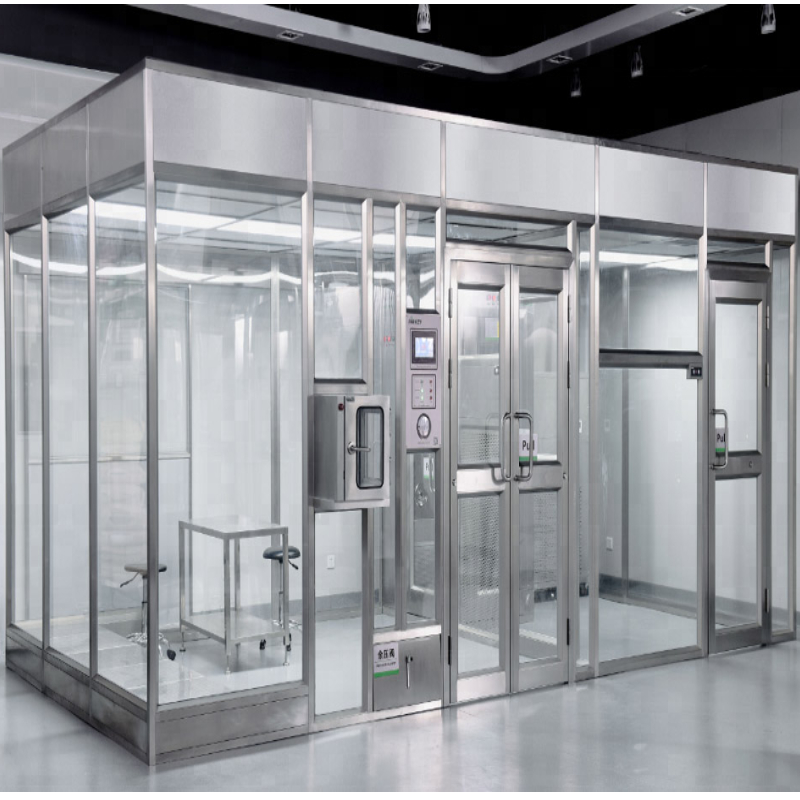
Based on current trajectories and industry forecasts, estimated hard construction costs for ISO-classified cleanrooms in North America and Western Europe are projected as follows:
ISO Class 7 / Class 10,000: $180 – $240 per sq. ft.
ISO Class 5 / Class 100: $320 – $450 per sq. ft.
GMP Grade A/B Pharma Suites: $500 – $750+ per sq. ft.
Note: These ranges exclude land, architectural fees, validation, and specialized process equipment. Regional variances can exceed ±20%.
Key CapEx Drivers in 2026
Modular & Prefabricated Systems: Adoption continues to rise, reducing on-site labor by 15–25% and compressing schedules by 3–6 months. Panelized wall/ceiling systems now offer faster ROI despite higher upfront material costs.
Advanced HVAC Integration: Energy recovery ventilators (ERVs), magnetic bearing chillers, and AI-driven BMS add 8–12% to mechanical budgets but are increasingly mandated by sustainability codes.
Regulatory Compliance Upgrades: EU GMP Annex 1 (2023 revision) and updated USP <797>/<800> requirements drive spending on enhanced monitoring systems, unidirectional flow devices, and contamination control strategies.
Labor Market Tightness: Skilled trades shortages in MEP and specialty cleanroom installation continue to push labor rates upward, particularly in high-demand biotech hubs.
Operational Expenditure (OpEx) Projections
Energy Consumption
Energy remains the largest OpEx component, typically representing 40–60% of annual operating costs. In 2026:
Electricity prices are expected to stabilize post-2024 volatility but remain 15–25% above pre-pandemic baselines in most regions.
Facilities adopting real-time particle counting with demand-controlled filtration report 20–35% energy savings vs. traditional fixed-airflow designs.
Heat pump adoption for simultaneous heating/cooling is accelerating, cutting thermal energy use by up to 50%.
Maintenance & Validation
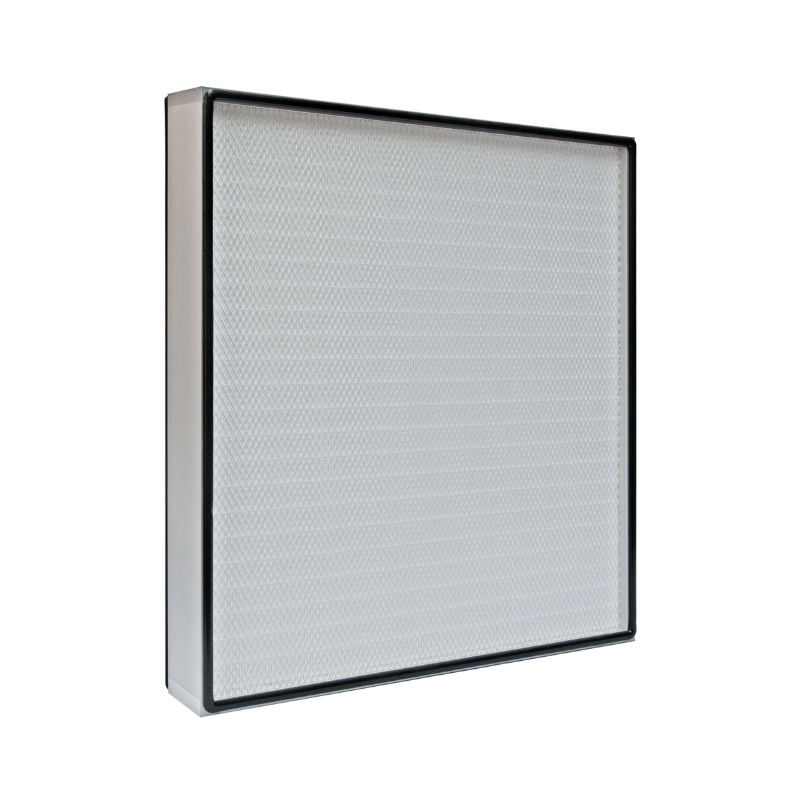
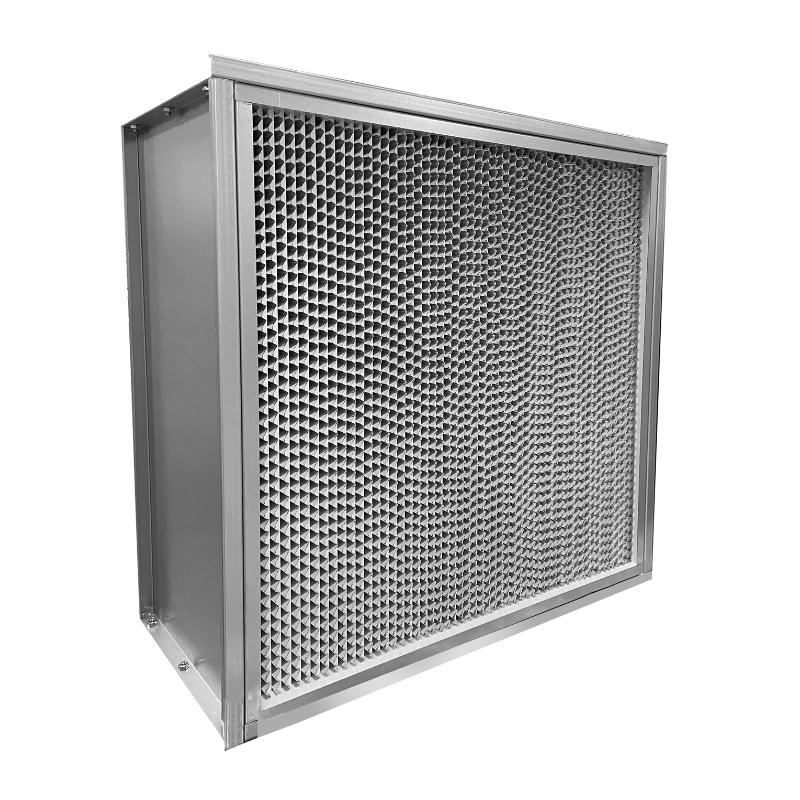
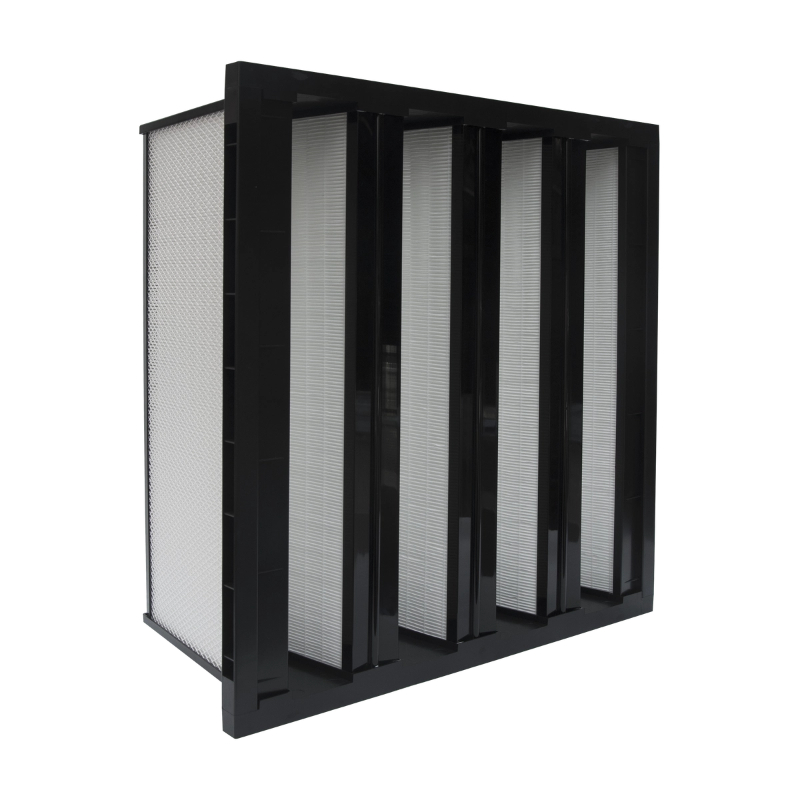
HEPA/ULPA filter replacement cycles are extending due to improved pre-filtration and smarter differential pressure monitoring, reducing annual filter spend by ~10%.
Continuous environmental monitoring systems (CEMS) require software licensing, calibration, and data integrity audits—adding $15–$30/sq. ft./year in digital compliance costs.
Requalification frequency may shift toward risk-based approaches under revised GMP guidance, potentially lowering third-party testing expenses.
Personnel & Consumables
Gowning and cleaning supplies see modest annual increases (~3–5%), but reusable garment programs and automated disinfection robots are gaining traction to offset labor-intensive protocols.
Training and certification costs rise as regulatory expectations for personnel competency grow.
Strategic Cost Optimization Levers for 2026
Lever
Potential Savings
Implementation Complexity
Notes
Modular Design
10–20% CapEx
Medium
Best for expansions or phased builds
Demand-Controlled Ventilation
25–40% Energy OpEx
High
Requires validated sensor network
Right-Sizing Classification
15–30% CapEx + OpEx
Low
Avoid over-specifying non-critical zones
Lifecycle Cost Analysis (LCCA)
Variable
Medium
Mandatory for public funding; reveals true TCO
Digital Twin Simulation
5–15% Design Rework
High
Reduces change orders during construction
Regional Considerations
North America: IRA incentives accelerate electrification and efficiency retrofits; state-level clean energy mandates vary significantly.
Europe: CBAM and CSRD reporting increase administrative burden but unlock green financing; stricter embodied carbon limits affect material selection.
Asia-Pacific: Rapid capacity expansion in China, India, and Singapore drives competitive pricing but introduces supply chain variability; local content requirements may impact sourcing.
Risk Factors to Monitor
Geopolitical Supply Disruptions: Semiconductor-grade filters and specialty polymers remain vulnerable to trade restrictions.
Interest Rate Environment: Higher financing costs extend payback periods for capital-intensive upgrades.
Talent Retention: Turnover in facilities engineering teams increases hidden operational risks and retraining costs.
Technology Obsolescence: Over-investing in proprietary systems without open standards may lock out future efficiencies.
Planning Recommendations
1. Adopt TCO Modeling Early: Integrate CapEx and 10-year OpEx projections into feasibility studies—not as an afterthought.
2. Engage Regulators Pre-Design: Align classification and monitoring strategies with agency expectations to avoid costly redesigns.
3. Prioritize Flexibility: Design for adaptability; today’s R&D suite may become tomorrow’s clinical manufacturing space.
4. Benchmark Against Peers: Use anonymized industry databases (e.g., ISPE, IEST) to validate cost assumptions.
5. Factor Sustainability as Value: Energy-efficient designs now correlate with faster approvals, lower insurance premiums, and ESG-aligned investor appeal.
Disclaimer
Cost figures presented are indicative estimates based on Q3 2025 market intelligence and forward-looking analysis. Actual costs will vary by location, scope, vendor selection, and project-specific conditions. Always obtain detailed quotations from qualified EPC firms and conduct site-specific feasibility assessments before finalizing budgets. This document does not constitute financial or engineering advice.