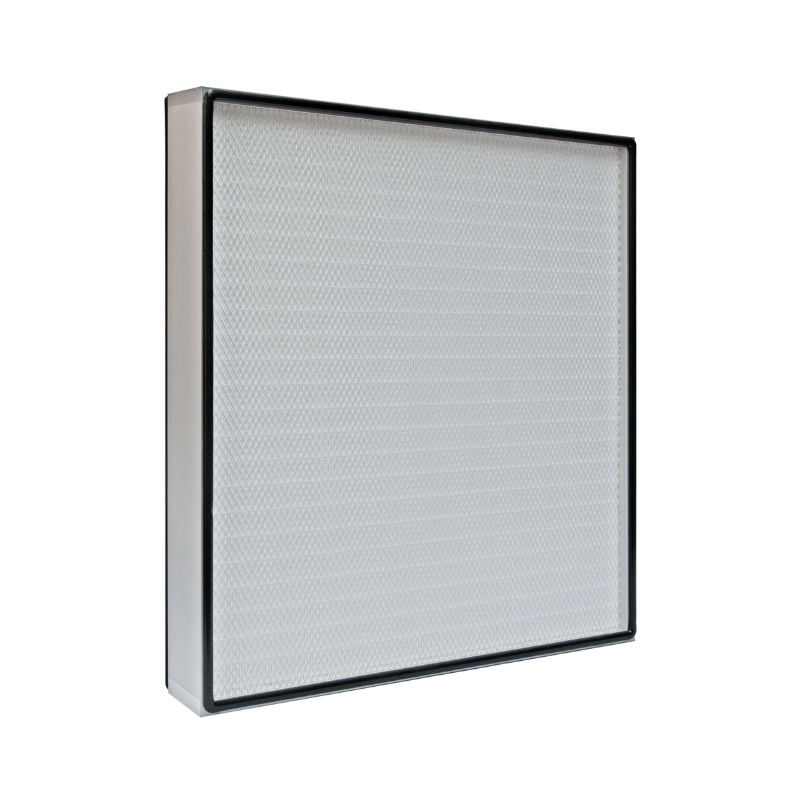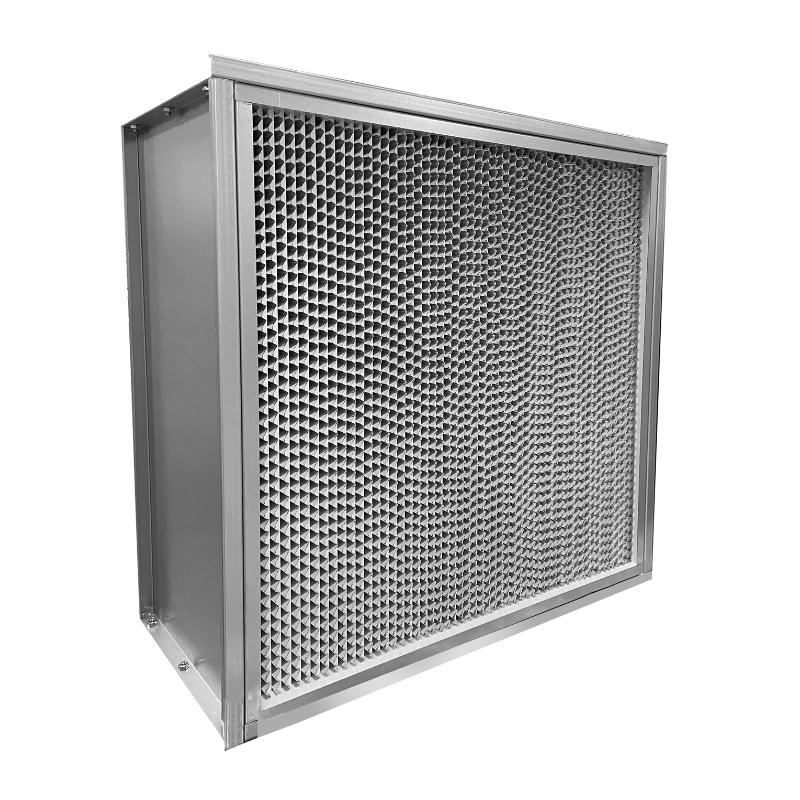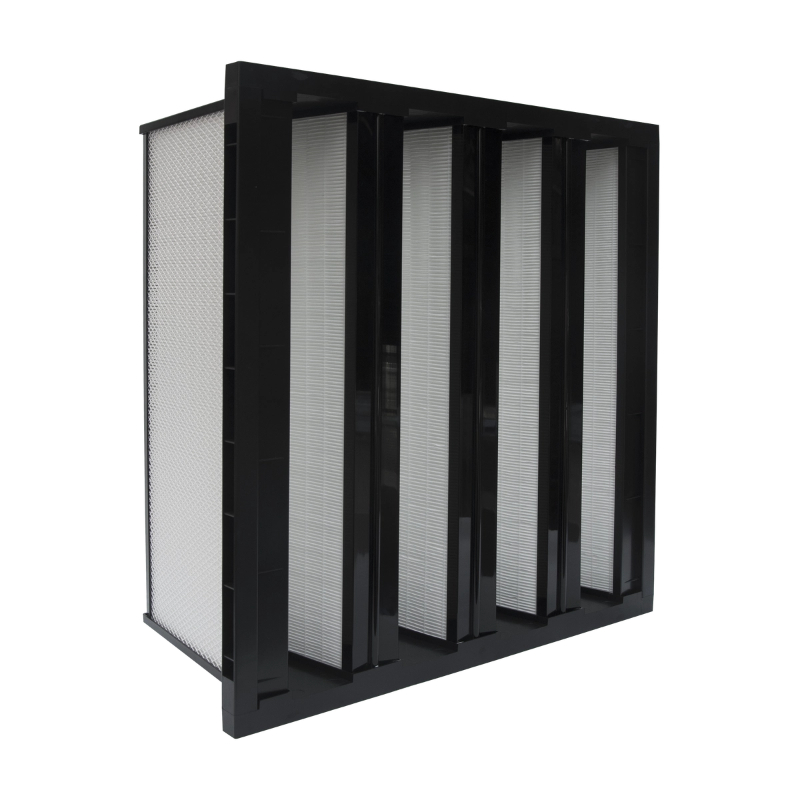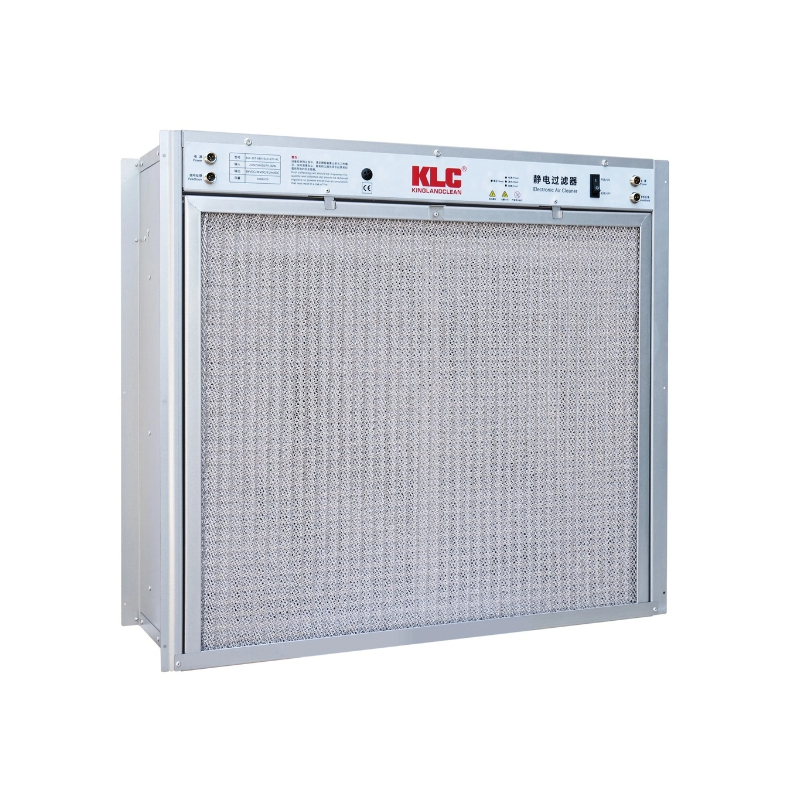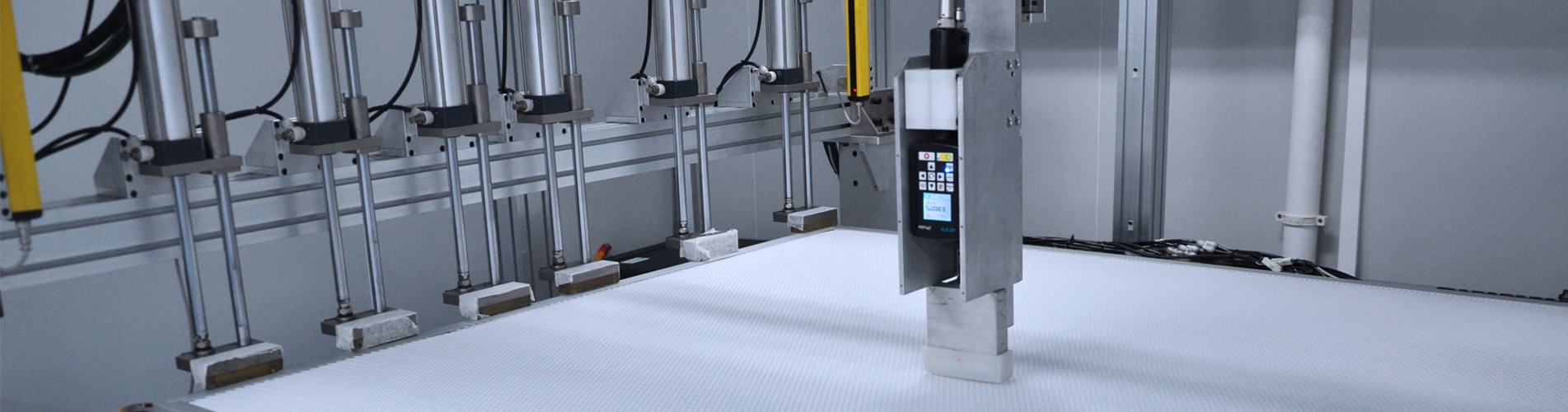
This comprehensive cleanroom equipment checklist outlines critical technical requirements from ISO 5 to ISO 8, mapping terminal filtration (FFU/HEPA boxes), personnel entry systems (air showers, garment cabinets), material transfers (pass boxes), and clean workstations with specific engineering standards and relative quantities per ISO classification.
This technical article covers the essential machinery, containment devices, and ancillary equipment required to establish a fully functional cleanroom compliant with ISO 14644-1. We present a master checklist table spanning ISO Class 5 to ISO Class 8, detail the distinction between minimum and recommended configurations, and highlight often-overlooked ancillary items. This guide is written for cleanroom construction project managers, industrial procurement heads, and quality assurance specialists in the biotechnology, pharmaceutical, medical device, and microelectronics sectors.
A certified cleanroom is not merely a room with high-efficiency filters; it is an integrated system designed to control airborne particulates, microbial contamination, temperature, humidity, and differential pressure. To maintain compliance under operational states, a cleanroom relies on a systemic hierarchy of control:
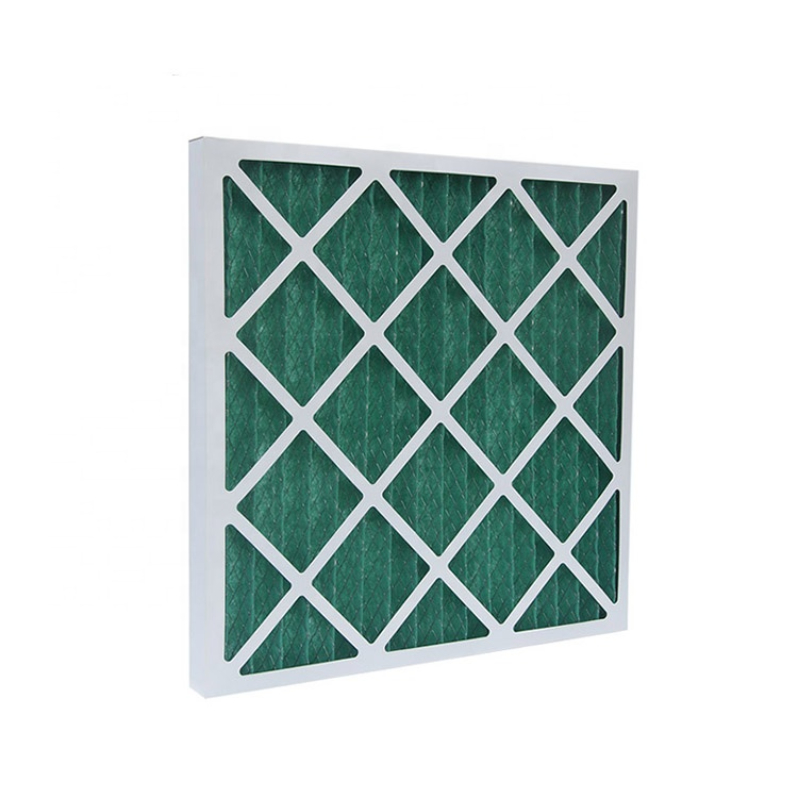
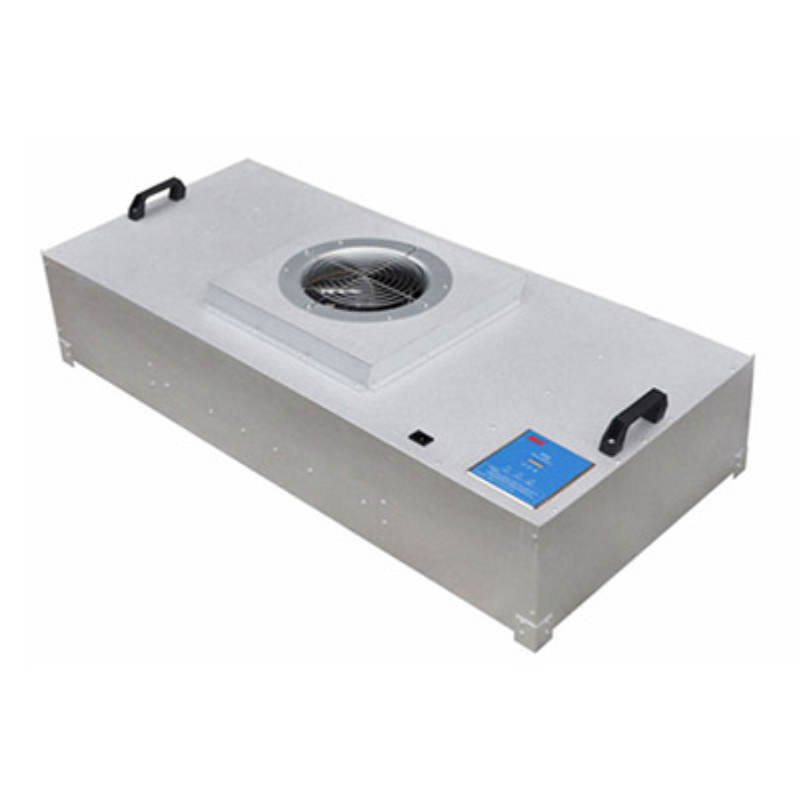
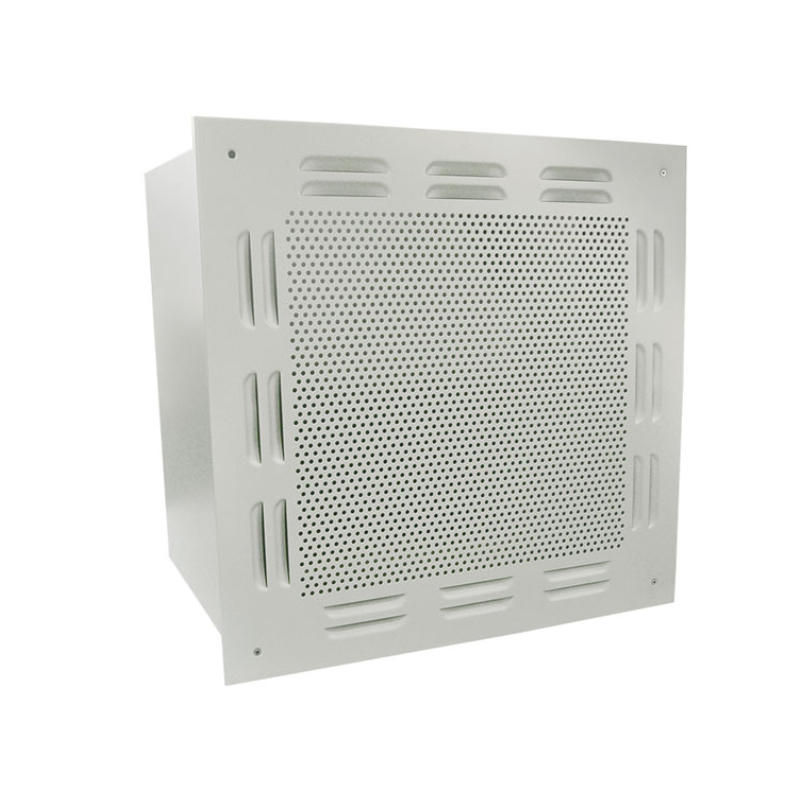
Dynamic Air Filtration (The Primary Barrier): Achieving the target cleanliness classification depends on recirculating and filtering massive volumes of air through HEPA or ULPA filters. This is achieved using either active Fan Filter Units (FFUs) or passive HEPA Filter Boxes.
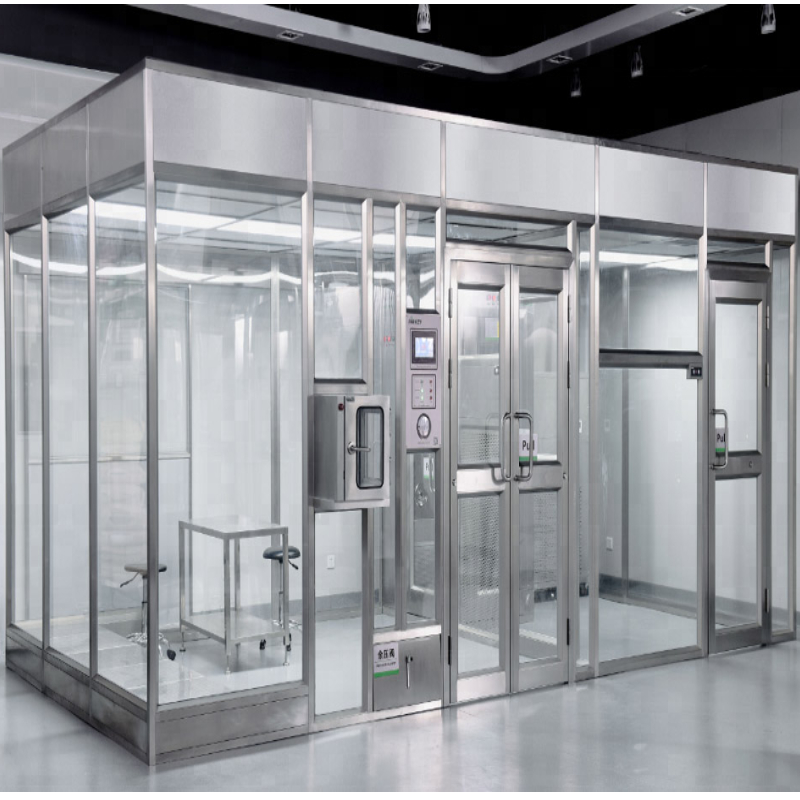
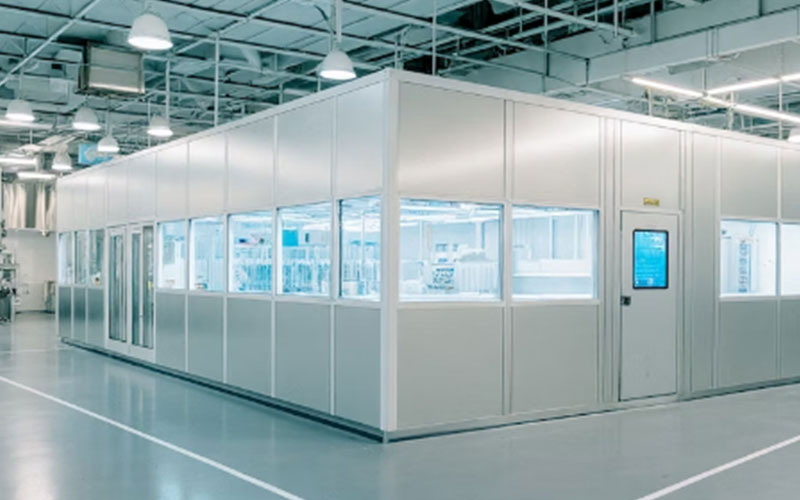
Physical Containment (The Secondary Barrier): Modular cleanroom wall panels, double-glazed flush windows, and hermetically sealed door systems act as physical barriers that prevent the ingress of unconditioned, contaminated air from surrounding corridors.
Personnel and Material Control Interfaces (The Tertiary Barrier): Humans and raw materials are the primary sources of contamination in cleanrooms. Therefore, entry and exit interfaces—such as air showers, garment cabinets, hand-washing stations, and material transfer pass boxes—are critical to neutralize particle shedding before contamination reaches the controlled production zone.
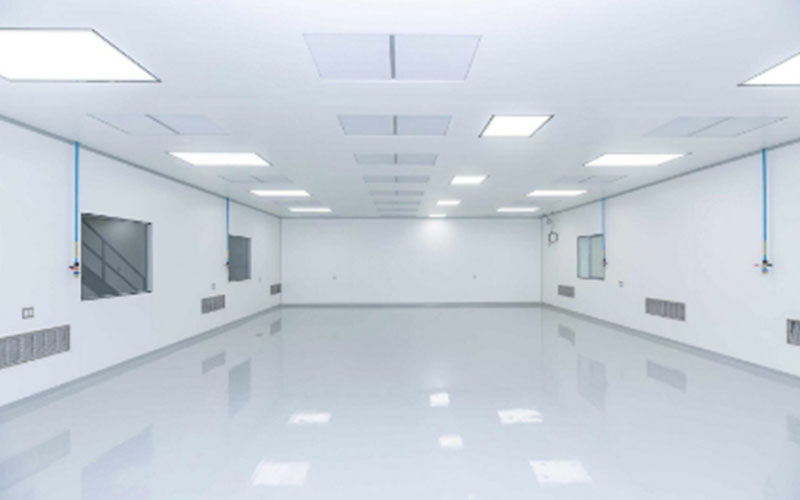
The table below outlines the required, optional, and recommended equipment configurations for ISO Class 5 through ISO Class 8 cleanrooms, complete with standard engineering specifications.
|
Equipment Type |
ISO Class 5 (Class 100) |
ISO Class 6 (Class 1,000) |
ISO Class 7 (Class 10,000) |
ISO Class 8 (Class 100,000) |
Technical Specification & Engineering Standard |
|
Fan Filter Unit (FFU) |
Required (30%–60% ceiling coverage) |
Required (15%–30% ceiling coverage) |
Highly Recommended (5%–15% coverage) |
Optional (1%–5% coverage; can use HEPA boxes) |
Brushless EC motor, RS485 group control, noise ≤53 dB(A), filter efficiency ≥99.995% at 0.3 µm (H14). |
|
HEPA Filter Box |
Optional (only if supplied by high-pressure central AHU) |
Optional |
Highly Recommended (preferred for passive systems) |
Required (or FFU; provides terminal filtration) |
Air-tight mechanical damper, gel-seal or neoprene gasket knife-edge, integrated PAO test port. |
|
Air Shower |
Required (at main personnel entry) |
Required (at main personnel entry) |
Highly Recommended (essential for high traffic) |
Optional (recommended if handling powders) |
Dual-blow nozzle design, velocity ≥20 m/s, H14 HEPA filtration, electronic door interlock. |
|
Pass Box |
Required (for all material transfers) |
Required |
Required (for clean/dirty boundary) |
Required (for entry from non-clean zones) |
Electronic/mechanical interlock, SS304 lining, flush double-glazed window; optional UV & HEPA purge. |
|
Laminar Flow Cabinet |
Highly Recommended (for micro-assembly/filling) |
Highly Recommended (for localized ISO 5 zone) |
Highly Recommended (to upgrade local workstation) |
Optional (provides localized clean zone) |
SS304 work surface, HEPA filtration, vertical or horizontal flow, velocity 0.45 m/s ± 20%. |
|
Biosafety Cabinet |
Required (if handling biohazards/pathogens) |
Required (if handling biohazards) |
Required (if handling biohazards) |
Required (if handling biohazards) |
Class II Type A2/B2, 70% recirculation/30% exhaust (A2), ULPA filtration, NSF/ANSI 49 certified. |
|
Weighing & Dispensing Booth |
Required (for API & powder weighing) |
Required (for powder weighing) |
Highly Recommended (if dispensing chemicals) |
Optional (depends on material hazard) |
SS316L working zone, negative pressure containment (-15 Pa), 10% bleed exhaust, OEL containment <1 µg/m³. |
|
Hermetic Door |
Required (double-gasketed, swing or sliding) |
Required |
Required |
Required |
Flush steel frame, perimeter rubber drop-down gasket seals, interlock capability, 1.2mm cold-rolled steel. |
|
Garment Cabinet |
Required (with HEPA filtration and UV lamp) |
Required (with HEPA and UV) |
Required (with HEPA and UV) |
Required (standard stainless steel or HEPA cabinet) |
SS304 body, H14 HEPA vertical laminar flow, UV germicidal lamp, differential pressure monitoring. |
|
Hands-Free Wash & Dry Station |
Required (at entry; automatic faucet & HEPA dryer) |
Required (at entry) |
Required (at entry) |
Highly Recommended (near gowning room) |
Foot/sensor-activated water, automatic liquid soap dispenser, high-speed HEPA-filtered hand dryer (≤15s). |
|
Self-Purification Device |
Not Needed (relies on FFU arrays) |
Optional (for rapid particle recovery) |
Highly Recommended (for temporary/mobile clean zones) |
Highly Recommended (mobile cleanup and recovery) |
Multi-stage filtration (G4 + F8 + H14), castor wheels, adjustable fan speed, airflow up to 2000 m³/h. |
When budgeting for a cleanroom project, engineering teams are often tempted to install the “minimum configuration” that satisfies regulatory particle count guidelines during initial validation (“at-rest” state). However, this minimum configuration can lead to operational failures under “operational” states when personnel are actively moving and shedding particulates.
• The Minimum Configuration Risk: In a minimum configuration, an ISO Class 7 cleanroom might rely solely on passive HEPA Filter Boxes supplied by a central AHU, with manual swing doors and a simple passive pass box. While this may pass an empty-room particle count test, the lack of an air shower means personnel enter the room carrying surface lint. The absence of automatic hands-free washing allows soap and moisture residue to shed into the gowning room. Furthermore, manual air balancing in passive systems cannot compensate for localized particle spikes, leading to yield loss and batch contamination.
• The Recommended Configuration Advantage: Investing in the recommended configuration involves installing active EC motor FFUs with digital group controls, a dual-blowing air shower at the main entrance, and dynamic HEPA-purged pass boxes. The digital FFU system automatically ramps up airflow to compensate for localized particle loads. The air shower sweeps away loose dust from operators’ garments prior to entry, and dynamic pass boxes continuously purge material surfaces with HEPA-filtered air during transfers. This holistic approach ensures that the cleanroom consistently operates within specification, even during peak production shifts.
While massive terminal filters and air showers receive the most attention, two critical components are frequently overlooked, leading to unexpected contamination:
HEPA-Filtered Garment Cabinets: Cleanroom gowns (jumpsuits, hoods, booties) are made of low-shedding synthetic fibers, but they can still collect airborne dust while hanging in the gowning room. A standard stainless steel wardrobe allows particles to settle on the outer surfaces of the garments. A HEPA-filtered garment cabinet continuously sweeps the hanging gowns with a vertical laminar flow of clean air, while an integrated UV germicidal lamp sanitizes the fabric, ensuring that the gowns remain completely sterile and particle-free until they are worn.
Hands-Free Washing and High-Speed HEPA Hand Dryers: Wet skin sheds millions of epithelial cells (skin flakes) when rubbed. Gowning with damp hands or using standard paper towels (which shed massive amounts of cellulose fibers) introduces high levels of contamination. Cleanrooms must utilize hands-free, sensor-activated washing stations coupled with specialized high-speed hand dryers equipped with internal HEPA filters. These dryers dry hands completely in under 15 seconds using sterile air, eliminating paper fiber contamination and minimizing biological shedding.
Sourcing cleanroom equipment from multiple uncoordinated vendors can lead to mechanical compatibility issues, unmatched aesthetic finishes, and complex validation processes. KLC International offers a comprehensive, vertically integrated portfolio of cleanroom machinery, supplying every single item on the master checklist:
• Single-Source Engineering Match: All KLC equipment is designed with uniform design standards. For example, KLC pass boxes, air showers, and hermetic doors feature matching Stainless Steel 304 or 316L brushed finishes (Ra < 0.4 µm) and integrated electronic interfaces, ensuring seamless mechanical and electronic compatibility.
• Advanced Control Systems: KLC cleanroom doors, air showers, and pass boxes utilize advanced PLC microprocessors with integrated LED status displays. They support electronic interlocks, customizable door-open delays, and emergency release overrides for occupant safety.
• Simplified Validation and Audits: By procurement from KLC, facilities managers receive a unified package of factory certification documents, including HEPA filter leak-free certificates, electrical wiring diagrams, and material chemical composition reports. This consolidated documentation simplifies DQ/IQ/OQ validation protocols and ensures smooth compliance audits under ISO, FDA, and GMP guidelines.
An ISO Class 8 cleanroom has a relatively high particle tolerance (3,520,000 particles/m³ for particles ≥0.5 µm), meaning the ambient air volume can easily dilute and filter out the surface dust introduced by entering personnel. However, ISO Class 5 and 6 cleanrooms have extremely low particle tolerances, where a single operator entering with dusty garments can cause immediate contamination. The high-velocity (≥20 m/s) air jets of an air shower are necessary to sweep particles off gowning garments before entry.
A static pass box is a passive transfer chamber with double doors and an electronic/mechanical interlock system, designed to transfer materials between rooms of similar cleanliness. A dynamic pass box features an integrated fan and terminal HEPA filter. When material is placed inside and the door is closed, the unit performs an automated HEPA-filtered purge cycle to strip away any surface particles before the opposite door is unlocked, protecting higher-class cleanrooms from cross-contamination.
A self-purification device is a mobile, self-contained air filtration unit mounted on castors, featuring primary, medium, and HEPA filters. It is used to rapidly recover cleanliness levels in cleanrooms after maintenance, or to temporarily upgrade a localized area to a higher cleanliness class. It is highly effective for localized particle containment in ISO 7 and 8 cleanrooms during temporary high-emission processes.
Standard paper towels are made of pressed wood pulp fibers, which shed millions of cellulose particulates when torn or rubbed against skin, making them a primary source of cleanroom contamination. The only acceptable alternatives are hands-free, high-speed hand dryers equipped with integrated HEPA filters, or specialized cleanroom-grade, non-shedding continuous polyester wipes.
A Class II Type A2 Biosafety Cabinet is a specialized workstation that protects the operator, environment, and product. It utilizes HEPA-filtered laminar downflow to protect the product, draws in room air to form a front inflow barrier to protect the operator, and recirculates 70% of the air while exhausting 30% through a HEPA filter to protect the environment. It is required when handling biological hazards, recombinant DNA, or low-to-moderate risk pathogens in pharmaceutical and clinical cleanrooms.
No. Standard commercial doors lack the necessary airtight sealing and clean construction required for cleanrooms. Cleanroom doors must be flat and flush-mounted (to eliminate dust-collecting ledges), constructed of non-porous powder-coated steel or stainless steel, and equipped with continuous rubber gaskets and automatic drop-down bottom seals to maintain pressure differentials and prevent air bypass.
Electronic door interlocks prevent two adjacent doors in a gowning room or airlock from being opened simultaneously. This maintains the cleanroom’s pressure barrier, preventing external contaminated air from bypassing the airlock and entering the cleanroom, and ensures that personnel complete the required air shower or gowning protocols before progressing.
KLC cleanroom hand dryers feature a dual-stage filtration system: an initial G4 pre-filter to capture ambient dust, followed by a medical-grade H14 HEPA filter that filters 99.995% of particles down to 0.3 microns. This ensures that the high-velocity air jet directed onto the operator’s hands is completely sterile, preventing re-contamination of washed skin.
Designing a cleanroom that consistently meets ISO 5 to ISO 8 standards under active operational conditions requires a systemic equipment checklist. Relying only on the minimum allowable equipment increases contamination risks. To protect your production yields and ensure smooth regulatory certifications, always invest in a comprehensive configuration that includes active FFU arrays, automated air showers, hands-free entry systems, and HEPA-purged pass boxes.
For a reliable, high-performance cleanroom setup, consult with KLC International. We manufacture the complete range of cleanroom equipment in-house, ensuring mechanical, structural, and electronic compatibility across your entire facility. Visit KLC International to download our full product catalogs, access equipment datasheets, and consult with our cleanroom design engineers.



 IPv6 network supported