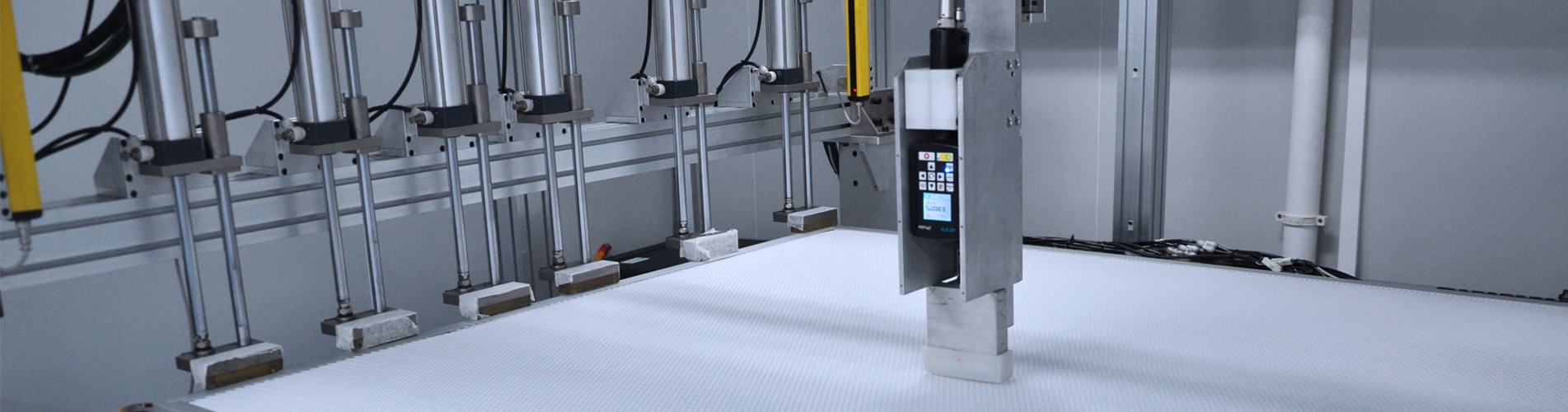
In the selection of high-efficiency air filters (HEPA), choosing between H13 and H14 often leaves corporate procurement in a dilemma. Although they differ by only a single letter, they exhibit significant differences in performance, energy consumption, and cost. Blind selection can easily lead to insufficient purification or wasted resources.
Companies often fall into the misconception that "higher efficiency is always better" due to a lack of understanding of filtration efficiency, or they overlook the long-term energy costs caused by resistance, ultimately resulting in redundant procurement or operational burdens.
Therefore, the key to scientific selection lies in moving beyond single-parameter comparisons and starting from system compatibility and total lifecycle costs. It requires accurately analyzing the core differences between the two in efficiency, energy consumption, and maintenance, enabling companies to find the most cost-effective cleanroom solution.
Precise Classification of Filtration Efficiency
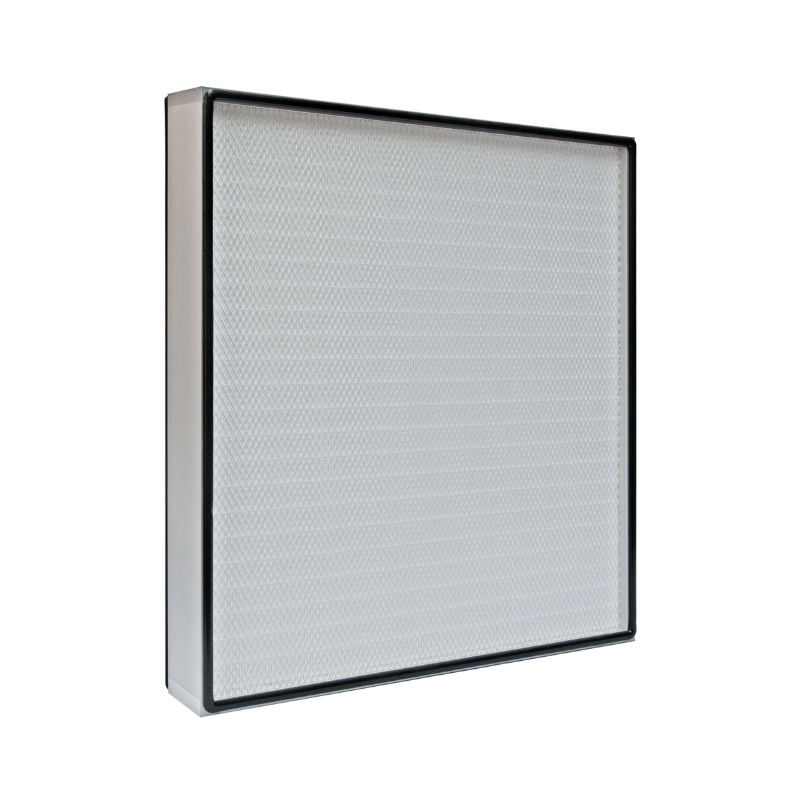
According to the EN1822 standard, H13 has a filtration efficiency of ≥99.97% for 0.3μm particles, with a penetration rate of ≤0.03%, while H14 reaches ≥99.995%, with a penetration rate of ≤0.005%, achieving about 6 times higher purification accuracy.
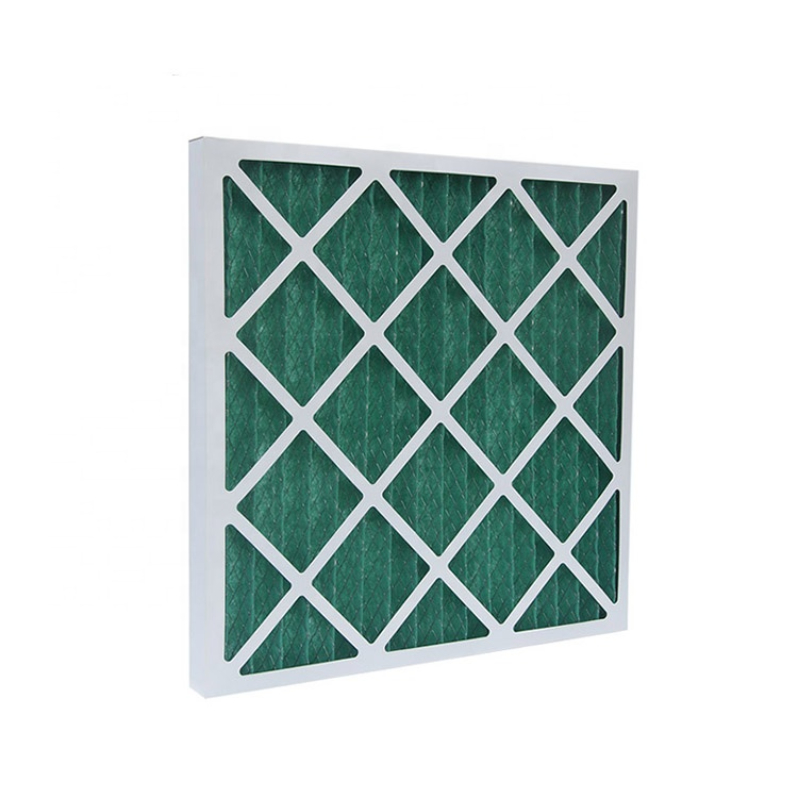
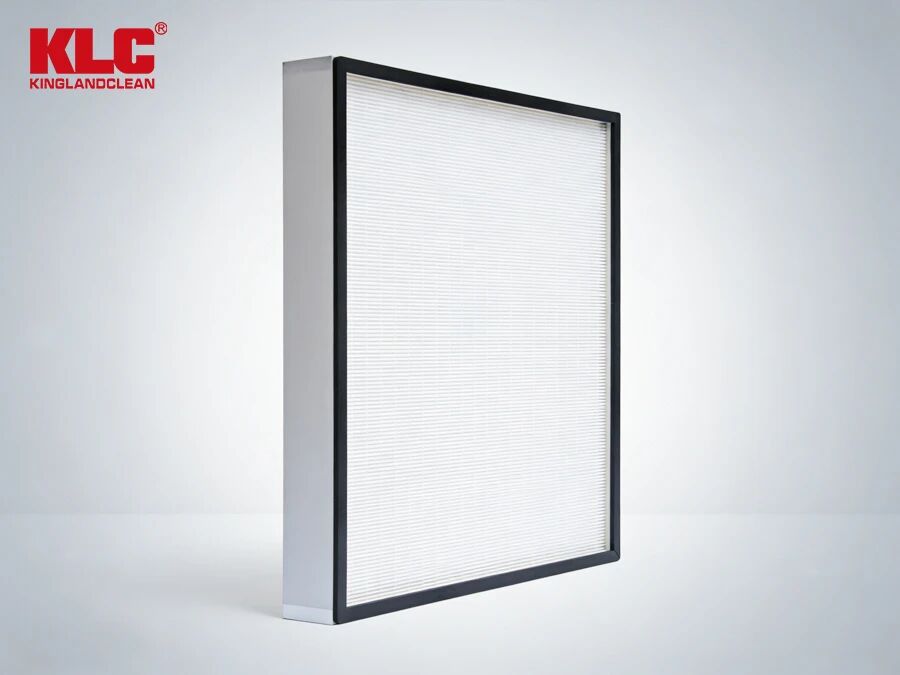
▲ KLC Mini-pleat Filter
Balancing Resistance and Energy Consumption
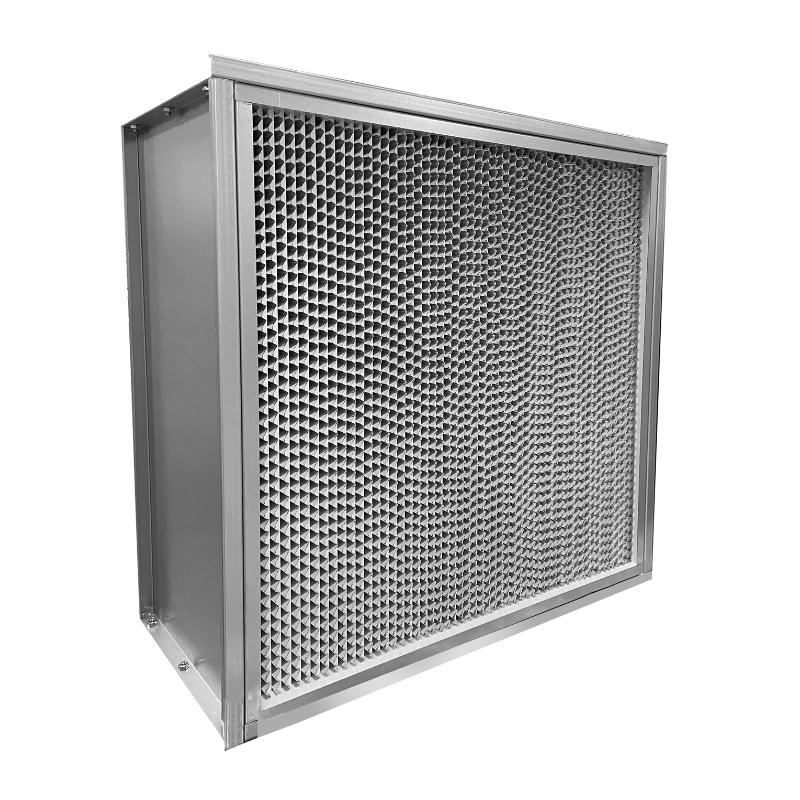
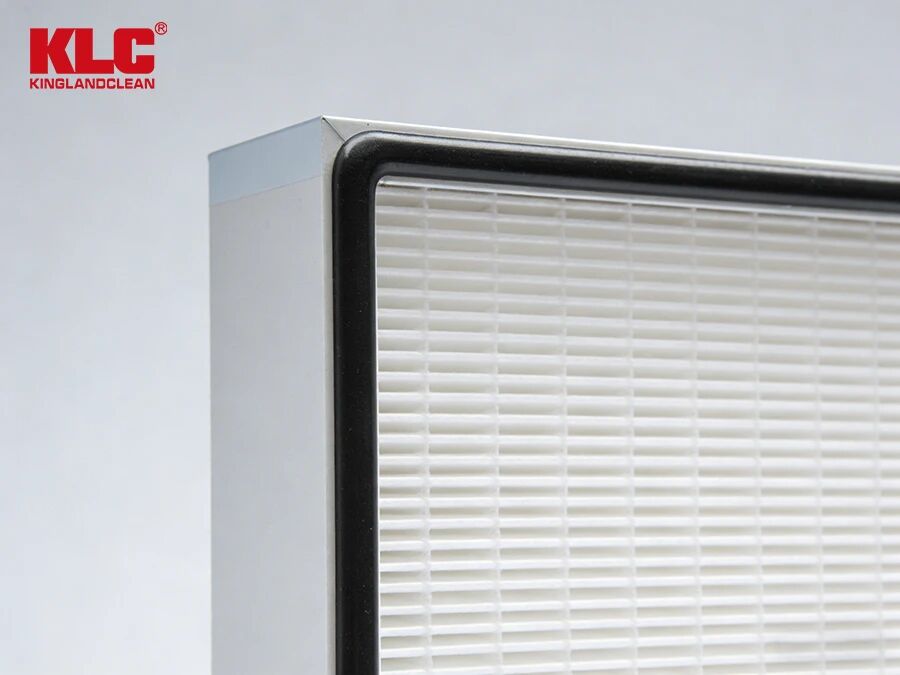
H14, due to its higher filter material density, has an initial resistance 10%-20% higher than H13, which will increase fan electricity costs during long-term operation.
▲ KLC Mini-pleat Filter
Considering Costs Across the Entire Lifecycle
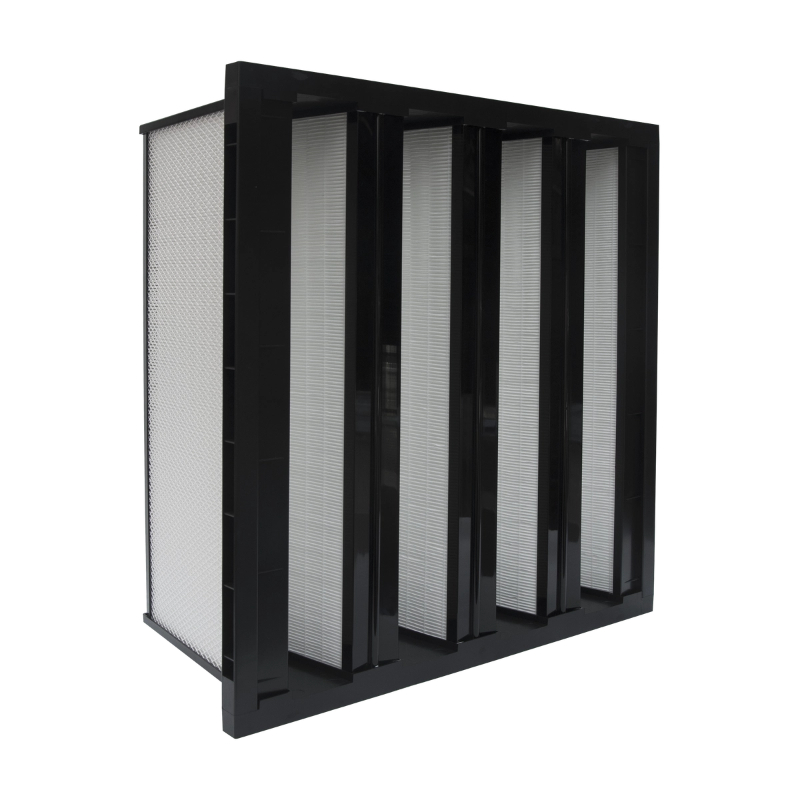
The procurement price of H14 is 15%-30% higher than H13, and due to the denser filter material, the replacement frequency may be slightly higher, so maintenance costs need to be evaluated comprehensively.
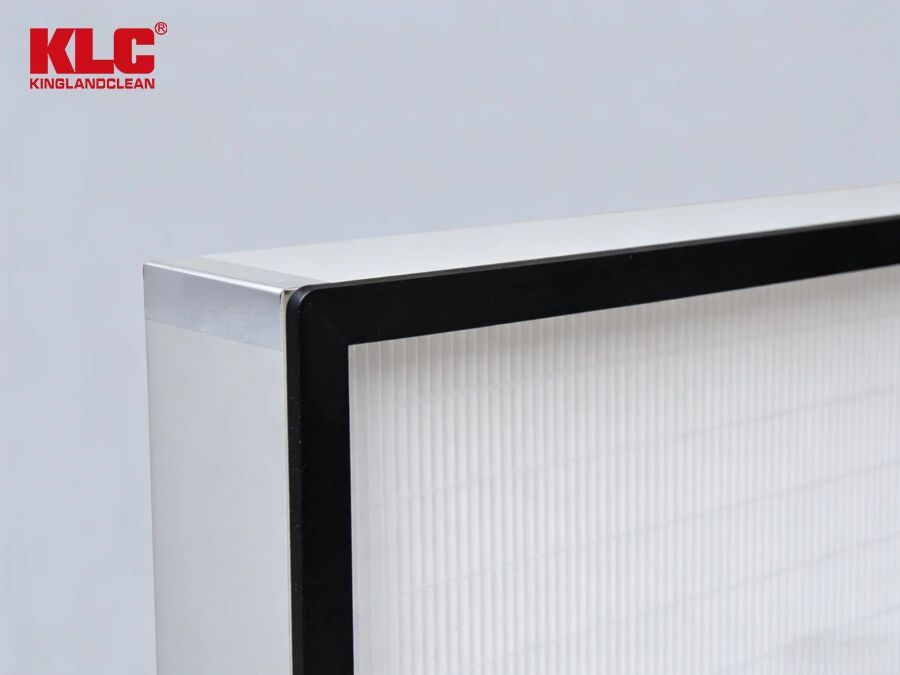
▲ KLC PTFE Mini-pleat Filter
Selection Recommendations
★ Check industry standards: H14 is recommended for pharmaceutical Grade B and above areas, while H13 is suitable for C/D grades.
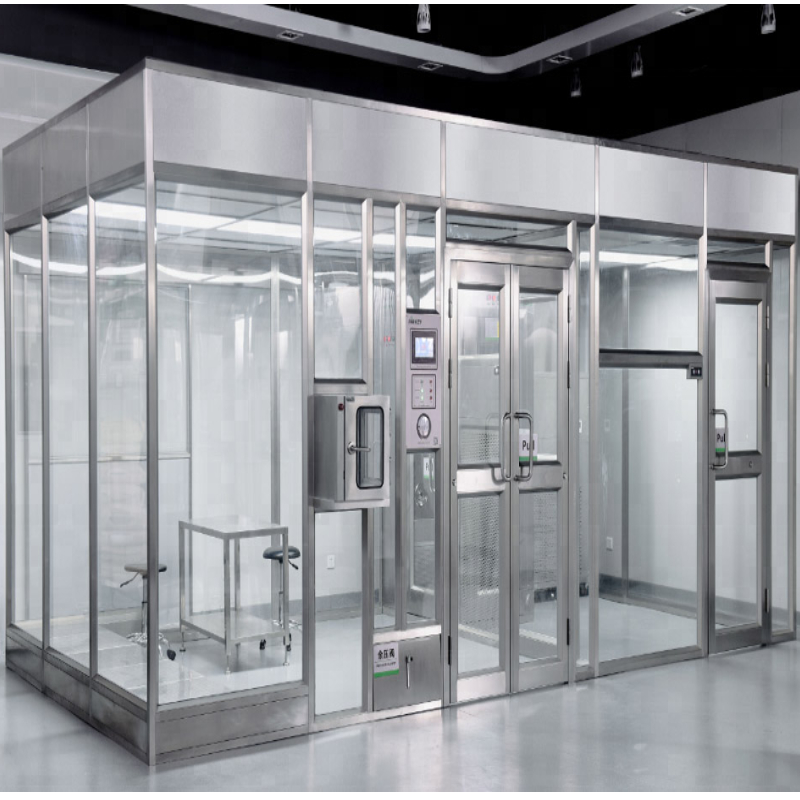
★ Check cleanroom levels: Use H14 for ISO5 environments; H13 offers a better cost-performance ratio for ISO7-8 levels.
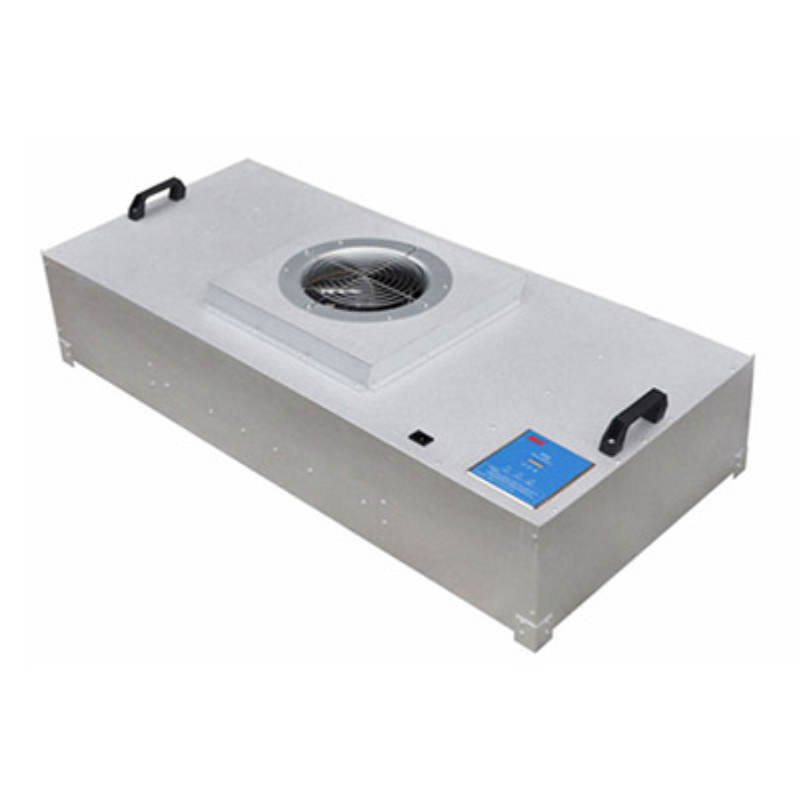
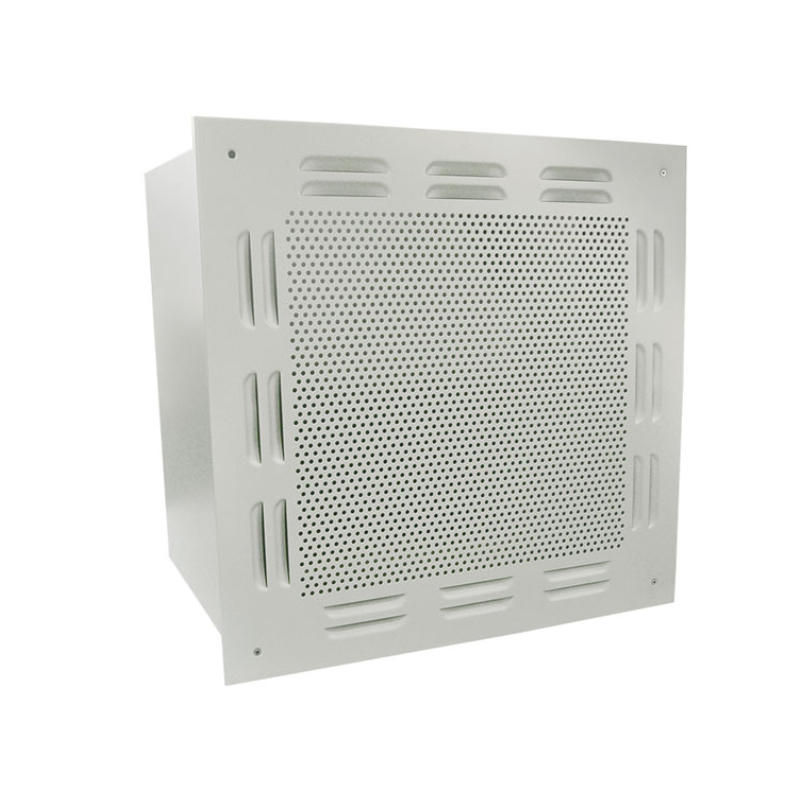
★ Check system configuration: Use H13 for ordinary air supply outlets, and H14 can be considered for high-precision FFU systems.
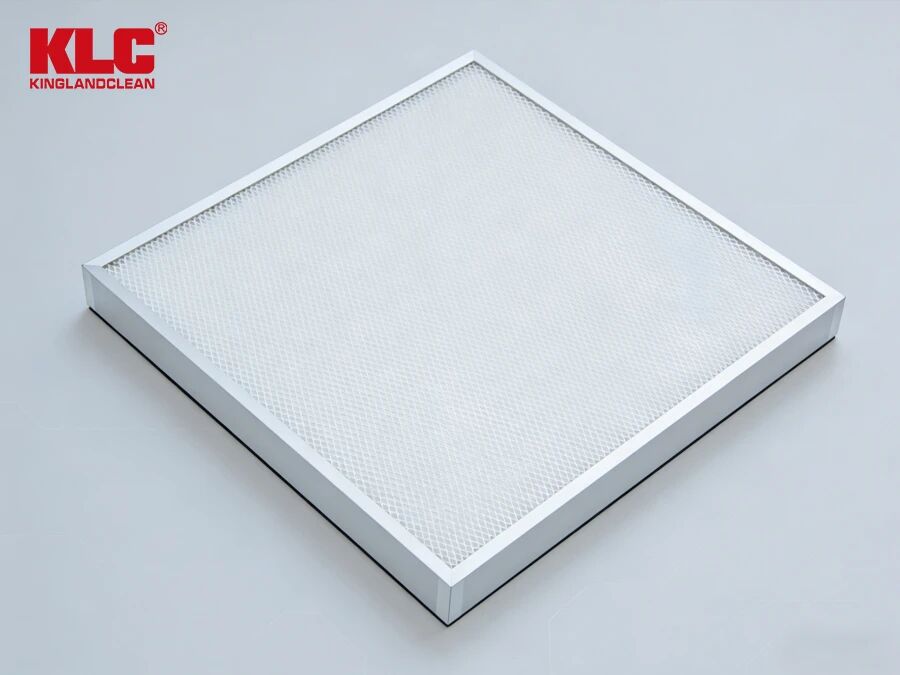
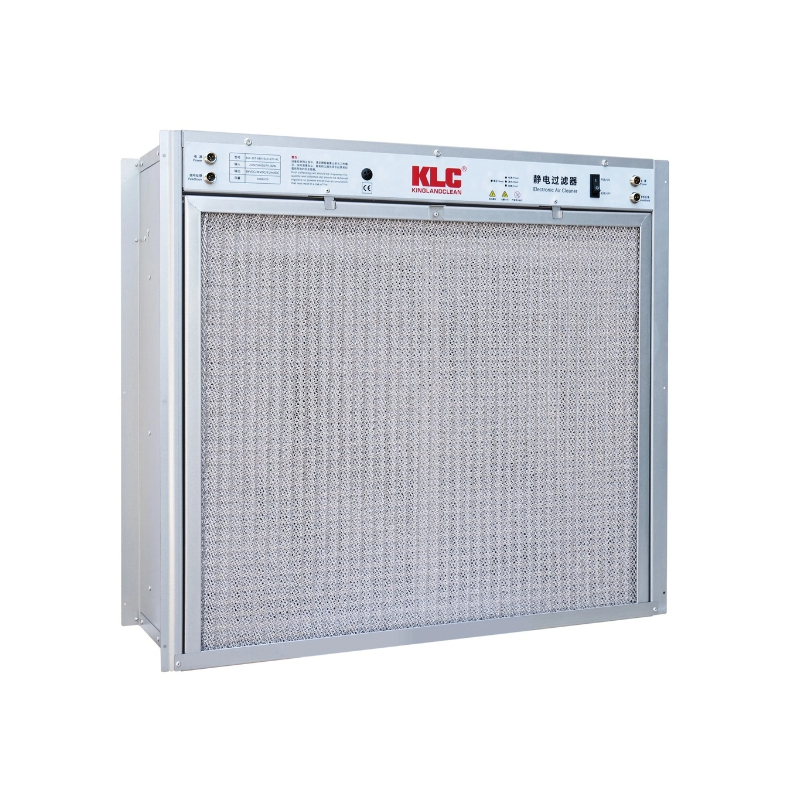
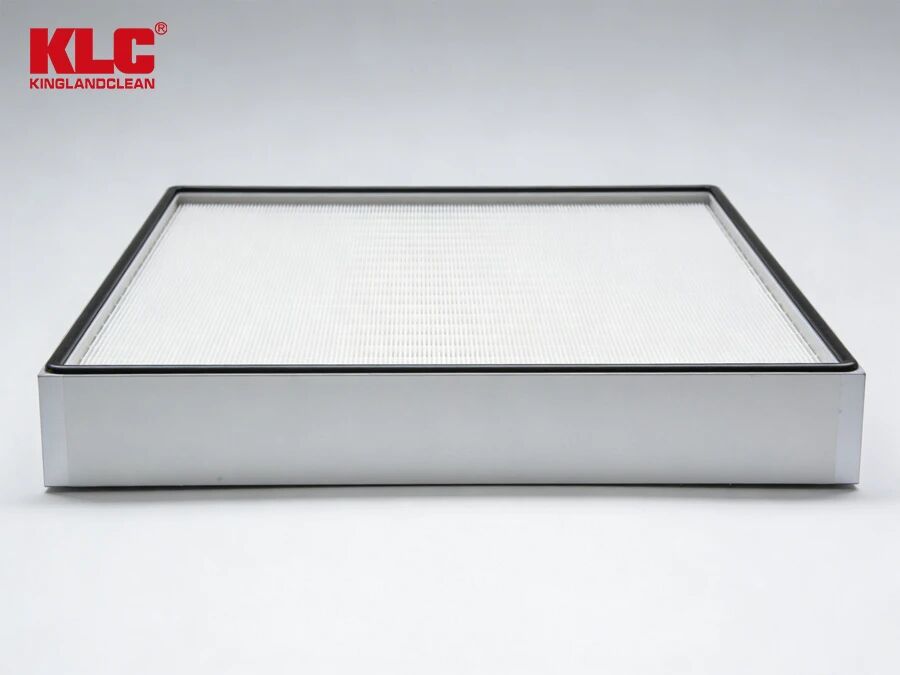
▲ KLC Mini-pleat Filter
In summary, the choice between H13 and H14 should be based on the principle of "meeting process requirements." KLC's H13 and H14 filters undergo 100% scan leak detection, ensuring a reliable cleanroom environment for you.



 IPv6 network supported