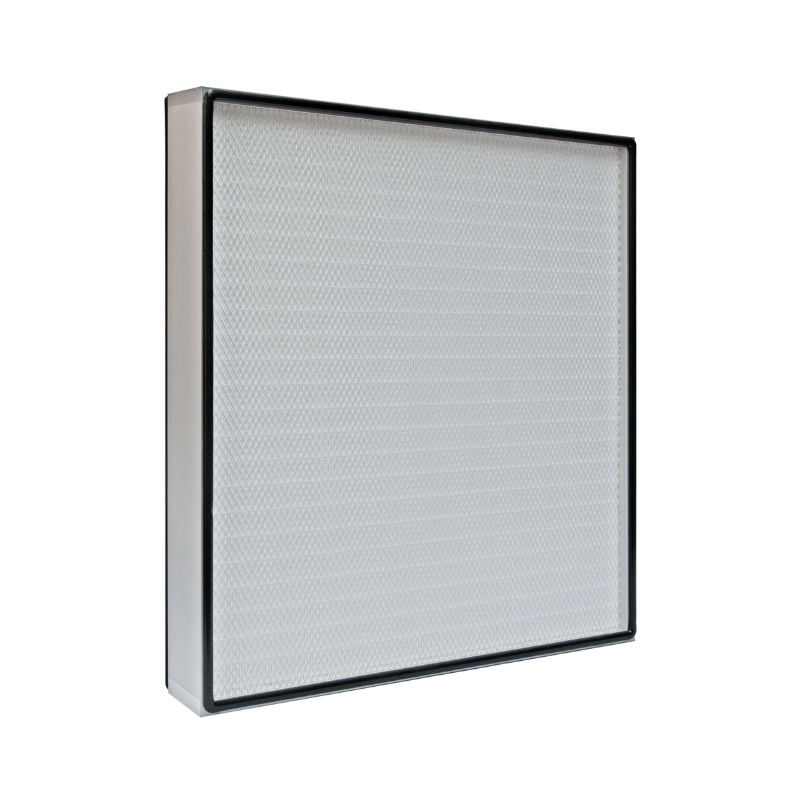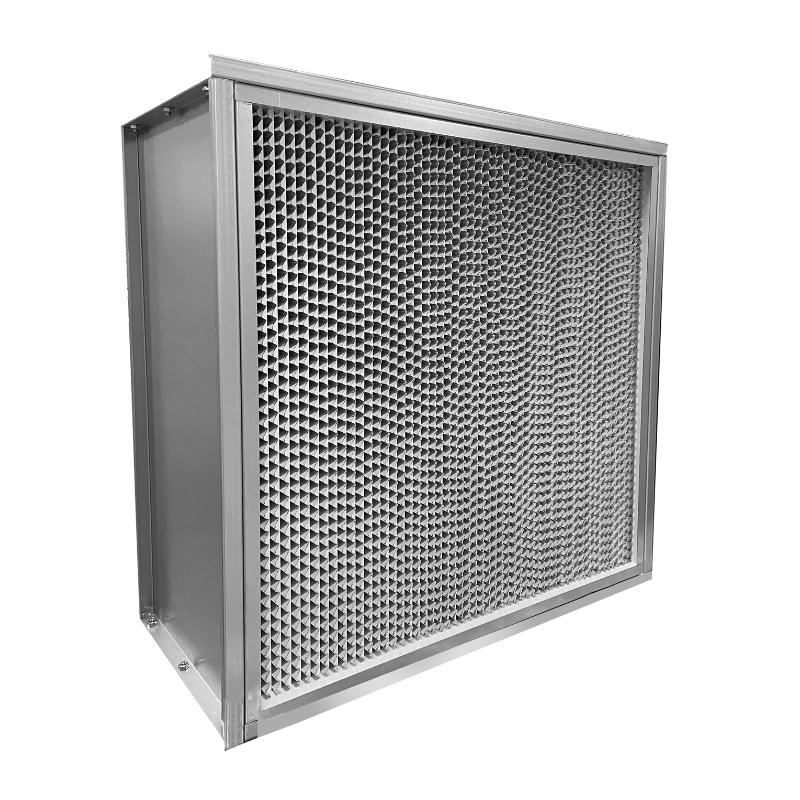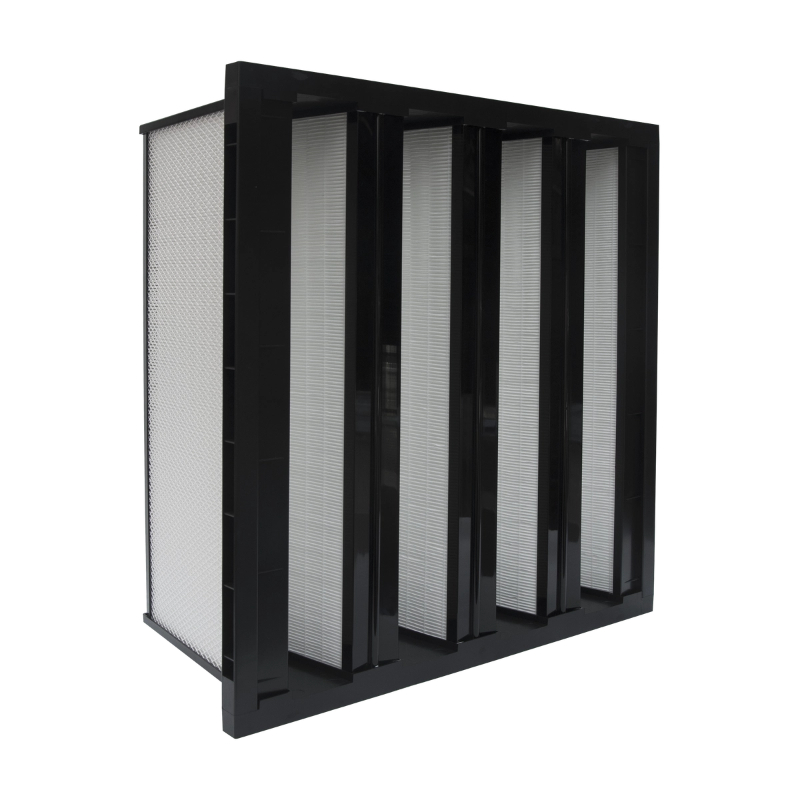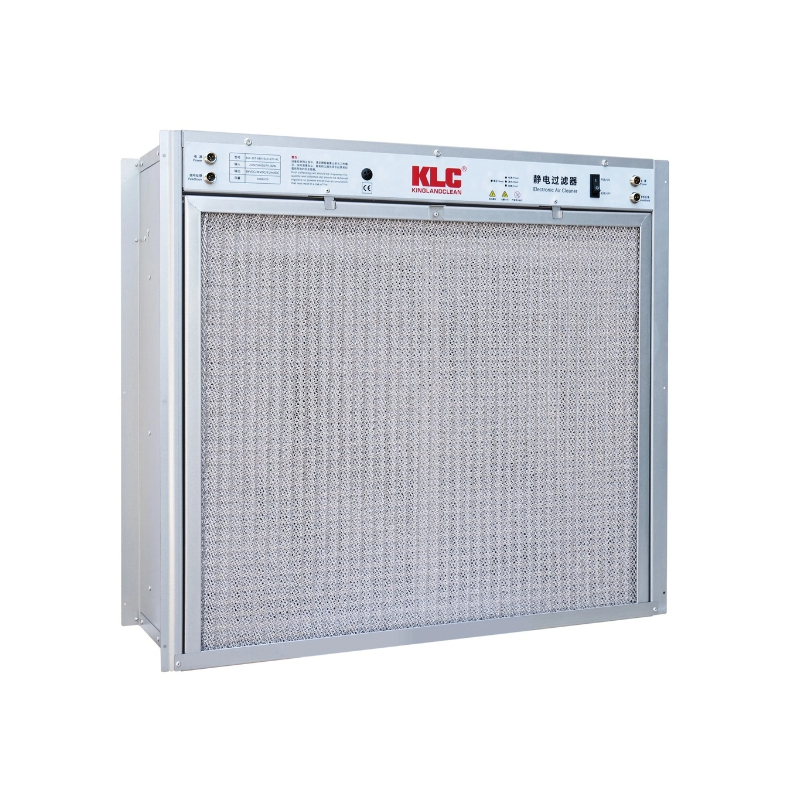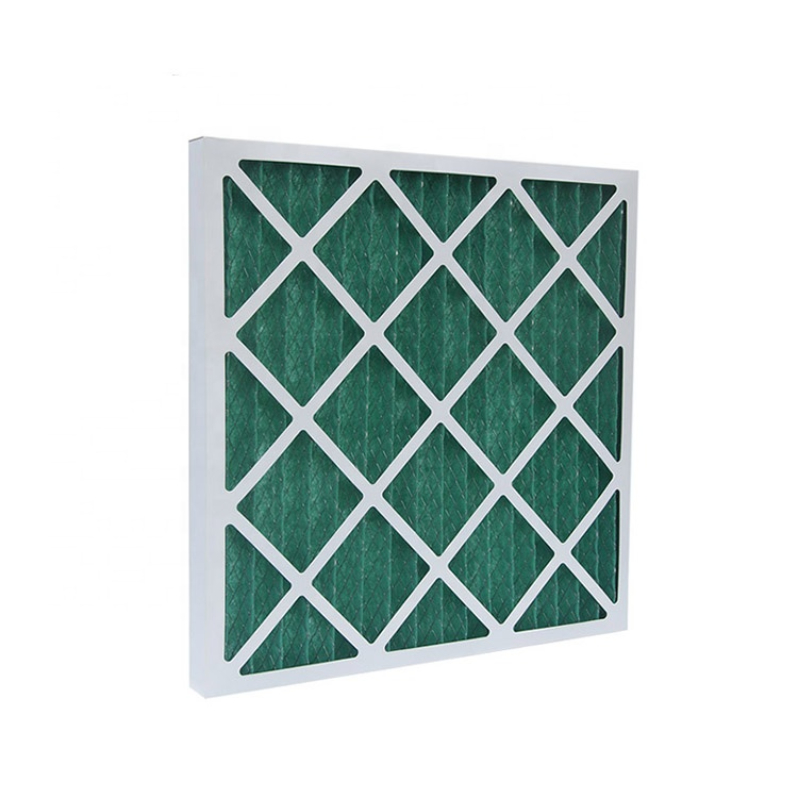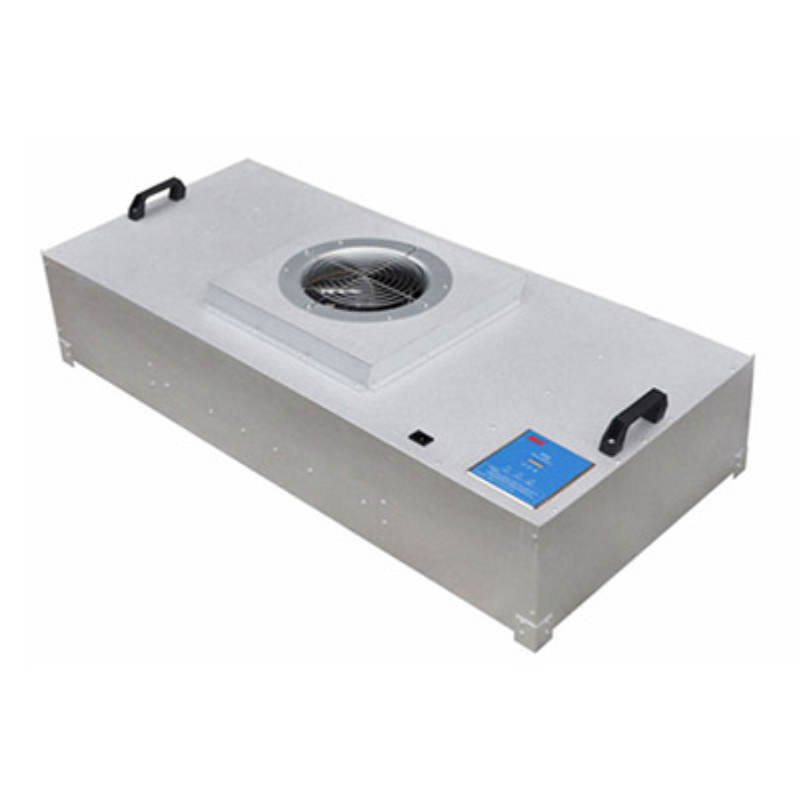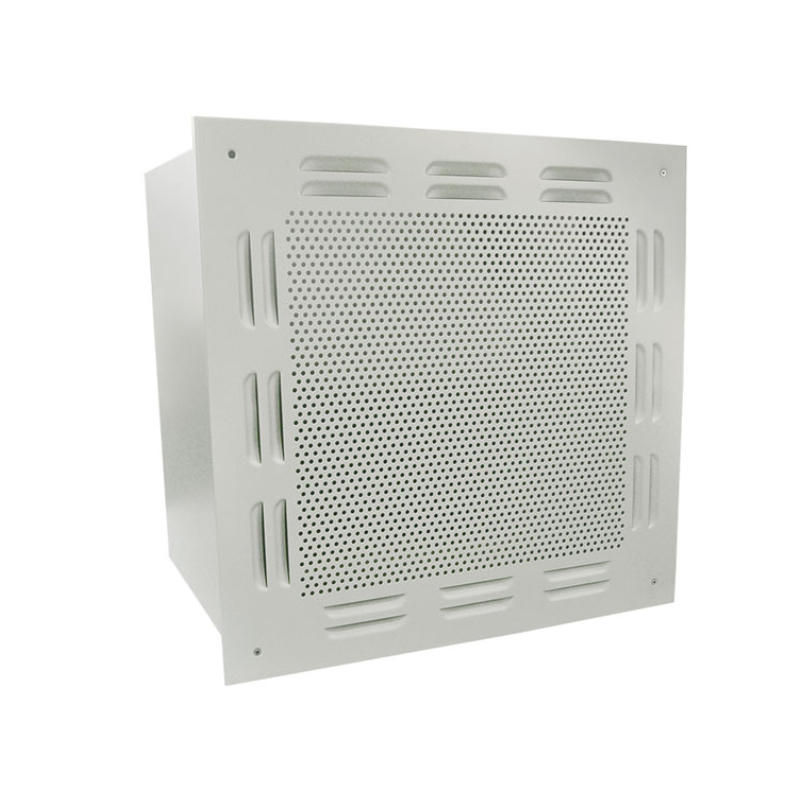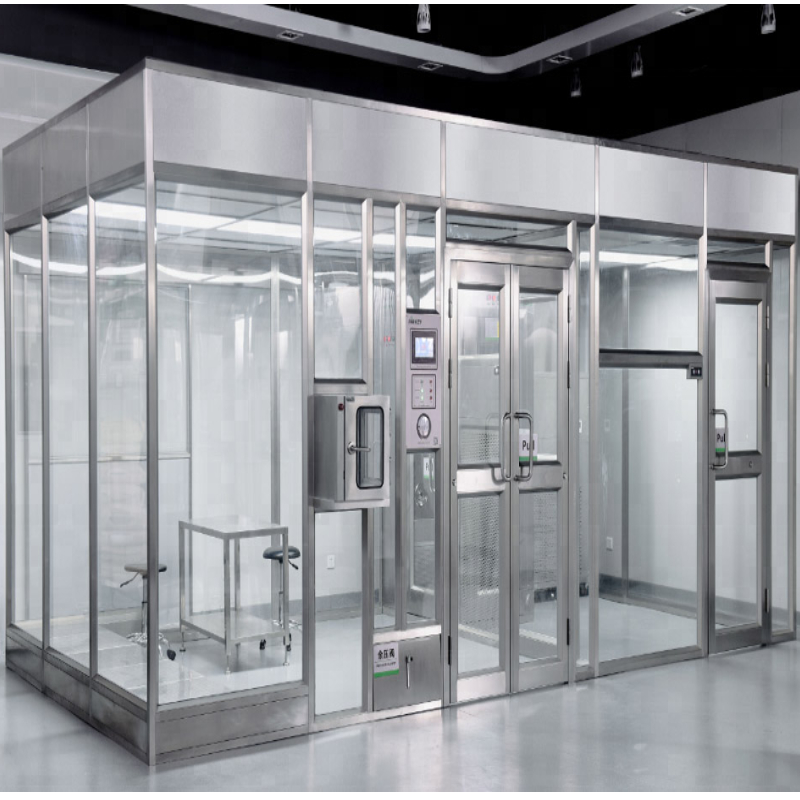
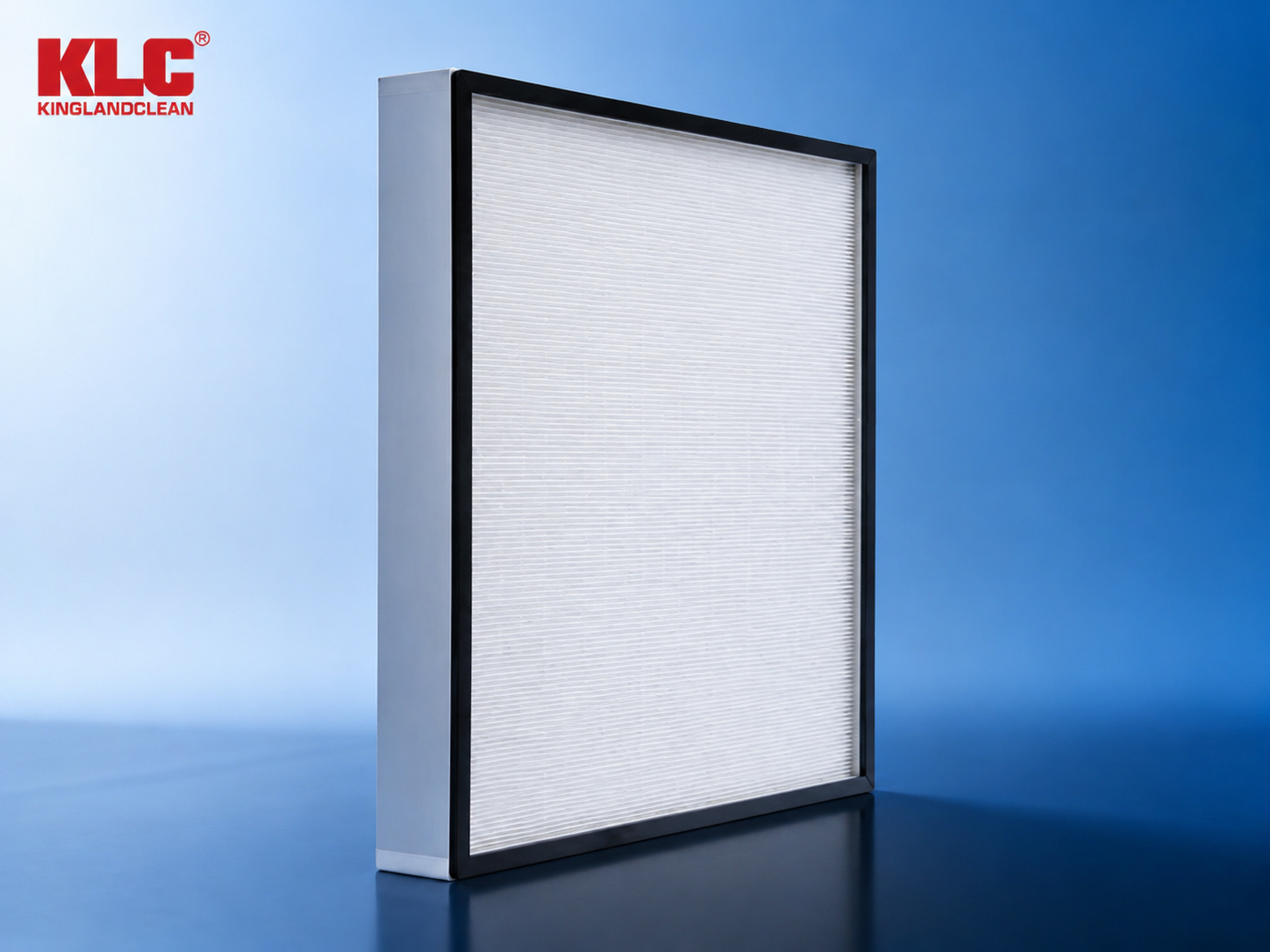
HEPA and ULPA filters are classified by their ability to capture particles at the Most Penetrating Particle Size (MPPS). While H13 (99.95%) is the standard for hospitals, H14 (99.995%) is the benchmark for pharmaceutical cleanrooms, and U15/U16 are reserved for high-end semiconductor fabrication.
Understanding the nuances of filter efficiency is essential for engineers and facility managers. The EN 1822 standard is the global authority on this classification.
EN 1822 Efficiency Classification Table
This data is the foundation of cleanroom design. KLC filters are tested strictly against these parameters.
|
Filter Class |
Overall Efficiency (at MPPS) |
Local Efficiency (at MPPS) |
Typical Application |
|
H13 (HEPA) |
≥ 99.95% |
≥ 99.75% |
Pharma HVAC, Hospital OR, Food Industry |
|
H14 (HEPA) |
≥ 99.995% |
≥ 99.975% |
ISO 5 Cleanrooms, Biosafety Cabinets |
|
U15 (ULPA) |
≥ 99.9995% |
≥ 99.9975% |
Semiconductor ISO 4, Research Labs |
|
U16 (ULPA) |
≥ 99.99995% |
≥ 99.99975% |
Semiconductor ISO 3, Nanotechnology |
What is MPPS? (The Secret to Efficiency)
Many manufacturers claim "99.99% efficiency," but the critical question is: at what particle size? The Most Penetrating Particle Size (MPPS) is typically between 0.1μm and 0.3μm. Particles smaller than this are caught by Brownian motion, and larger ones by interception or impaction. The MPPS is the hardest particle to catch. EN 1822 requires testing specifically at this size.
H13 vs. H14: Which One Do You Need?
The jump from H13 to H14 seems small (0.045% difference), but it represents a 10x reduction in particle penetration.
Cost vs. Performance Trade-off
|
Requirement |
H13 HEPA |
H14 HEPA |
U15/U16 ULPA |
|
Relative Cost |
1.0x (Baseline) |
1.2x – 1.5x |
2.5x – 4.0x |
|
Pressure Drop |
Moderate |
Higher |
Highest |
|
Energy Impact |
Standard |
+15% Energy |
+30-50% Energy |
FAQ: Frequently Asked Questions
1. What is the difference between H13 and H14 HEPA filters?
H13 captures 99.95% of particles, while H14 captures 99.995%. This means H14 allows 10 times fewer particles to pass through than H13.
2. Is H14 better than H13?
Technically, yes, it provides higher air purity. However, H14 has a higher pressure drop, meaning your fans must work harder, increasing energy costs.
3. What does MPPS mean in HEPA filter testing?
MPPS stands for Most Penetrating Particle Size. It is the specific particle size that is most likely to pass through a filter (usually around 0.1 to 0.2 microns).
4. Which HEPA class do I need for a pharmaceutical cleanroom?
Most sterile pharmaceutical environments (Grade A and B) require H14 filters as the terminal filtration stage.
5. What HEPA class is required for semiconductor fabrication?
For ISO 3 or ISO 4 zones, ULPA filters (U15 or U16) are typically required to eliminate the smallest possible contaminants.
6. How is HEPA efficiency tested according to EN 1822?
The test involves using an aerosol (like DEHS or PAO) and counting particles upstream and downstream of the filter at the MPPS using a particle counter.
7. What is the difference between EN 1822 and ISO 29463?
ISO 29463 was derived from EN 1822 and is now the international standard. They are technically equivalent in their classification of H13-U17.
8. Can I upgrade from H13 to H14 in an existing system?
Only if your AHU fan has enough static pressure capacity to handle the increased resistance of the H14 media.
9. Does a higher HEPA class always mean better air quality?
Only if the system is leak-free. A poorly installed H14 filter with a bypass leak is less effective than a properly sealed H13 filter.
10. What is the price difference between H13 and H14 HEPA filters?
Typically, H14 filters are 20% to 50% more expensive than H13 due to the denser glass fiber media used.
Maximize your cleanroom's ROI. Browse KLC’s High-Efficiency HEPA & ULPA Filters or Download our EN 1822 Compliance Guide.



 IPv6 network supported