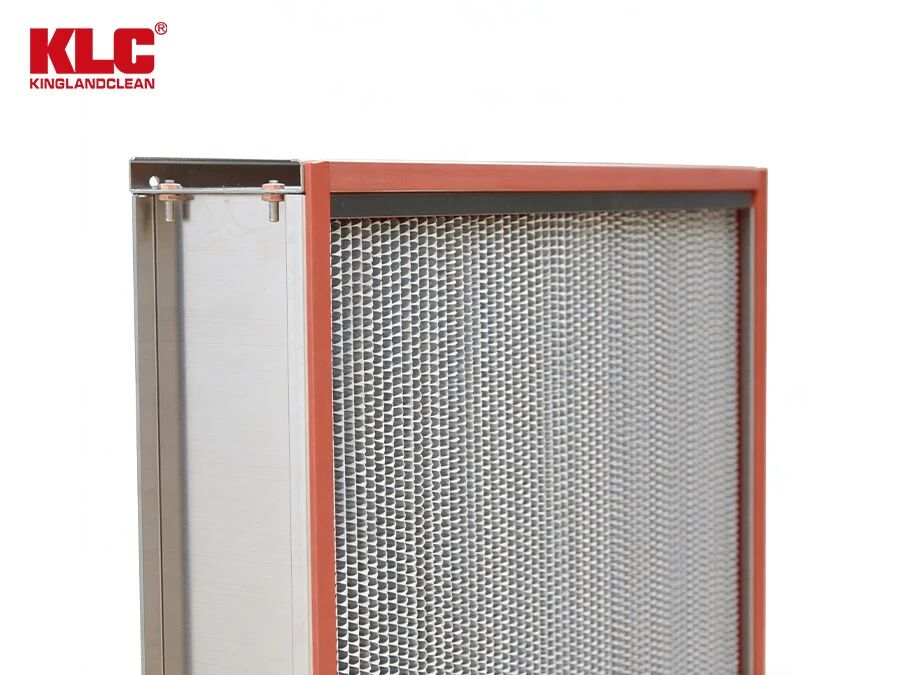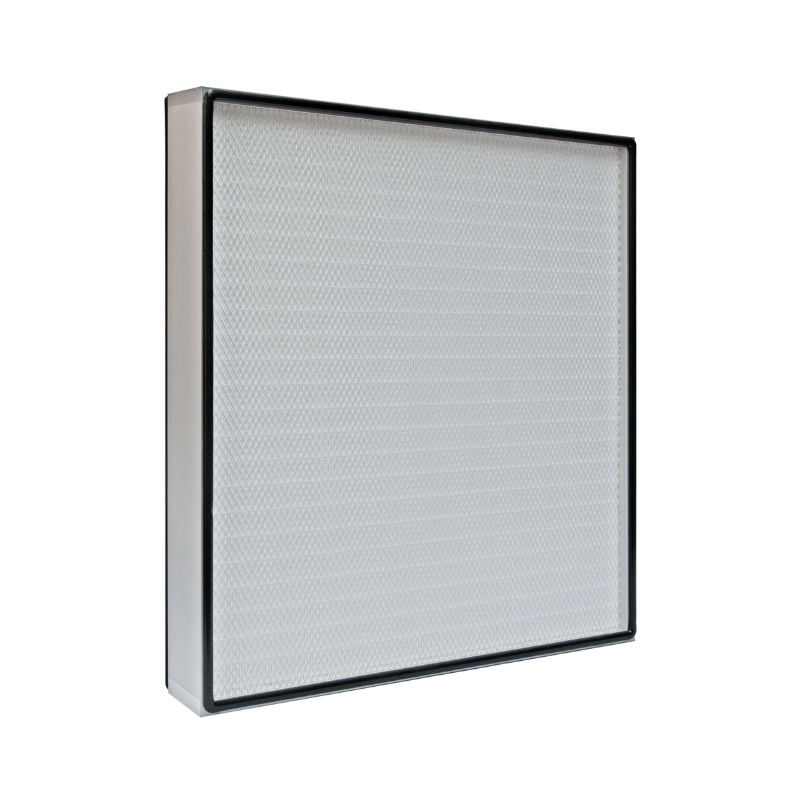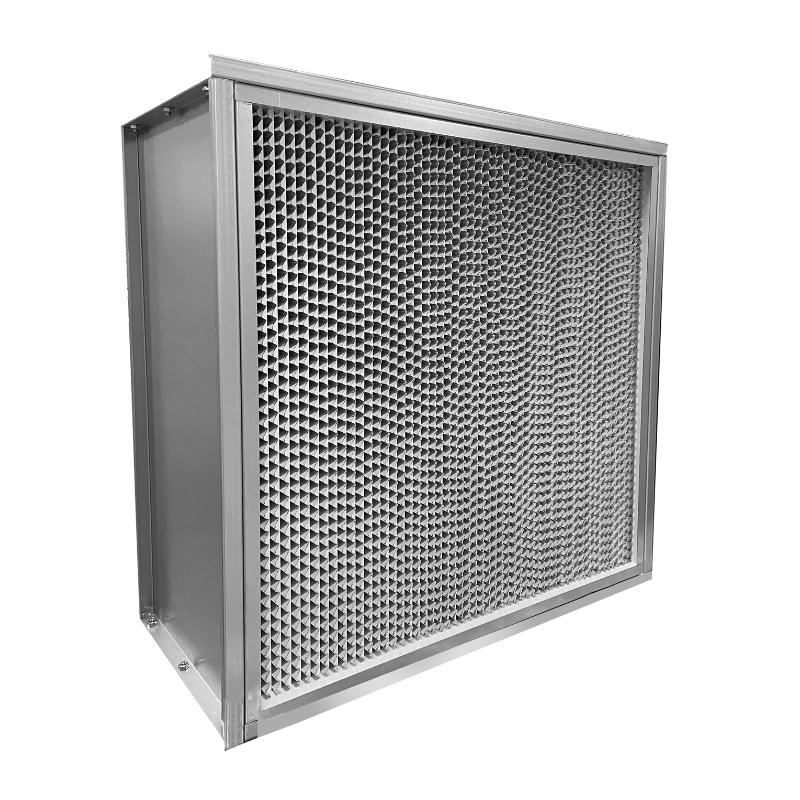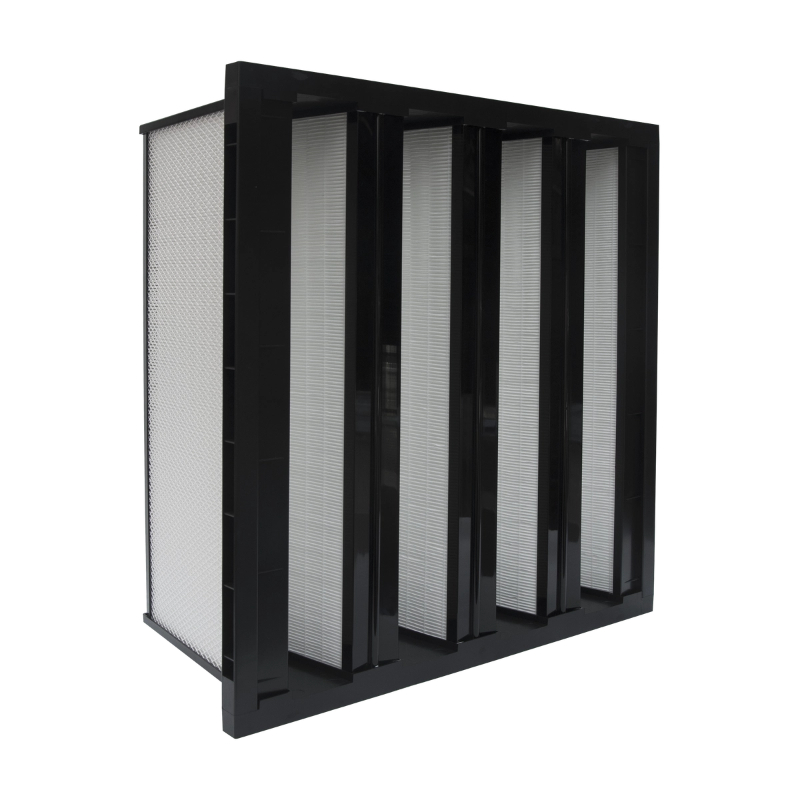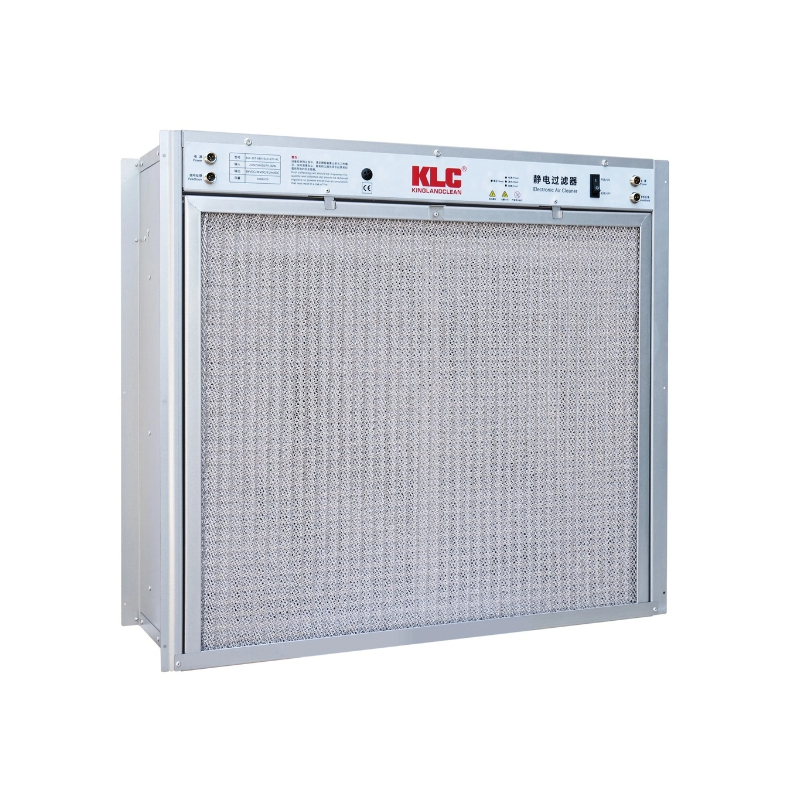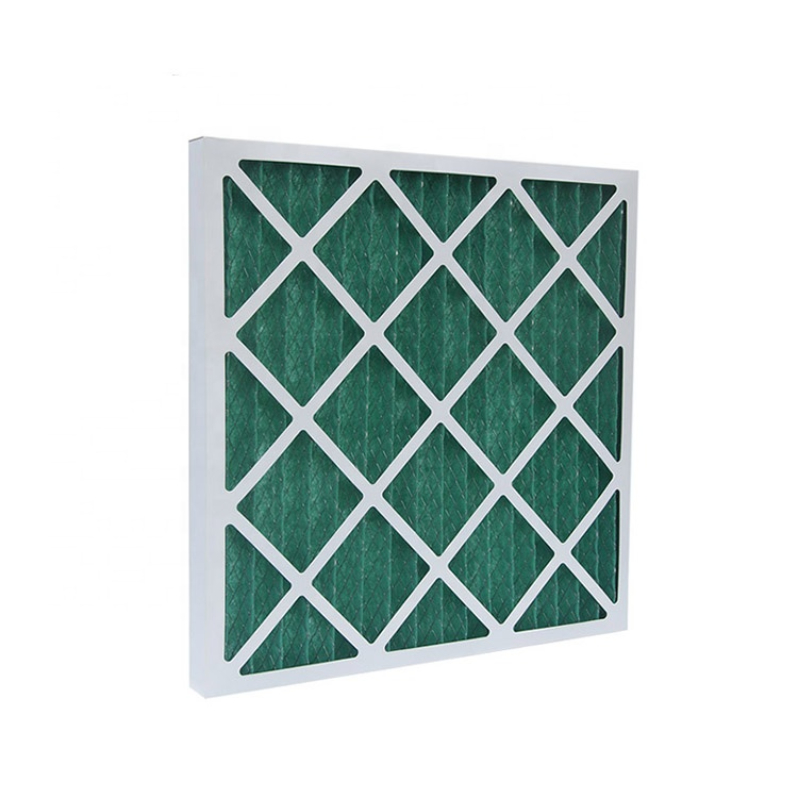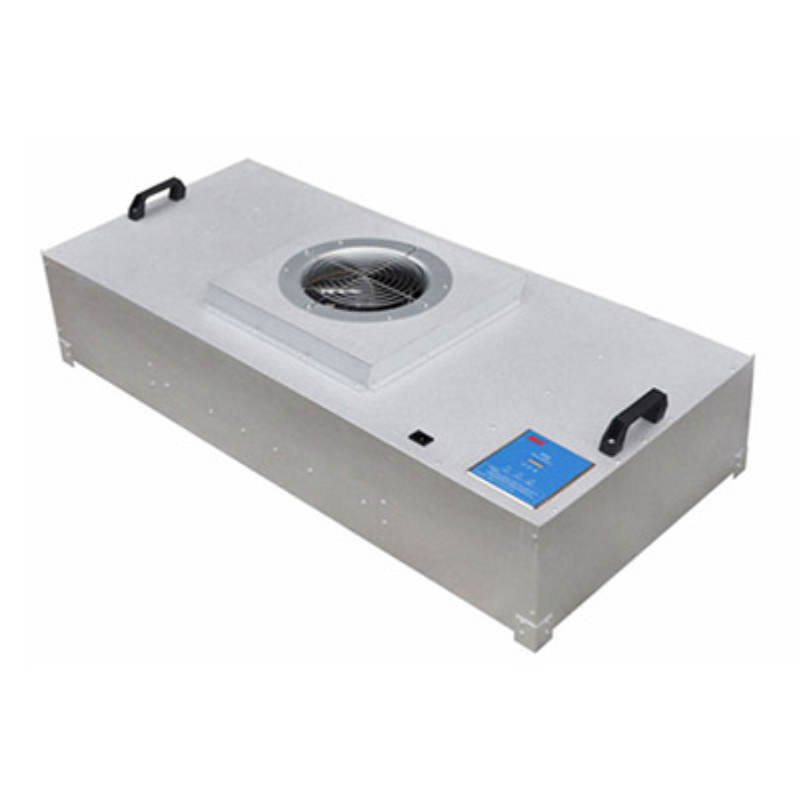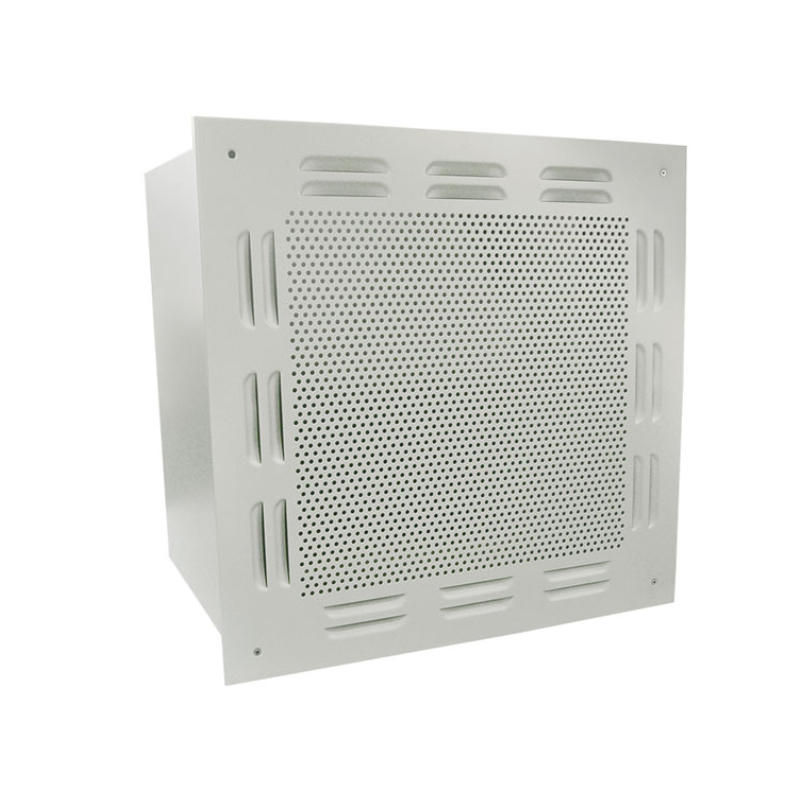
Choosing the right HEPA filter grade requires balancing efficiency with operational cost. While H13 and H14 filters capture up to 99.995% of particles at MPPS, U15 and U16 ULPA filters reach 99.99995%, making them critical for semiconductor fabs but needlessly expensive for general industrial HVAC.
This ultimate B2B buyer’s guide explains the EN 1822 standard efficiency classes of H13, H14, U15, and U16 filters. It is designed to help procurement officers, facility directors, and cleanroom engineers compare performance, assess energy impacts, and select the correct filter grades without over-specifying.
Understanding the EN 1822 Standard and MPPS
High-Efficiency Particulate Air (HEPA) and Ultra-Low Penetration Air (ULPA) filters are classified under the European EN 1822 standard, which is also the basis for the international ISO 29463 standard. Unlike basic HVAC filters, which are tested using dust-spot efficiency or synthetic dust loads, HEPA and ULPA filters are evaluated based on their performance against the Most Penetrating Particle Size (MPPS).
The physics of air filtration dictate that particles of different sizes are captured by different physical mechanisms:
• Inertial Impaction and Interception: Capture larger particles (greater than 0.5 microns) that cannot navigate the tortuous path around the filter fibers.
• Brownian Diffusion: Captures very small particles (smaller than 0.1 microns) that wander randomly due to molecular collisions, making them highly likely to strike a fiber.
• The Gap (MPPS): Between these two size ranges—typically between 0.1 and 0.25 microns—neither mechanism is perfectly efficient. This specific range is the Most Penetrating Particle Size. Because this is the hardest size to capture, EN 1822 requires filters to be tested at their exact MPPS. If a filter can successfully block 99.995% of particles at its MPPS, it is guaranteed to capture larger and smaller particles with even higher efficiency.
EN 1822 Filter Classification Table
|
Filter Group |
Filter Class |
MPPS Overall Efficiency (%) |
MPPS Overall Penetration (%) |
MPPS Local Efficiency (%) |
MPPS Local Penetration (%) |
|
HEPA |
H13 |
≥ 99.95% |
≤ 0.05% |
≥ 99.75% |
≤ 0.25% |
|
HEPA |
H14 |
≥ 99.995% |
≤ 0.005% |
≥ 99.975% |
≤ 0.025% |
|
ULPA |
U15 |
≥ 99.9995% |
≤ 0.0005% |
≥ 99.9975% |
≤ 0.0025% |
|
ULPA |
U16 |
≥ 99.99995% |
≤ 0.00005% |
≥ 99.99975% |
≤ 0.00025% |
Note: “Overall” refers to the average efficiency across the entire filter face, while “Local” refers to the efficiency measured at any single spot (leak-point) during automated scanning.
Sourcing Sourcing and Supplier Selection
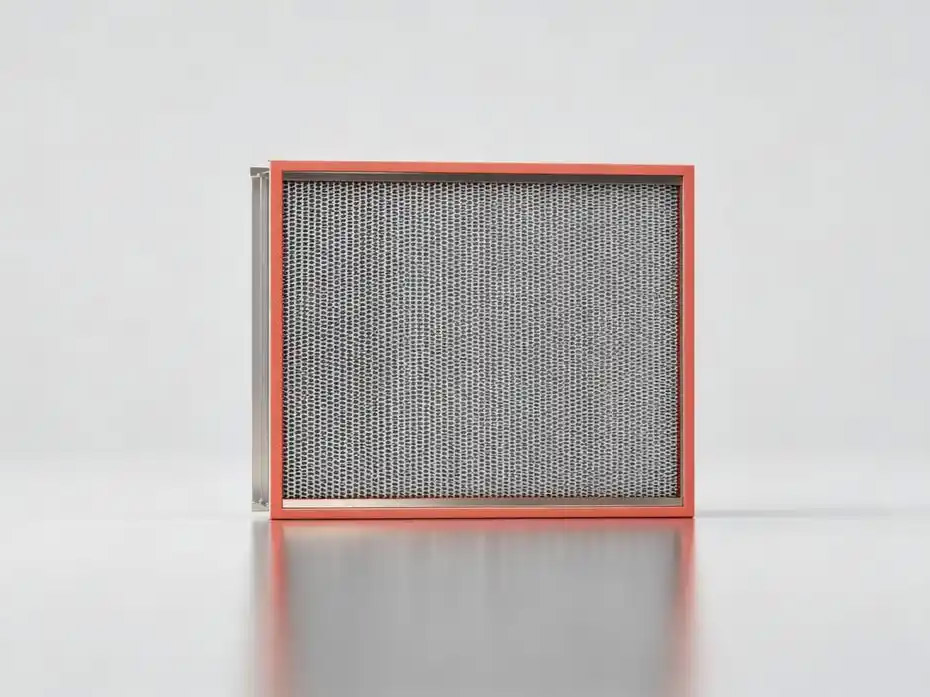
When purchasing cleanroom filters, B2B buyers must partner with manufacturers that offer the entire spectrum of HEPA and ULPA grades, from H13 mini-pleat filters to U16 high-efficiency panels. Working with a comprehensive supplier ensures that you can source the exact grade required for different sections of your facility under a single purchase contract.
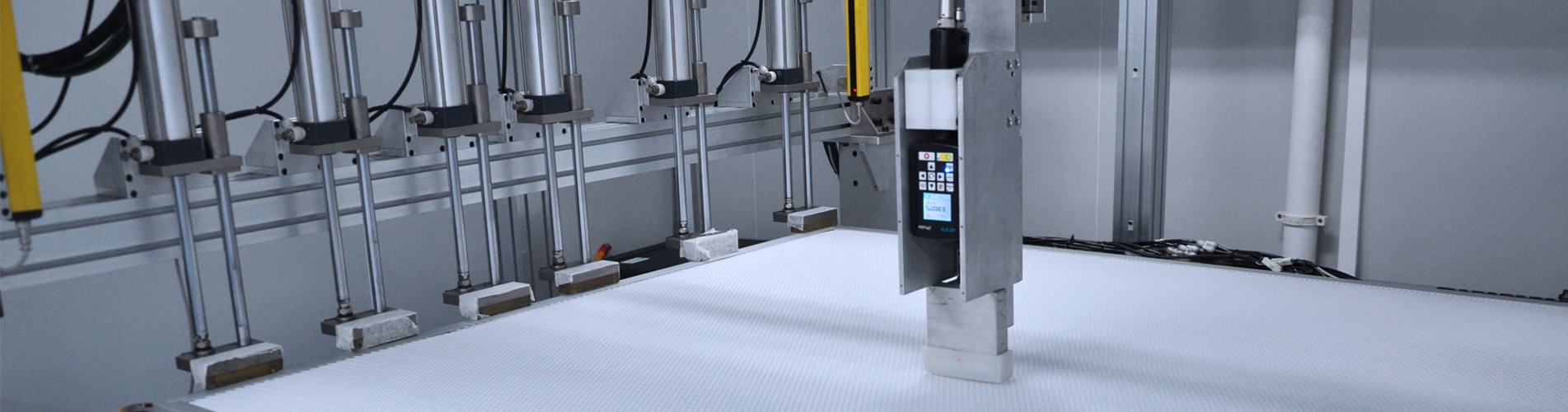
A trusted supplier like KLC provides fully certified H13, H14, U15, and U16 filters. To guarantee zero-bypass leakage, KLC performs 100% factory leak testing on automated scanning oil-mist test rigs in full compliance with EN 1822. Every filter is shipped with an individual serialized test report documenting its exact initial resistance, face velocity, and overall/local efficiency, providing complete audit traceability.
The Cost Penalty of Over-Specifying
One of the most common mistakes made by procurement managers is “over-specifying”—purchasing a higher filter class than the process actually requires. For example, buying a U15 ULPA filter for an ISO Class 7 workspace. This over-specification introduces a severe long-term financial penalty:
1. Capital Expense (CapEx) Penalty: A U15 ULPA filter of identical dimensions can cost 50% to 100% more than an H13 HEPA filter. For large facilities requiring hundreds of filter modules, this difference can represent tens of thousands of dollars in wasted capital budget.
2. Energy Expense (OpEx) Penalty: Higher efficiency requires denser glass-fiber paper with finer fibers. This significantly increases the filter’s initial resistance (pressure drop). An H13 HEPA filter typically has an initial pressure drop of 110–130 Pa, while a U15 has a pressure drop of 150–200 Pa. To push the same volume of air through a denser U15 filter, the AHU fans must work harder and consume significantly more electricity.
3. Lifespan and Replacement Penalty: Denser filters clog faster. Without expensive multi-stage pre-filtration (such as G4 + F9), high-grade ULPA filters will reach their terminal resistance much faster than HEPA filters, leading to shorter replacement cycles and higher labor and disposal costs.
Industry Selection Advice
To select the correct filter grade without overspending, refer to this industry decision matrix based on cleanroom class and application requirements:
Filter Grade Selection Table by Industry and ISO Class
|
Industry / Application |
Target ISO Class |
Recommended Filter Grade |
Alternative Option |
Primary Contaminant Target |
|
Commercial HVAC / Offices |
Non-classified |
MERV 14 / ePM1 80% |
H13 (Only for specialized medical/clean zones) |
Pollen, coarse dust, atmospheric aerosols |
|
Food Processing / Sterile Packaging |
ISO 7 or 8 |
H13 HEPA |
H14 (For high-risk raw zones) |
Mold spores, airborne yeast, bacteria |
|
Hospital Operating Theatres |
ISO 6 or 7 |
H14 HEPA |
H13 HEPA |
Pathogens, bacteria, surgical smoke |
|
Pharma Aseptic Processing (Grade A) |
ISO 5 |
H14 HEPA |
U15 ULPA |
Bacteria, active dust, microscopic spores |
|
Semiconductor Fabrication |
ISO 3 or 4 |
U16 ULPA |
U15 ULPA |
Sub-micron silicon debris, fine airborne ions |
|
Optical Lens Manufacturing |
ISO 5 or 6 |
H14 HEPA |
U15 ULPA |
Fine glass fragments, micro-particulates |
Frequently Asked Questions
What is the primary difference between a HEPA filter (H13/H14) and an ULPA filter (U15/U16)?
The primary difference is the efficiency and the size of particles they are rated to capture. HEPA filters (H13 and H14) are rated to capture at least 99.95% and 99.995% of particles at their Most Penetrating Particle Size (MPPS, typically 0.3 microns). ULPA filters (U15 and U16) are denser, capturing at least 99.9995% and 99.99995% of particles at a smaller MPPS (typically 0.12 microns).
What does “Most Penetrating Particle Size” (MPPS) mean, and why is it important?
The MPPS represents the particle size that is hardest for an air filter to capture—typically between 0.1 and 0.25 microns. Particles larger than this are easily caught by inertial impaction, while smaller particles are easily caught by Brownian diffusion. Because the MPPS represents the filter’s weakest point, the EN 1822 standard requires efficiency to be measured at this size to ensure a worst-case performance guarantee.
How does pressure drop affect the long-term cost of a HEPA filter?
Pressure drop (resistance) directly determines the electrical energy required by fans to maintain cleanroom airflow. A higher initial pressure drop (e.g., 200 Pa for U15 vs 120 Pa for H13) forces fan motors to run at higher speeds. Over a filter’s 3-to-5-year lifespan, the cumulative cost of this extra electricity can exceed the purchase price of the filter itself.
Can I replace an H13 filter with an H14 filter in an existing FFU?
Yes, in most cases, you can physically replace an H13 with an H14 filter since their dimensions are identical. However, the H14 filter has a higher initial pressure drop. You must ensure that the Fan Filter Unit (FFU) motor has sufficient static pressure capacity to maintain the required face velocity (0.45 m/s) with the denser filter installed.
What is the difference between overall efficiency and local efficiency in the EN 1822 standard?
Overall efficiency is the average capture rate measured across the entire face of the filter. Local efficiency is the capture rate measured at any single point during an automated probe scan. For example, an H14 filter must have an overall efficiency of ≥99.995%, and its local efficiency cannot drop below 99.975% at any point, ensuring no pinhole leaks exist.
Why do semiconductor cleanrooms require ULPA (U15/U16) filters?
Semiconductor cleanrooms operate at ISO Class 1 to 4 levels, where even a single particle larger than 0.1 microns can land on a silicon wafer and short-circuit microscopic transistor circuits. HEPA filters are insufficient because they allow a small percentage of sub-0.3-micron particles to pass. ULPA filters are mandatory to capture these sub-micron particles and ensure high wafer yields.
How does face velocity affect the efficiency and life of HEPA filters?
The standard face velocity for testing and operating HEPA filters is 0.45 m/s (90 fpm). Increasing the face velocity beyond this limit forces particles through the media faster, reducing the contact time for Brownian diffusion and lowering filter efficiency. It also significantly increases the pressure drop, shortening the filter’s operational lifespan.
How do I test HEPA filter efficiency and leaks after installation?
Installed HEPA filters are tested using an aerosol photometer or discrete particle counter in accordance with ISO 14644-3. Technicians release a challenge aerosol (such as PAO or DOP) upstream of the filter, then scan the downstream face and seal frame with a probe. Any concentration reading exceeding 0.01% of the upstream challenge indicates a leak that must be sealed.
What is the expected lifespan of an H14 HEPA filter in a pharmaceutical cleanroom?
The expected lifespan of an H14 HEPA filter in a cleanroom is typically 3 to 5 years, provided that multi-stage pre-filtration is strictly maintained. Pre-filters (such as G4 and F9) must be replaced every 3 to 6 months to capture coarse dust. If pre-filters are neglected, the main HEPA filter will clog within 12 to 18 months.
Can HEPA and ULPA filters be cleaned or washed to restore efficiency?
No, standard HEPA and ULPA filters are made from delicate, ultra-fine borosilicate glass-fiber paper that is held together by organic binders. Washing or spraying these filters with water, solvents, or compressed air will tear the fibers, dissolve the binders, and create pinhole leaks, completely destroying their filtration capability and voiding their certification.
Conclusion and Recommendations
Selecting the correct HEPA or ULPA filter grade requires a careful balance of cleanliness requirements, initial investment, and long-term energy costs. For most general pharmaceutical and sterile industrial applications, H14 HEPA filters provide excellent protection without the high pressure-drop penalty of ULPA filters. ULPA filters should be reserved for critical semiconductor and nanotechnology zones.
To ensure your facility selects the most efficient and cost-effective filtration configuration, always consult with a certified manufacturer that offers independent third-party test reports. Discover KLC’s full range of certified HEPA and ULPA filtration systems by visiting KLC International Cleanroom Systems



 IPv6 network supported