Technical Principle: Corona Discharge and Electrostatic Deposition
The industrial electrostatic precipitator (ESP) filter operates on the principles of electrophysics rather than physical barrier filtration. Traditional filters, such as glass fiber HEPA filters, physically intercept particles within a dense web of fibers. This increases resistance (pressure drop) as the filter loads. In contrast, an ESP filter charges passing particles and pulls them out of the airstream using electrostatic forces. The filtration cycle occurs in three distinct phases:
1. Corona Discharge & Ionization: The process begins in the ionizing stage of the ESP cell. High-strength ionizing wires, typically energized by a high-voltage direct current (HVDC) power source at 12kV to 15kV, generate an intense electric field. This high electric gradient accelerates free electrons, ionizing passing air molecules and generating a dense corona discharge. As airborne particles (such as grease droplets, dust, or smoke) pass through this zone, they collide with ionized gas molecules and acquire a strong positive electrostatic charge.
2. Particle Collection: The charged particles then travel immediately into the collector stage. This stage consists of a series of closely spaced, parallel metal plates. Alternating plates are energized with a lower positive DC voltage (usually 6kV to 7.5kV), while the adjacent plates are grounded. The resulting electrostatic field repels the positively charged particles away from the active plates and attracts them to the grounded collection plates.
3. Adhesion and Deposition: Once the particles make contact with the grounded collection plates, they lose their charge and adhere to the metal surface. For dry dust, adhesion is aided by molecular forces (van der Waals forces). For wet oil mist or commercial kitchen grease, the accumulated liquid forms a cohesive film that drains naturally down the vertical plates into a collection tray.
Because there is no fibrous barrier obstructing the airflow, the initial resistance of an ESP filter is exceptionally low (typically around 50 Pa) and remains relatively stable even as particulates accumulate. This makes ESP filters an extremely energy-efficient choice for handling heavy particulate and sticky aerosol loads.
Application Scenes
Key application scenes include:
· Commercial Kitchen Fumes: High-temperature cooking vaporizes grease, creating sub-micron grease aerosols. Standard filters block immediately and create a severe fire hazard. ESP systems remove these aerosols, protecting ductwork and complying with emissions standards.
· Industrial Oil Mist and CNC Machining: Metalworking fluids and coolants volatilize during high-speed CNC milling and grinding, forming airborne oil mists. ESP systems recover these lubricants and keep the workshop air safe.
· Welding and Soldering Smoke: Metal welding generates fine, hazardous metallic oxide fumes. An ESP captures these sub-micron particles, ensuring a safe respiratory environment for technicians.
· Rubber and Plastics Manufacturing: Extrusion and curing lines emit heavy plasticizer smoke and vaporized paraffin, which are efficiently collected by industrial ESP units.
KLC Product Specifications
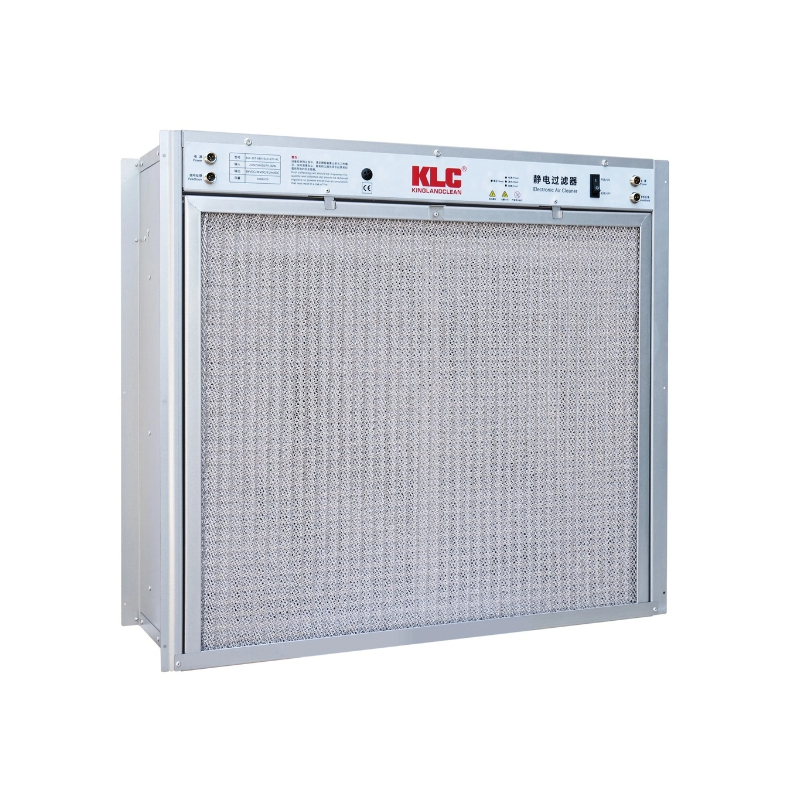
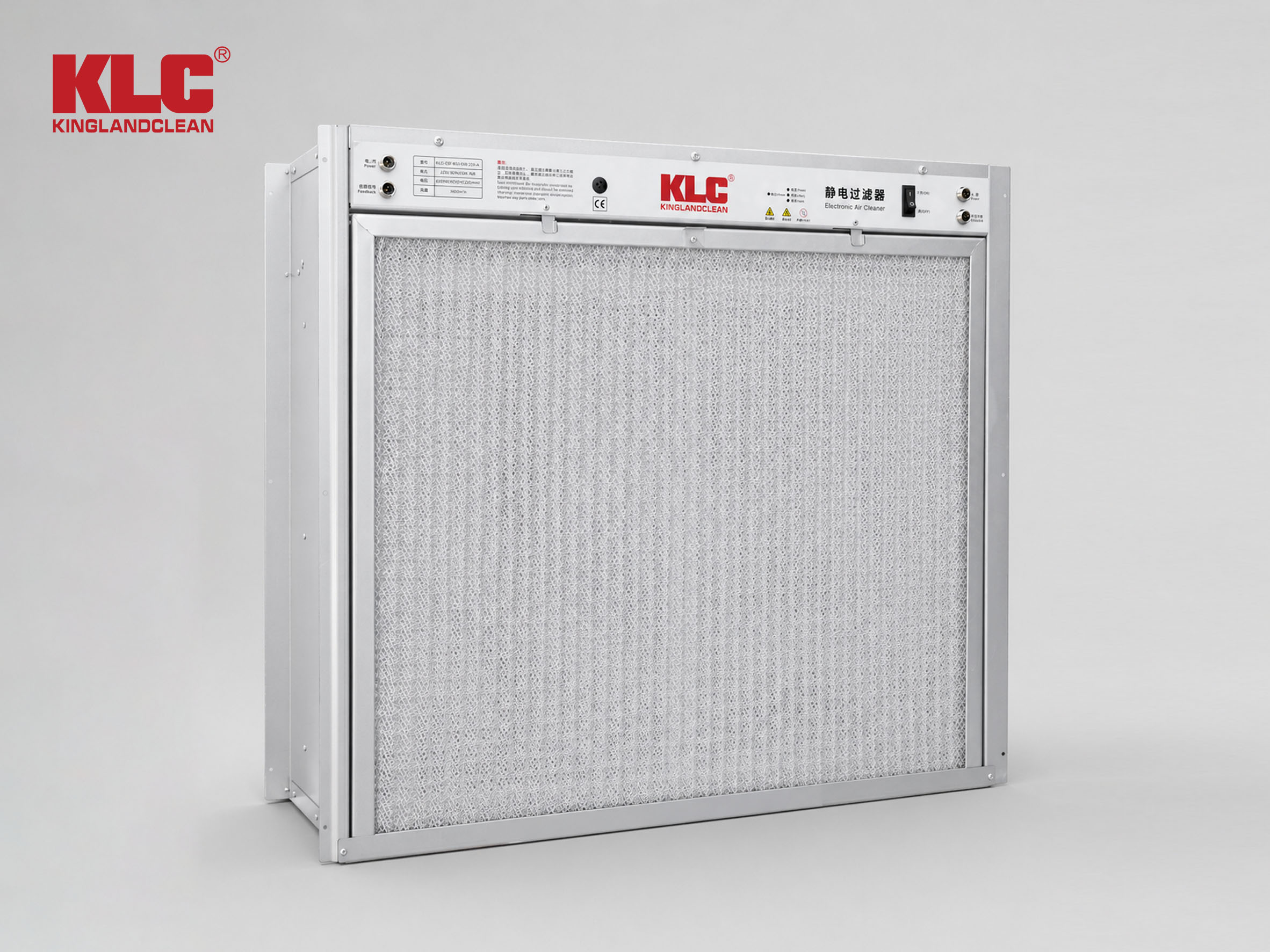
Their systems are engineered for industrial durability, utilizing heavy-gauge aluminum alloy plates with a standard spacing of 8mm to 10mm. This plate spacing balances high electric field strength with resistance to arcing caused by excessive particulate accumulation. KLC's dual-stage industrial units are powered by advanced solid-state, high-frequency power supplies. These power packs automatically adjust voltage output to suppress arcing and prevent short circuits. Operating at an ionizing voltage of 12kV and a collection voltage of 6kV, these systems achieve a single-pass extraction efficiency of ≥95% (tested under DOP standards for particles down to 0.3 microns) and exceed ≥99% efficiency in double-pass configurations. This performance is achieved at a nominal face velocity of 2.5 m/s with an initial pressure drop of only 5ou Pa, dramatically reducing fan power consumption compared to HEPA-based filtration under similar dust loads.
Comparison Table: ESP Filter vs. Traditional HEPA Filter
|
Parameter / Feature |
Industrial Electrostatic Precipitator (ESP) |
Traditional HEPA Filter (e.g., H13/H14) |
|
Primary Capture Mechanism |
Electrostatic charging and plate deposition |
Mechanical sieving, interception, and diffusion |
|
Initial Resistance |
Very low (50–80 Pa) |
Moderate to high (150–250 Pa) |
|
Lifespan & Media Cost |
Washable; lasts up to 10 years (zero media replacement) |
Non-washable; replaced every 6–24 months (high cost) |
|
Ideal Contaminants |
Wet grease, oil mist, sticky exhaust, workshop smoke |
Dry, non-greasy airborne particulates and microorganisms |
|
Efficiency on Sub-micron Particles |
95%–99% (highly velocity-dependent) |
99.95%–99.995% (highly stable and independent of velocity) |
|
Maintenance Profile |
Regular chemical wash/dry cycles (1–3 months) |
Complete module replacement when terminal resistance is reached |
|
Fire Hazard Mitigation |
Captures grease, but arcing can occur if unmaintained |
Accumulates dry dust; high pressure drop increases risk if heated |
|
Operating Cost (Energy/Filters) |
Low fan energy, low filter cost, moderate washing labor |
High fan energy, high recurring filter purchase costs |
Selection and Maintenance Advice
Selection Advice
1. Volumetric Airflow Velocity: The face velocity through the ESP cells should not exceed 2.5 m/s. High velocities reduce the residence time of particles within the ionizing and collecting zones, leading to incomplete charging and a drop in efficiency.
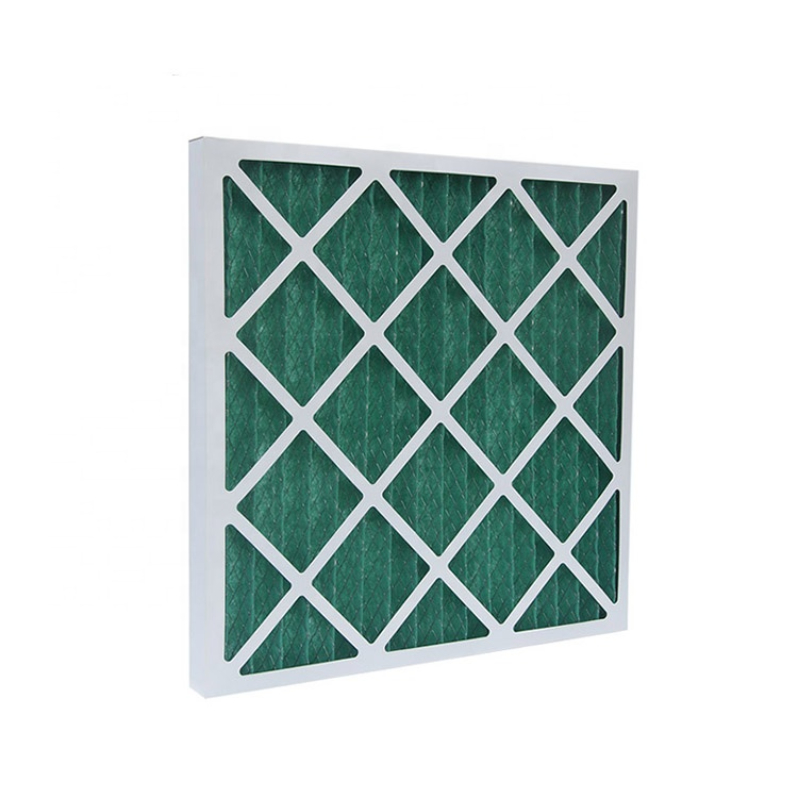
2. Pre-Filtration Needs: For dusty environments, always install a mechanical pre-filter (such as a washable metal mesh or G4 pleated filter) upstream of the ESP. This captures large, coarse fibers and insects that would otherwise short-circuit the high-voltage cells.
3. Materials of Construction: Select high-grade aluminum alloy cells for general applications, or stainless steel (SUS304) for highly corrosive or acidic environments.

Cleaning and Maintenance Steps
· Cleaning Cycle: Commercial kitchens and heavy machining shops require cell washing every 4 to 8 weeks. Light industrial smoke applications can extend this cycle to 12 weeks.
· Step 1: Power Off and Grounding: Shut down the system. Wait at least 5 minutes for the capacitors to discharge. Open the cabinet door and use a grounding stick to touch the ionized wires and plates, ensuring zero residual charge.
· Step 2: Cell Extraction: Carefully slide the ionizer and collector cells out of the tracks.
· Step 3: Soaking: Submerge the cells in a hot water bath (60°C to 70°C) mixed with a specialized biodegradable alkaline degreasing surfactant. Let them soak for 30 to 60 minutes to dissolve baked-on grease and carbon deposits.
· Step 4: Rinsing: Clean the cells using a low-pressure water washer. Avoid high-pressure jets, as they can bend the delicate collection plates or snap the tungsten ionizing wires.
· Step 5: Inspection and Realignment: Inspect the cells. Straighten any bent plates and replace any broken ionizing wires.
· Step 6: Complete Drying: Allow the cells to dry completely in a well-ventilated area for 24 hours. Placing wet cells back into the unit will trigger safety trips or damage the high-voltage power packs.
Frequently Asked Questions
1. How often should an industrial electrostatic precipitator filter be cleaned? The cleaning frequency of an industrial ESP filter depends entirely on the contaminant load of your process. For commercial kitchens and heavy machine tool workshops producing high volumes of oil mist and grease, cells should be cleaned every 4 to 6 weeks. For light manufacturing, electronic workshops, or commercial building exhaust where dry dust is the primary particulate, a maintenance interval of 12 weeks is standard. Allowing excessive buildup reduces collection efficiency and can trigger continuous electrical arcing.
2. What voltage is typically used in industrial ESP air cleaners? Industrial ESP air cleaners operate on high-voltage direct current (HVDC) split into two distinct stages. The ionizing section utilizes a very high voltage—typically 12kV to 15kV—to create a strong corona discharge that ionizes passing air molecules. The collection section uses a lower but still substantial voltage, usually 6kV to 7.5kV, to establish the electrostatic field required to attract the charged particulates to the grounded plates without causing dielectric breakdown of the air.
3. Can ESP filters remove gaseous odors and volatile organic compounds (VOCs)? No, standard ESP filters are designed to capture solid particulates, wet aerosols, oil mist, and grease droplets. They cannot capture individual gas-phase molecules such as VOCs, kitchen odors, or toxic fumes. To achieve comprehensive air purification, facilities must combine an ESP system with gas-adsorption filters, such as activated carbon beds or photo-catalytic oxidation (PCO) systems, which are placed downstream of the ESP.
4. Why do ESP filters produce a snapping or crackling sound during operation? A snapping or crackling sound, also known as "arcing", occurs when a high-voltage spark jumps across the air gap between an ionizing wire (or positive plate) and a grounded plate. Occasional snapping is normal, often caused by a large particle, insect, or water droplet passing through. However, continuous or rapid snapping indicates that the collector plates are overloaded with dirt, a plate is bent and too close to another, or the cell is damp, requiring immediate maintenance.
5. What is the difference between single-pass and double-pass ESP systems? A single-pass ESP contains one set of ionizer-collector cells. It typically achieves a particulate and grease extraction efficiency of 90% to 95%, which is sufficient for basic exhaust configurations. A double-pass ESP features two ionizer-collector cell modules arranged in series within the airflow path. This arrangement doubles the residence time of particulates in the electrostatic field, boosting extraction efficiency to 99% or higher, which is essential for sensitive urban areas.
6. Are washable electrostatic filters as efficient as HEPA filters for sub-micron particles? Washable ESP filters can achieve high efficiencies (95% to 99%) for fine particulates, including sub-micron smoke, under optimal conditions. However, their efficiency is highly sensitive to airflow velocity and maintenance. If the air speed is too high, particles pass through too quickly to be charged or captured. Traditional HEPA filters (H13/H14) maintain a stable, certified efficiency of 99.95% to 99.995% regardless of dirt buildup, but they suffer from high pressure drops and are non-washable.
7. What are the electrical safety risks associated with industrial ESP filters? Because ESP filters operate at high voltages (12kV+), they present electrical shock risks if safety protocols are ignored. Modern systems include safety interlocks that automatically cut off power when the access door is opened. However, the cells can retain static charge. Maintenance personnel must always turn off the system, wait several minutes, and use a grounding tool to discharge any residual electricity from the plates before removing the cells.
8. How does plate spacing affect the filtration efficiency and pressure drop of an ESP? Plate spacing is a critical design variable. Narrower plate spacing (e.g., 6mm to 8mm) allows for a more compact filter cell and a stronger electrostatic field at lower voltages, but it increases the risk of short-circuiting due to dirt bridges and is harder to clean. Wider spacing (10mm to 12mm) reduces the risk of arcing and handles high dust loads better, but requires higher voltages to maintain efficiency. In both cases, pressure drop remains extremely low because there is no dense filter media obstructing airflow.
9. Conclusion and Recommendations For B2B buyers looking to eliminate heavy grease, workshop smoke, or machining oil mist while minimizing energy expenses, an industrial ESP filter is the most cost-effective and sustainable solution. Unlike disposable media filters, its washable cells eliminate ongoing replacement costs, and its ultra-low pressure drop significantly lowers fan utility bills. To ensure long-term reliability and compliance with environmental regulations, it is highly recommended to partner with an established, vertically integrated supplier who holds accredited quality certifications.



 IPv6 network supported