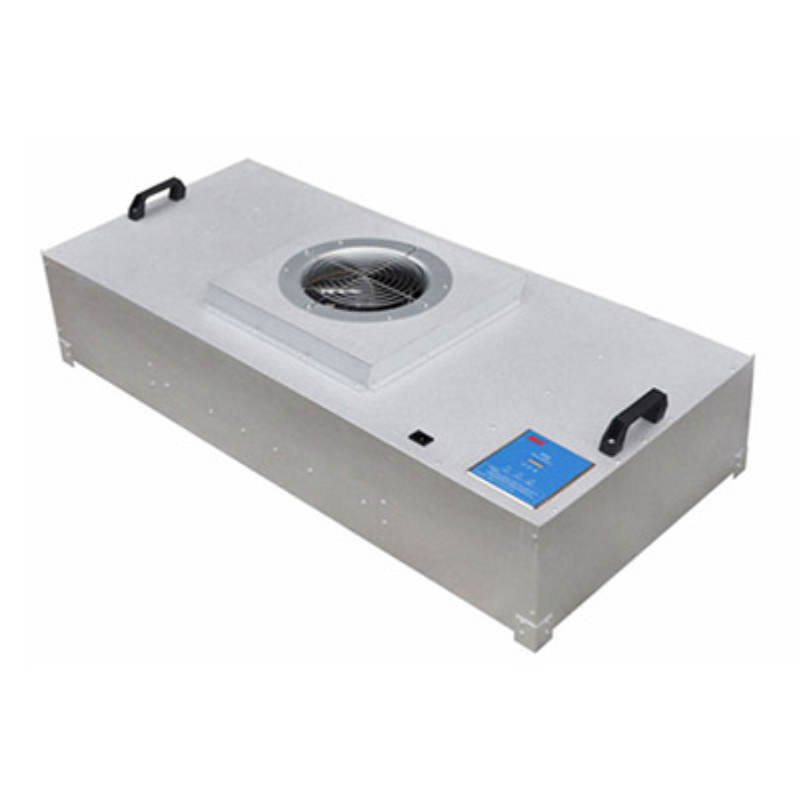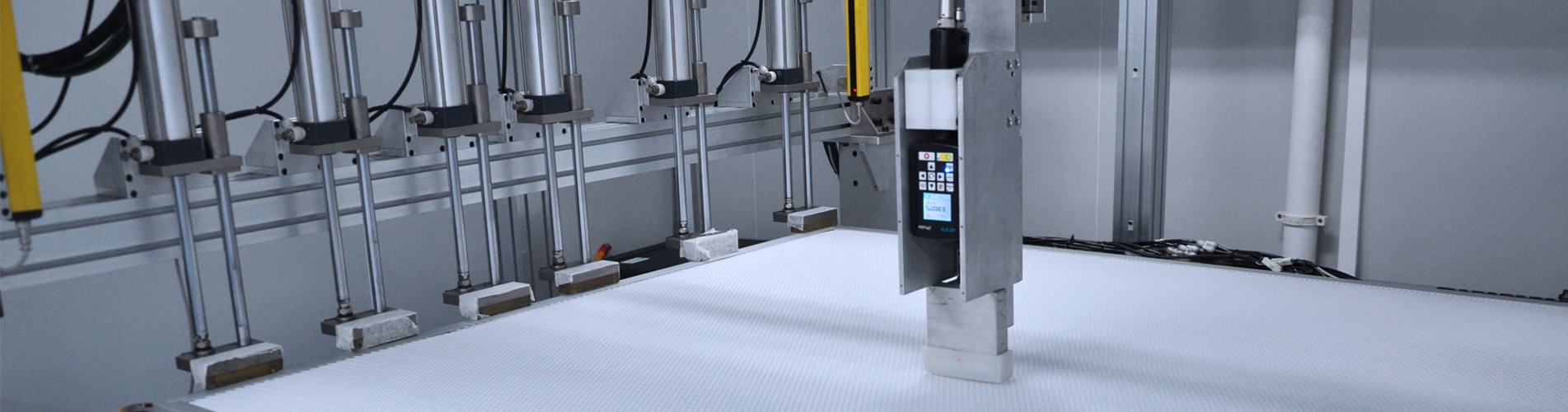
Cleanroom ceilings fully covered with FFUs (fan filter unit) can lead to significant noise accumulation, which interferes with instruments and affects prolonged work by personnel. KLC FFUs (fan filter unit) balance the rated airflow speed and noise control, incorporating multiple noise-reduction designs to ensure quiet operation even in fully covered ceilings.
How does the KLC FFU (fan filter unit) achieve 68 dB(A)?
Low-noise fan selection
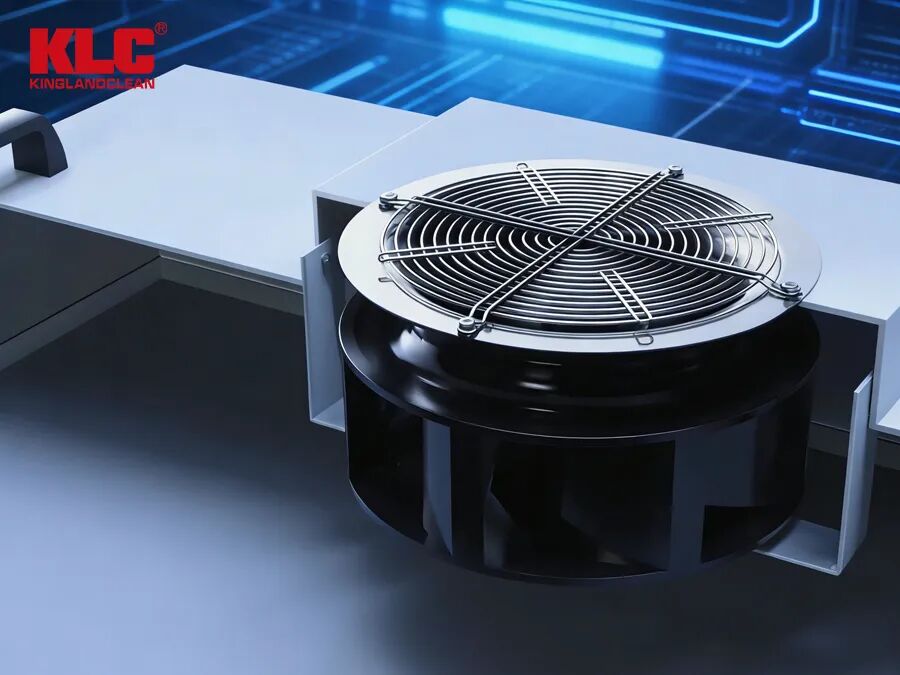
Abandoning ordinary motor solutions, imported high-volume, low-noise fans are used. This type of fan offers a more balanced performance in terms of aerodynamic efficiency and acoustic control, with the noise of each unit strictly controlled below 68 dB(A) (measured at 1.5 m, simulating actual ceiling installation height), reducing the base noise level from the sound source.
Structural vibration reduction design
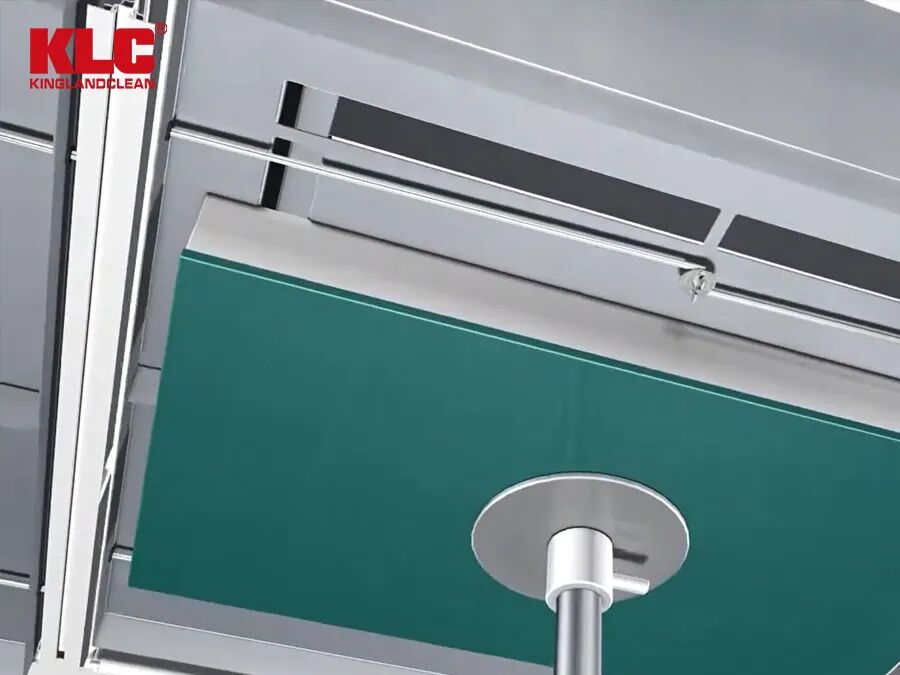
Low-frequency noise primarily originates from vibrations transmitted through the ceiling framework. KLC reduces mechanical vibration at the source by using imported high-performance fans with rotors precisely balanced. Coupled with professional vibration-damping hangers, the vibration transmission path is interrupted, effectively suppressing structure-borne noise.
Standardized testing verification
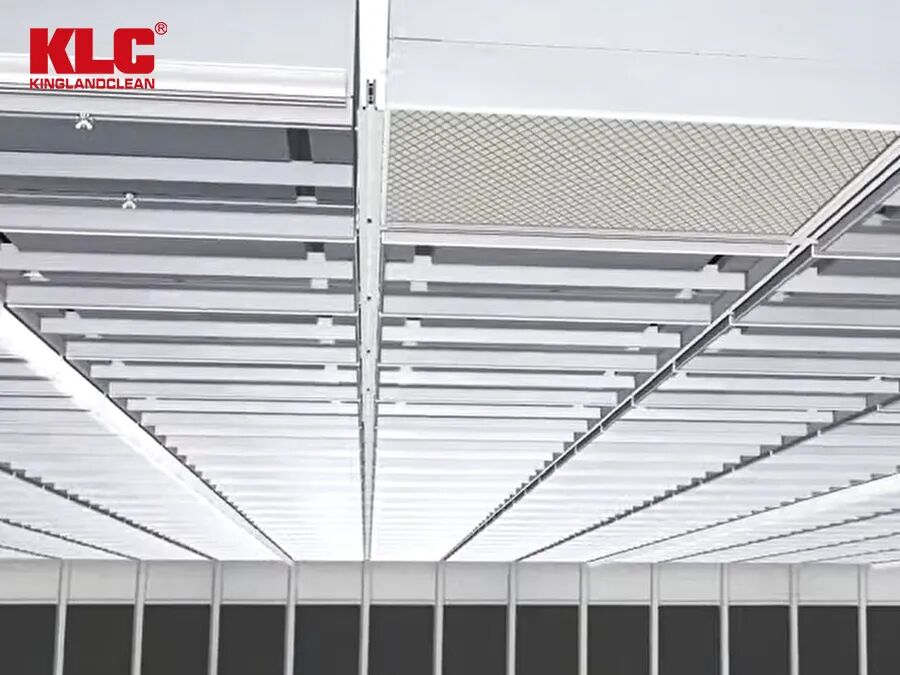
Strictly in accordance with GB/T 14295 and JG/T 388-2012 standards, tests are conducted in standard anechoic chambers simulating real installation conditions, with third-party test reports provided. The nominal 68 dB(A) figure corresponds to defined test conditions and can withstand on-site re-verification.
From design to delivery, KLC validates results with experience from thousands of projects.
KLC FFUs (fan filter unit) address three core challenges:
★ Eliminating cumulative effects
Even with hundreds of units densely installed on the ceiling, the overall acoustic environment remains controllable through proper airflow organization.
★ Protecting precise data
Effectively eliminates micro-vibrations that interfere with sensitive instruments such as balances and microscopes, ensuring data accuracy.
★ Improving occupational health
Reduces background noise to a comfortable level, minimizing auditory fatigue during prolonged work and enhancing team efficiency.



 IPv6 network supported