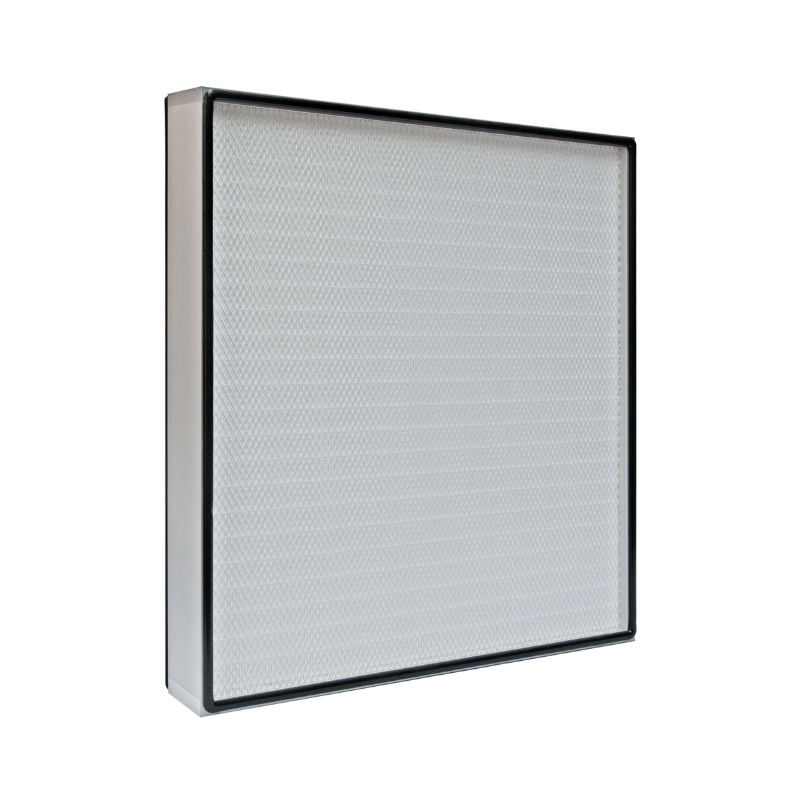
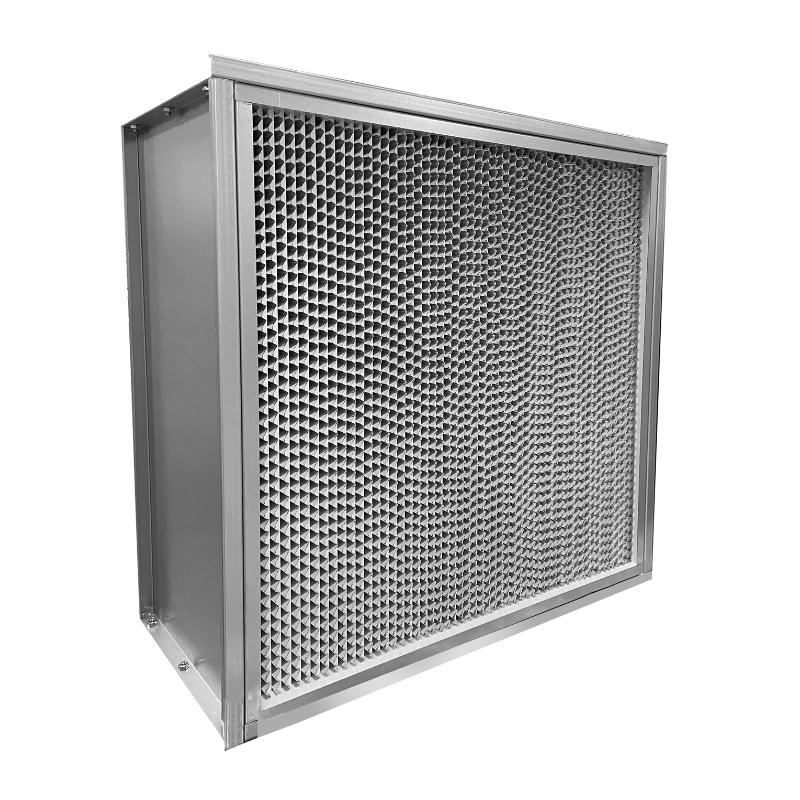
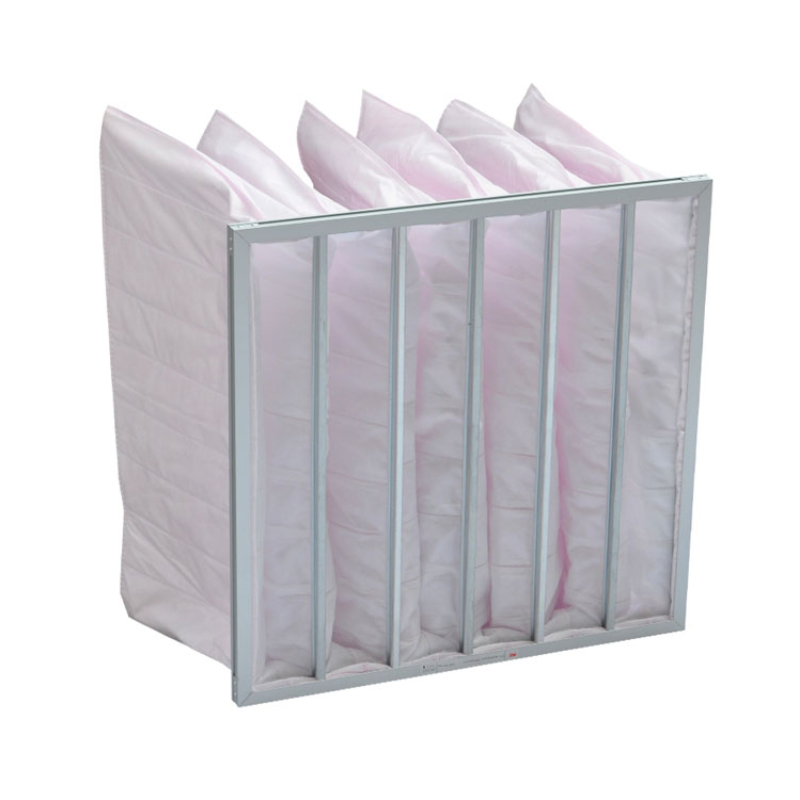
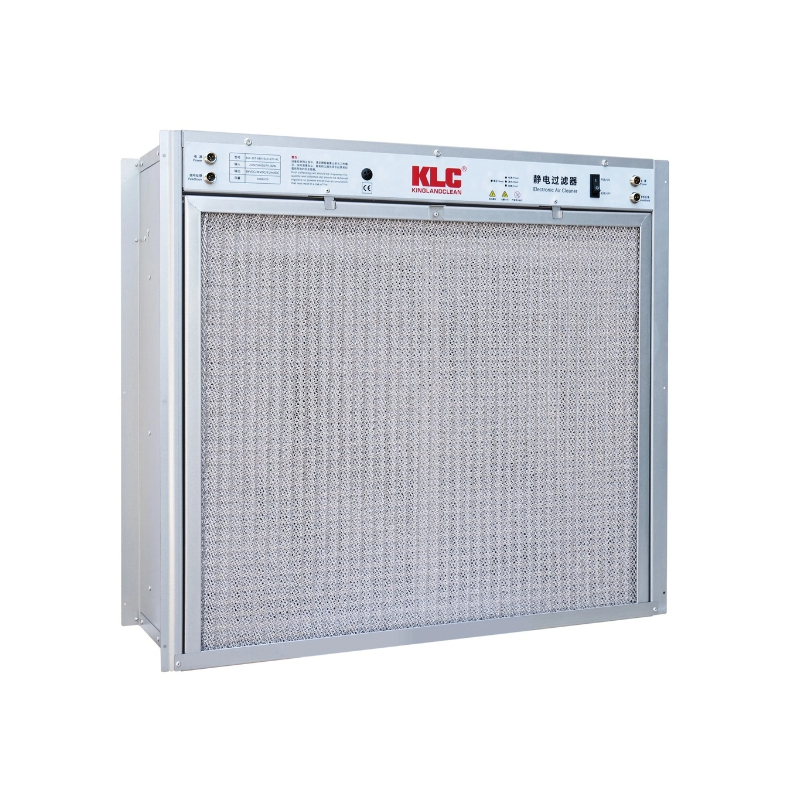
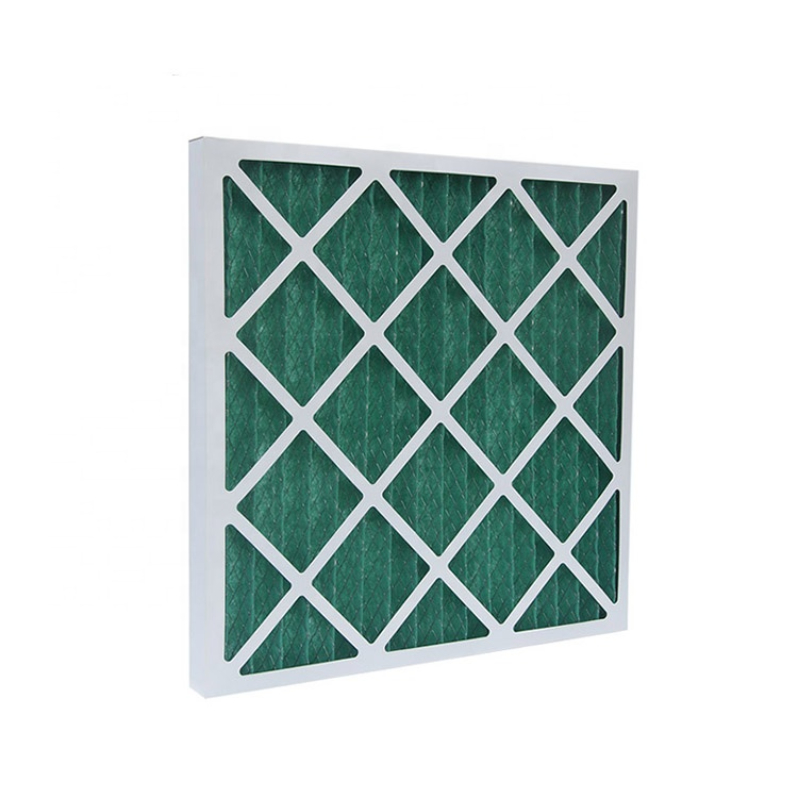
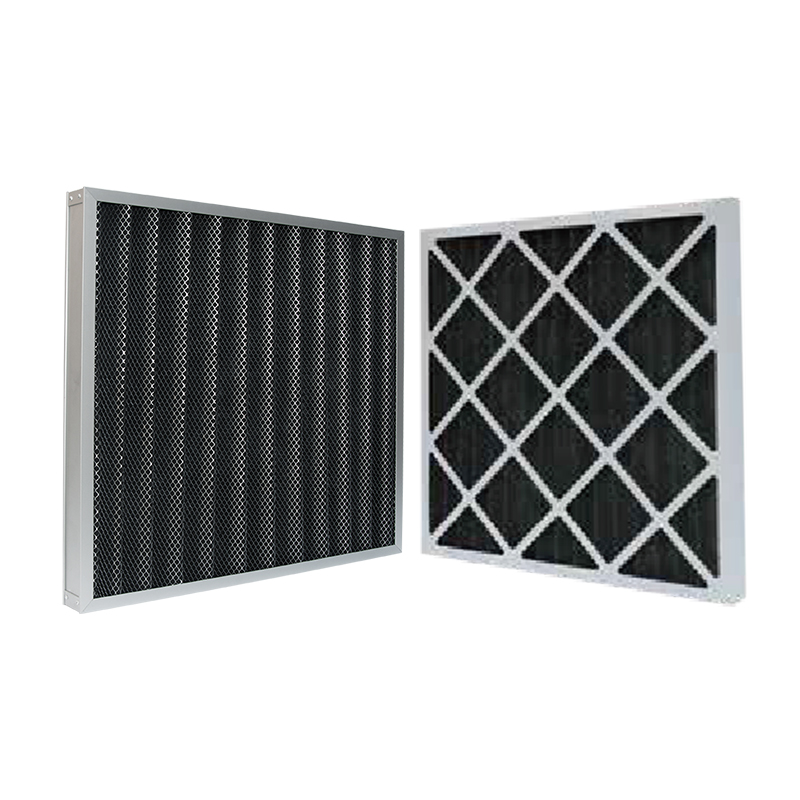
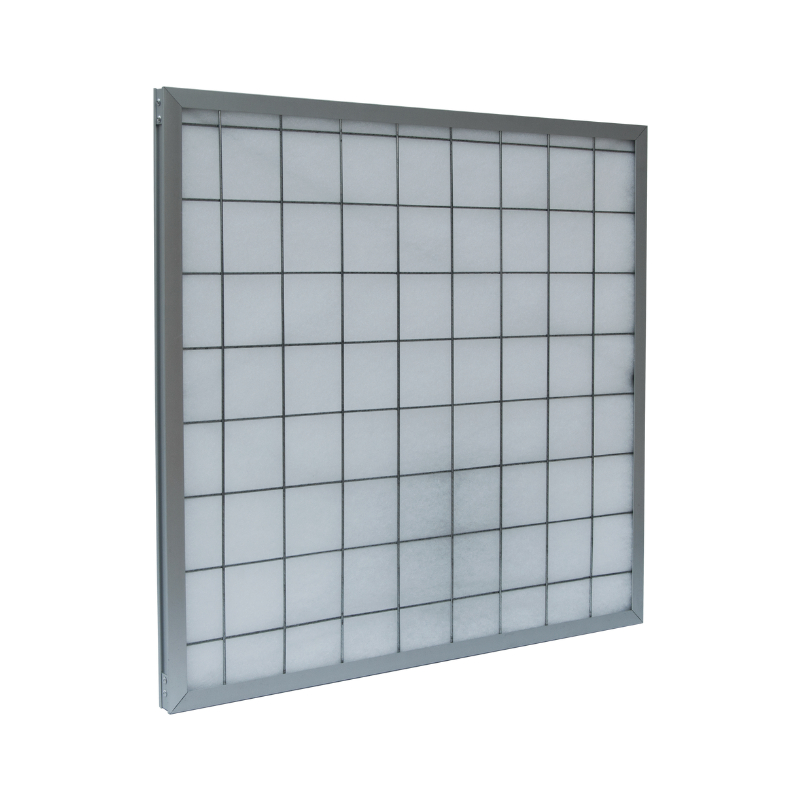
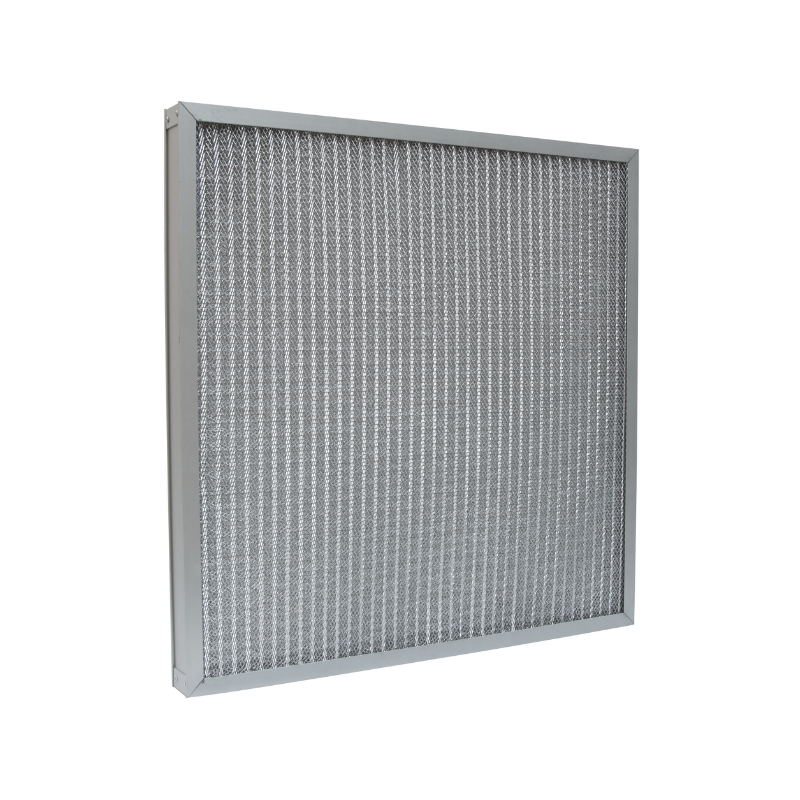
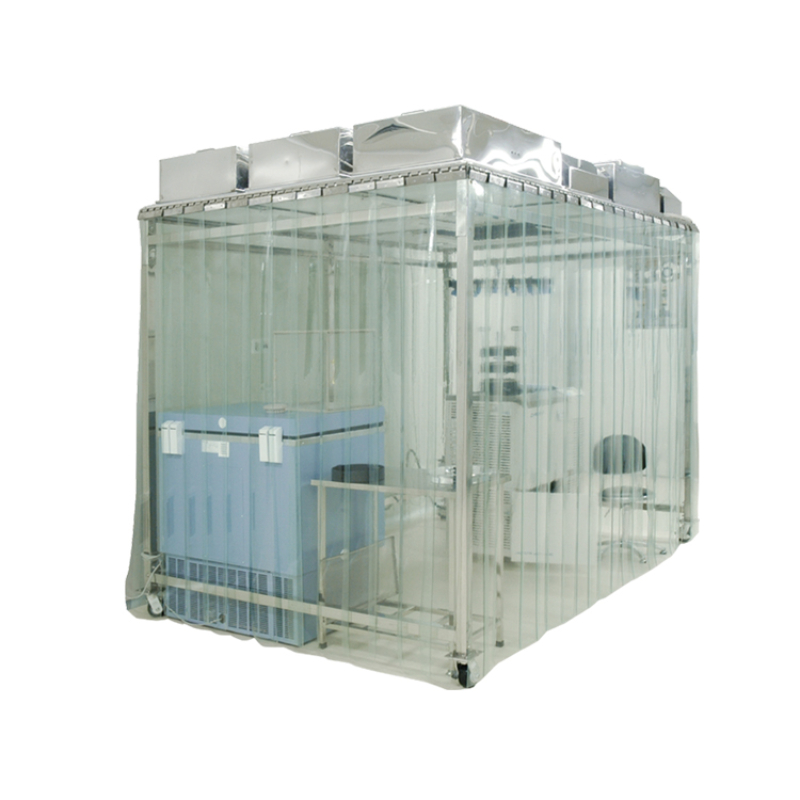
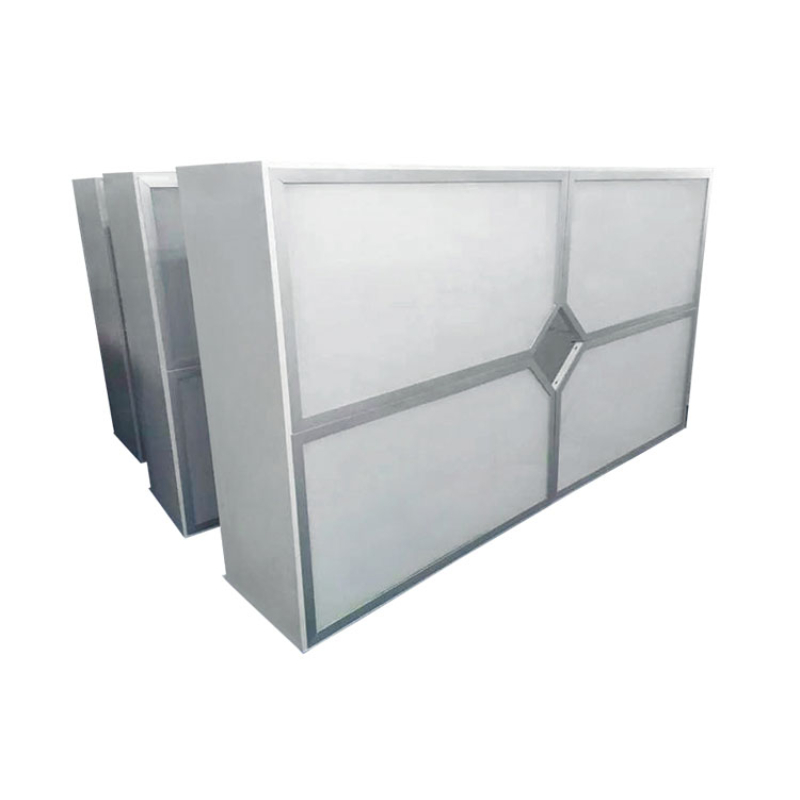
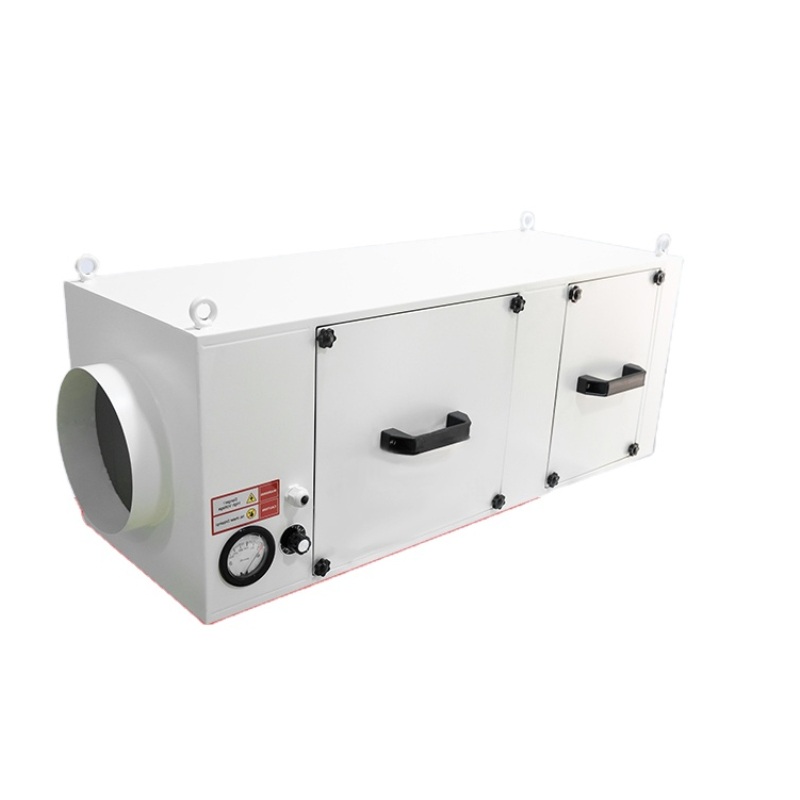
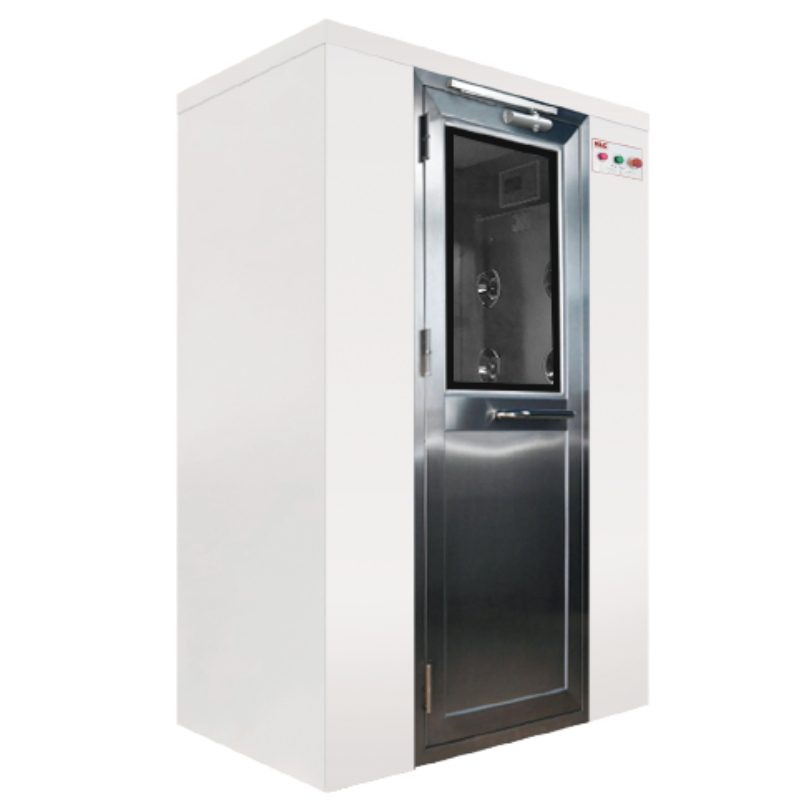
Applications
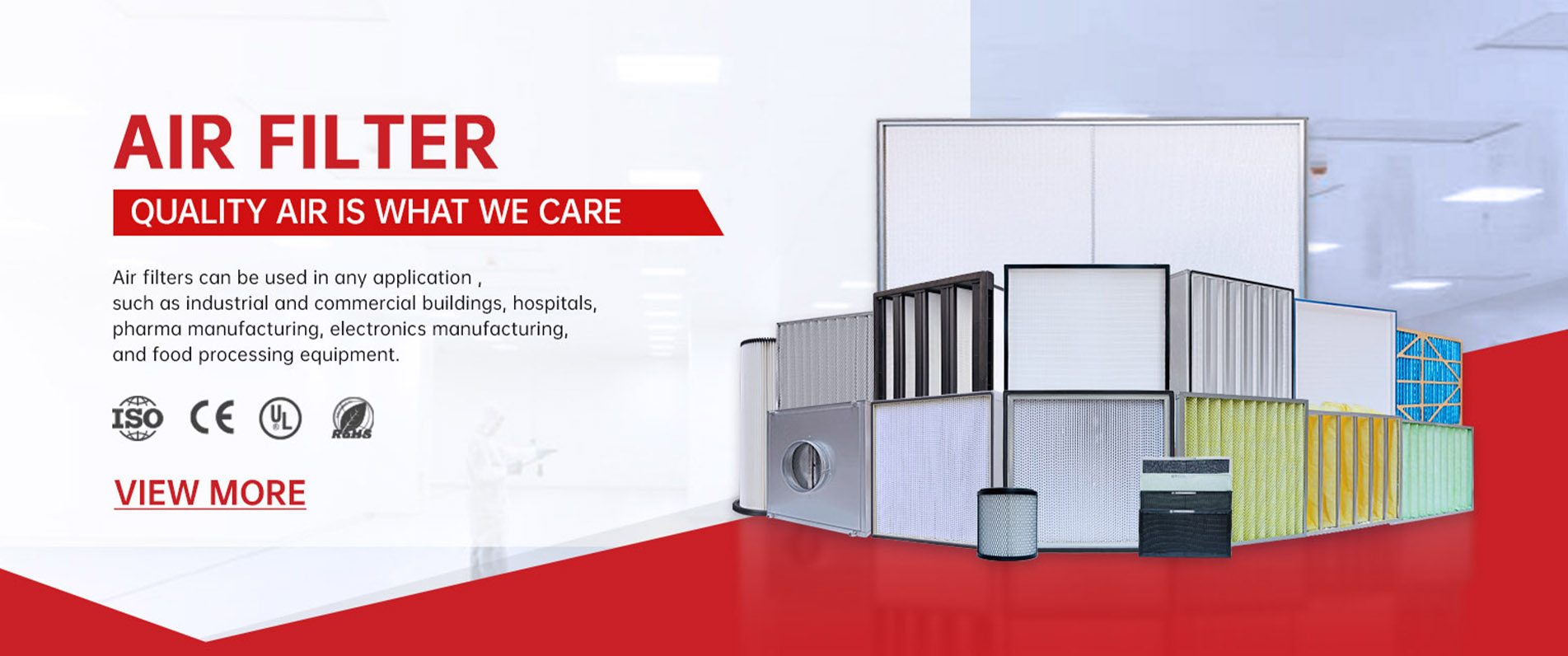
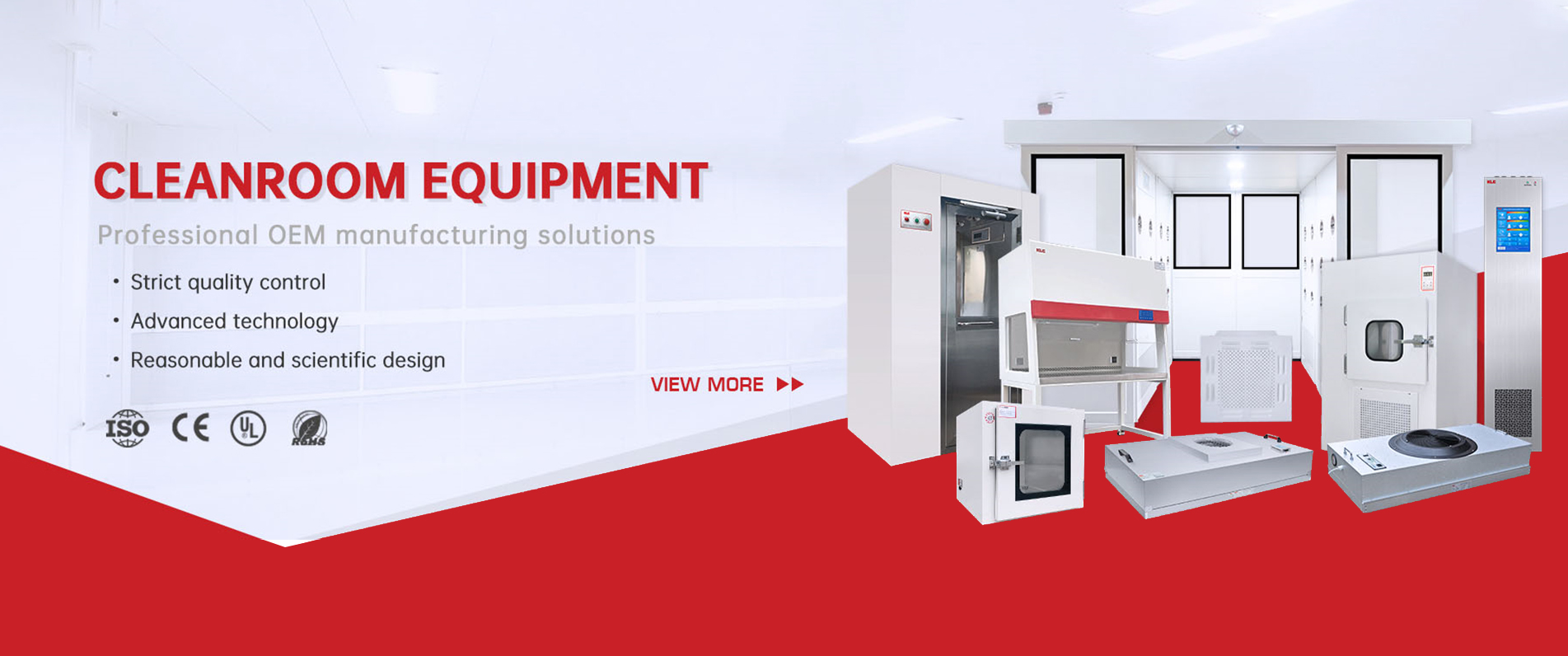
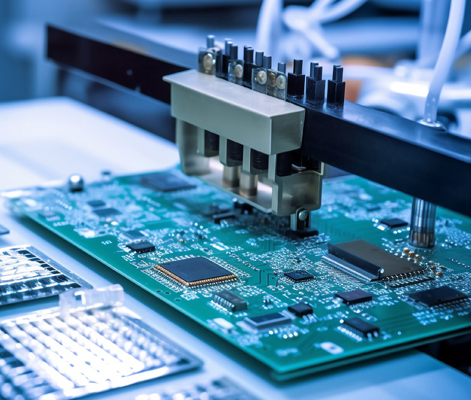
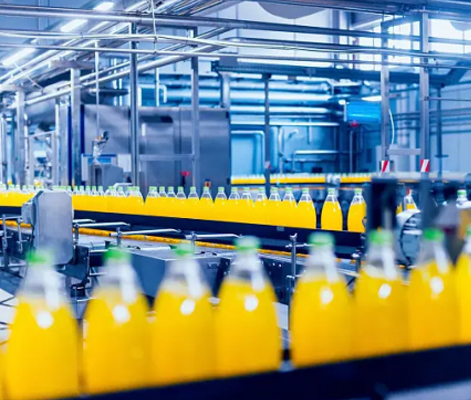
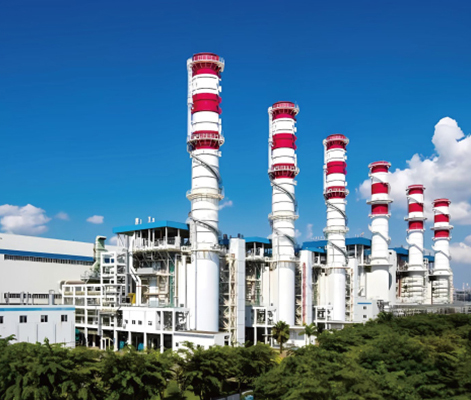
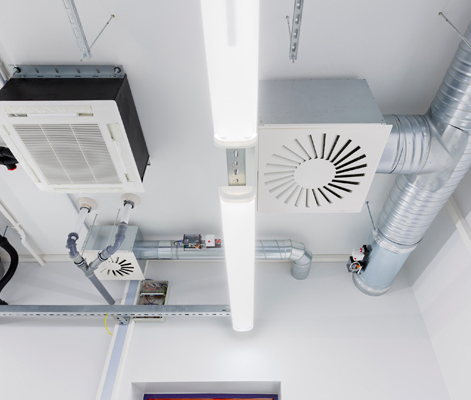
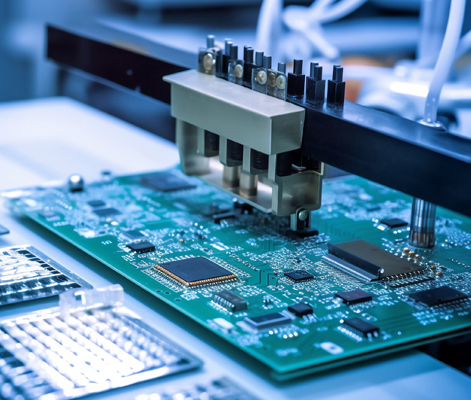
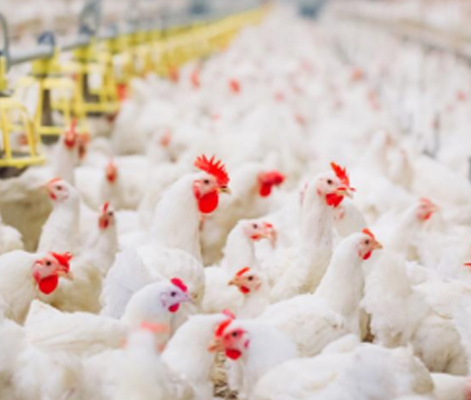
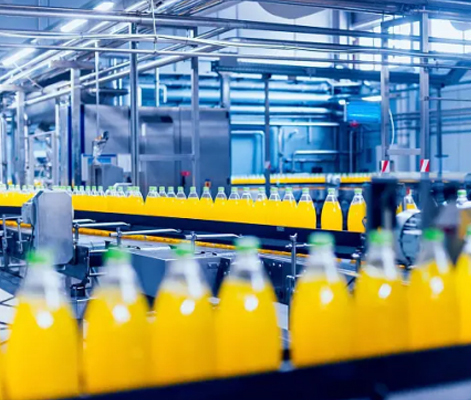
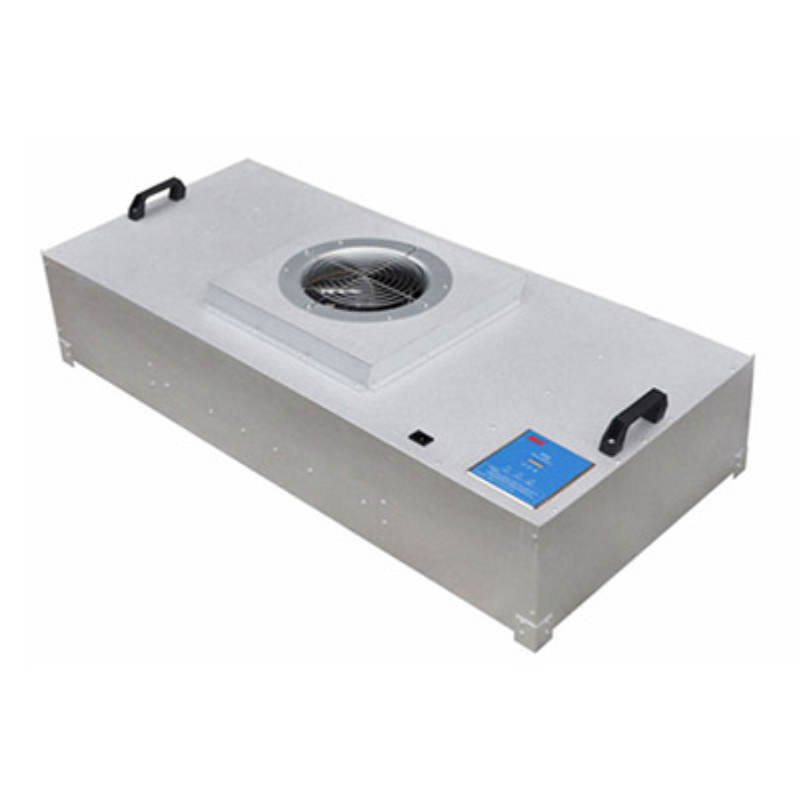
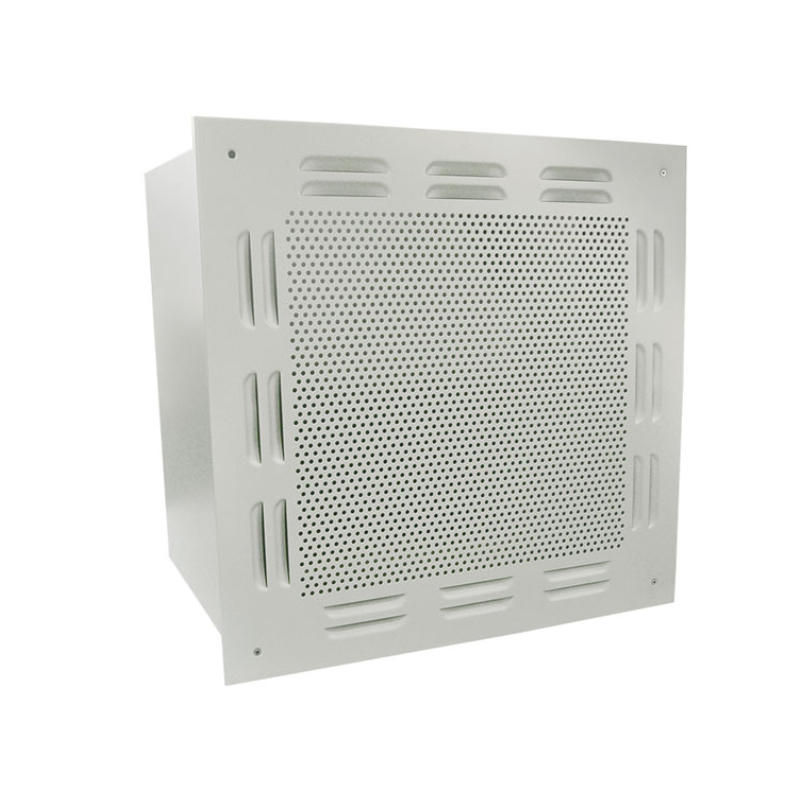
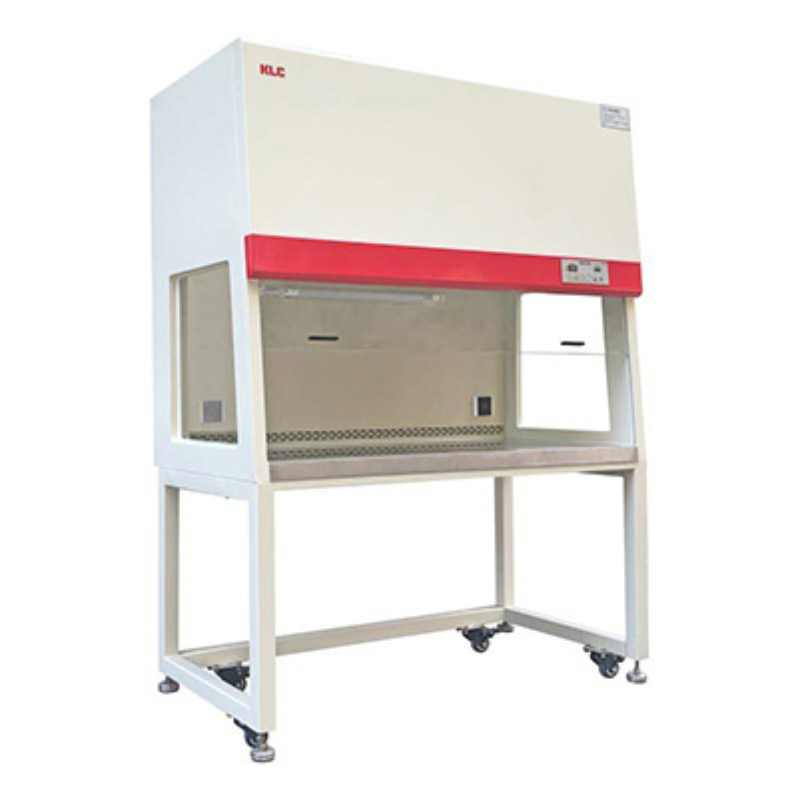
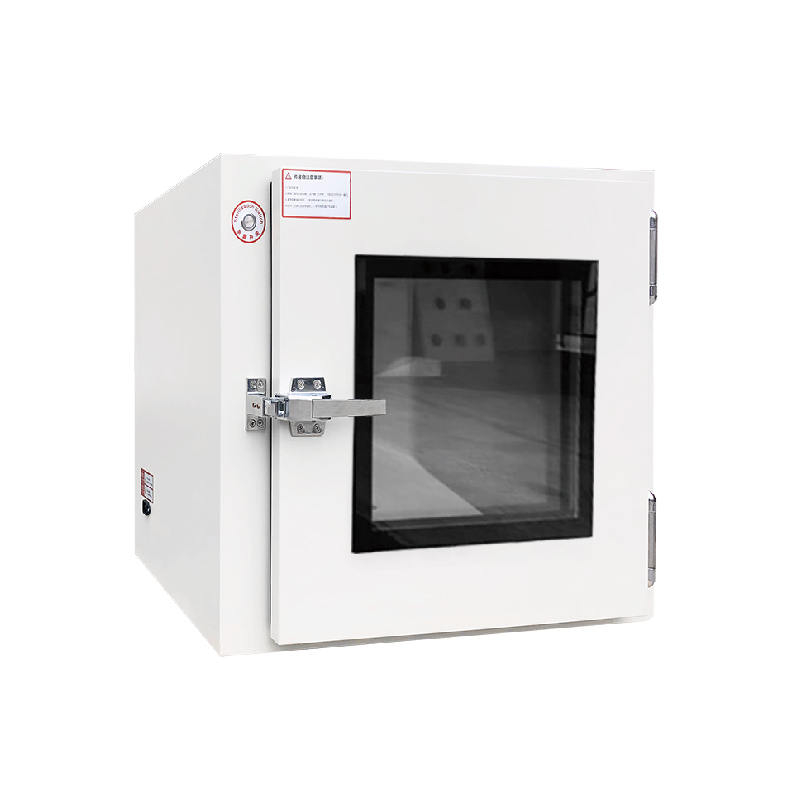
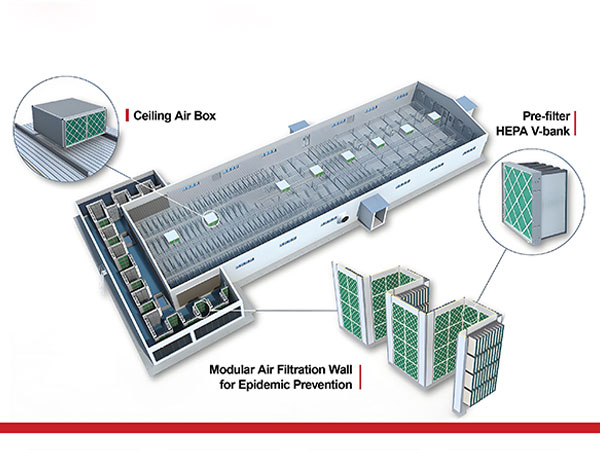
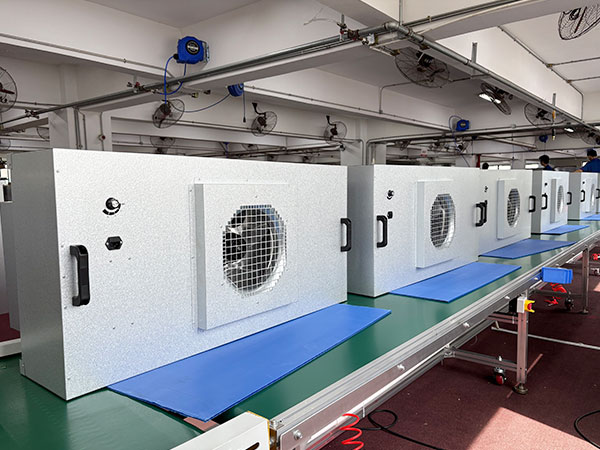
It widely used to hospital operation room, laboratory, pharmaceutical room, electronics, optical fiber equipment and food processing factory etc.
About Us
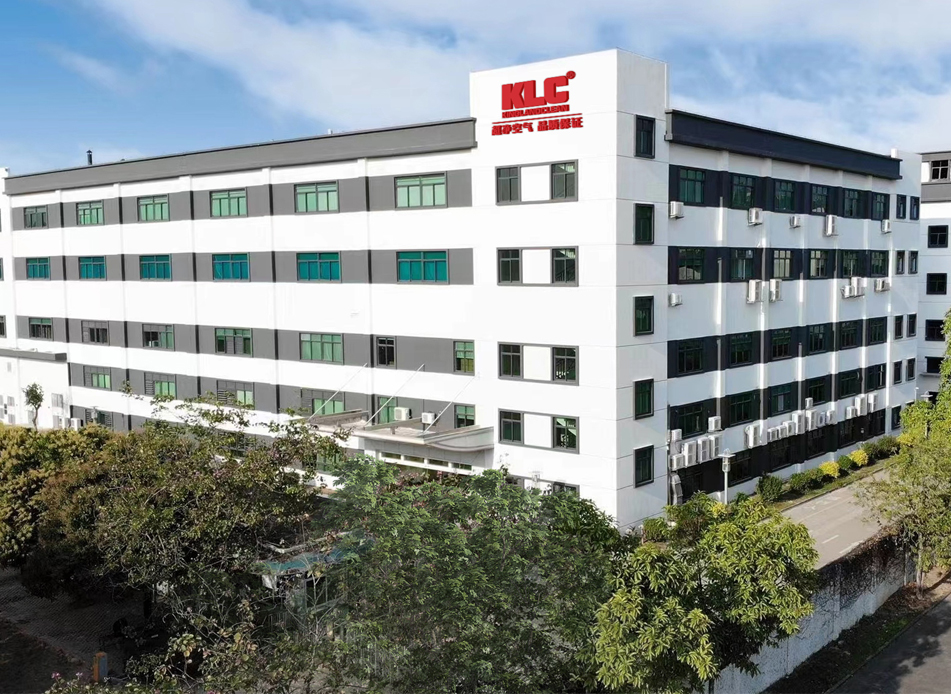
GUANGZHOU KLC CLEANTECH CO., LTD., as a leading supplier of air filters and cleanroom equipment, is committed to providing excellent solutions for clean and fresh air.

28+

YEARS OF EXPERIENCE

  Hong Kong Kingland Investment Limited has been committed to advancing air purification technology and delivering exceptional products and services to customers worldwide since its inception. Leveraging Hong Kong's strategic position as an international financial and commercial center, we are able to efficiently integrate global resources, expand into international markets, and establish close partnerships around the world.   Since 1994 when KLC was built, we have been dedicated to the research and development of air purification products. We have invested a large amount of funding and technology to ensure that our customers can enjoy the latest high-quality products and the most professional additional services. Since the 21st century, KLC has expanded its reach to every corner of the world, accumulating extensive experience and application knowledge in order to provide more comprehensive products and services. KLC was the first enterprise in the purifying field to pass the ISO14001 and ISO9001 certifications. We possess top-ranking clean workshops and production lines, as well as advanced air filter equipment. As one of the leading manufacturers in researching, designing, and producing products related to clean rooms, our products and production technologies have obtained dozens of national patents. Now, we have garnered support from many leading enterprises across various fields and countries. With our "Globalization thinking" business philosophy, KLC products are spreading throughout Asia, Europe, and America. No matter where you are, we are always by your side.   In Mainland China, we have established an advanced production base that focuses on the research, development, production, and sales of air purification products. This production base is an integral part of our global layout, ensuring that we can continue to deliver high-quality products and services to customers worldwide.   THE HISTORY OF KLC 2005﹎﹎﹎At the beginning of establishment, KLC committed to the construction projects in the area of air conditioning, refrigeration, ventilation, air treatment, dust-free workshop, etc, focusing on China's emerging markets for future high-tech manufacturing industry, which has provided a solid foundation for industrial clean room area in technology, management and services. 2006﹎﹎﹎KLC registered our own trademarks, transferred air purification manufacturing market from scattered hand-made workshop to factory integration production. In the same year, KLC became China's first batch company in the air purification field to pass the SGS ISO9001 and SGS ISO14001 certification, these criteria for quality and environment management have built a solid basic for KLC's management and development. KLC also won the "National Quality Credit Enterprise" in 2006. 2007﹎﹎﹎KLC sales channel developed into diversified stage, began foreign trade, undertook a large number of overseas orders, reached cooperation with numbers of well-known domestic and foreign enterprises. In the same year, KLC products quality reached to a higher level, highly praised by domestic and foreign partners, and won the " Enterprise of Good Creditworthiness " award. 2009﹎﹎﹎KLC' worked with more than 3,000 end-users, and established one of few 10,000 clean class clean room for HEPA filters and ULPA filter manufacturing, in order to ensure the filters are free from pollution before customer receive the products. The clean room has effectively meet the requirement for business and future expansion of capacity, logistics or hardware equipment. 2011﹎﹎﹎KLC again researched and developed our own a variety of purification products, the world-class quality, appearance and utility model patents has set off a clean air whirlwind among the industry. Opened up a new situation in the domestic air purification industry. 2013﹎﹎﹎KLC product technology break through the traditional constraints successfully, innovation and improvement has been promoted, some product projects have been reviewed and passed the state-level scientific and technological innovation projects. In the same year, KLC is awarded as "high-tech" enterprises. 2014﹎﹎﹎KLC imported a large-scale media folding machine and flat foaming machine, became the first in southern China producing 1500mm width mini-pleat media filter. 2016﹎﹎﹎KLC invested huge sums of money to introduce an U-level testing equipment for filter's air flow, resistance and efficiency testing, filling the blank in southern China market of air filter testing, secondary testing equipment with the Chinese Academy of Sciences. KLC all products start to label with a style code, which enable the immediate tracing from production, logistics and product maintenance. 2017﹎﹎﹎KLC brand get a further upgrade, integrated comprehensively both from internal and external, including APP, suppliers, supply chain, logistics system etc. Starting a new journey from the state-own company Da An Gene become a shareholder of KLC. 2020﹎﹎﹎Introducing fully automatic MPPS filtration efficiency scanning equipment and air flow resistance detection equipment imported from the United States to enhance KLC's product development capabilities and meet higher customer demands.. 2022﹎﹎﹎KLC was awarded the title of "Specialized, Refined, Unique and New" enterprise and innovative small and medium-sized enterprise. In the same year, KLC's R&D center was approved as the Guangdong Engineering R&D Center. 2024﹎﹎﹎Introducing fully automatic MPPS filtration efficiency scanning equipment and air flow resistance detection equipment imported from the United States to enhance KLC's product development capabilities and meet higher customer demands.
Production
Automatic Sealant Glue Inject Machine Interactive laser cutting machine Automatic Digital Punching Machine Automatic Digital Bending Machine Automatic Folding Machine Combination Folding Machine Hepa Media Pleating Machine Semi-Automatic Sealant Glue Inject Machine2 Separator Filter Aluminum Foil Presing Machine Efficiency, Air Flow, Resistance Testing Machine PAO Testing Equipment PAO Testing Equipment2 Smoke Leakage Test Air Duct Type Particle Counter Testing Efficiency, Air Flow, Resistance Testing Machine 2 Semi-Automatic Sealant Glue Inject Machine    
Certificate
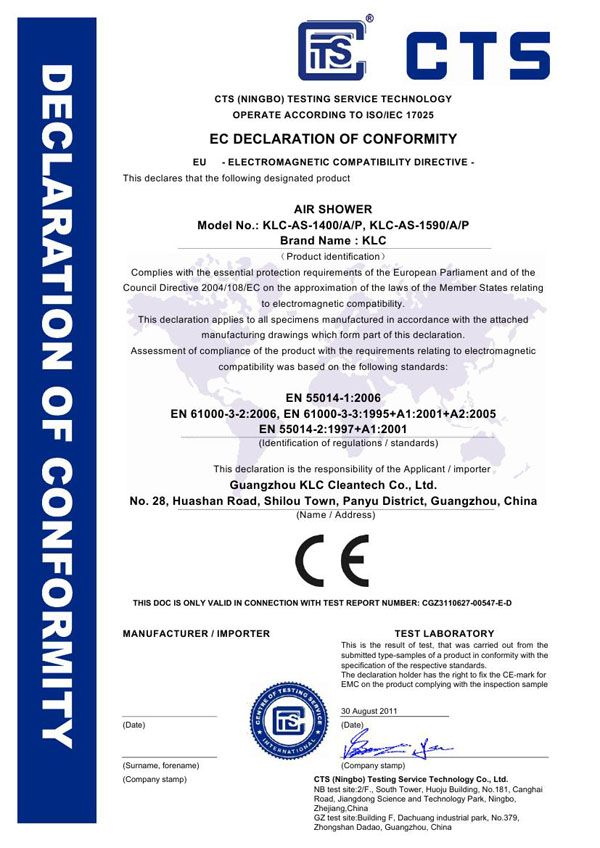
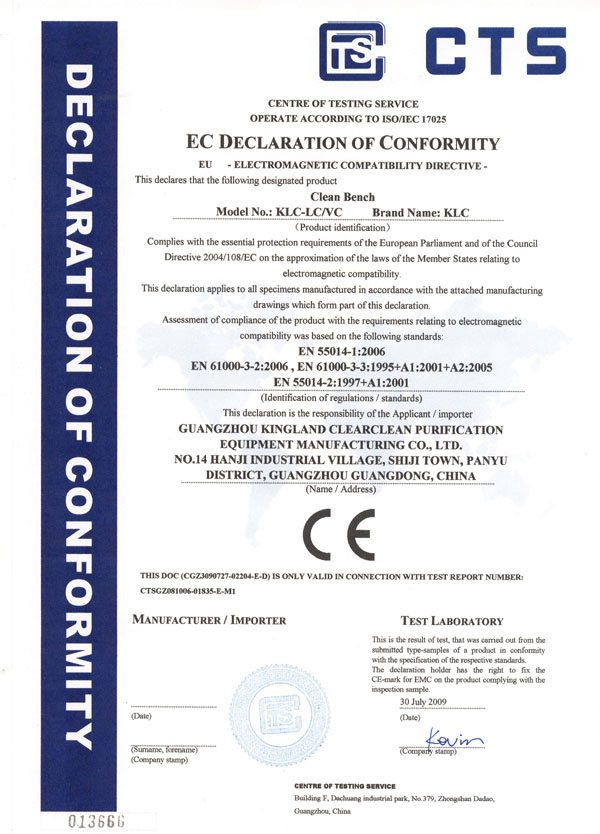
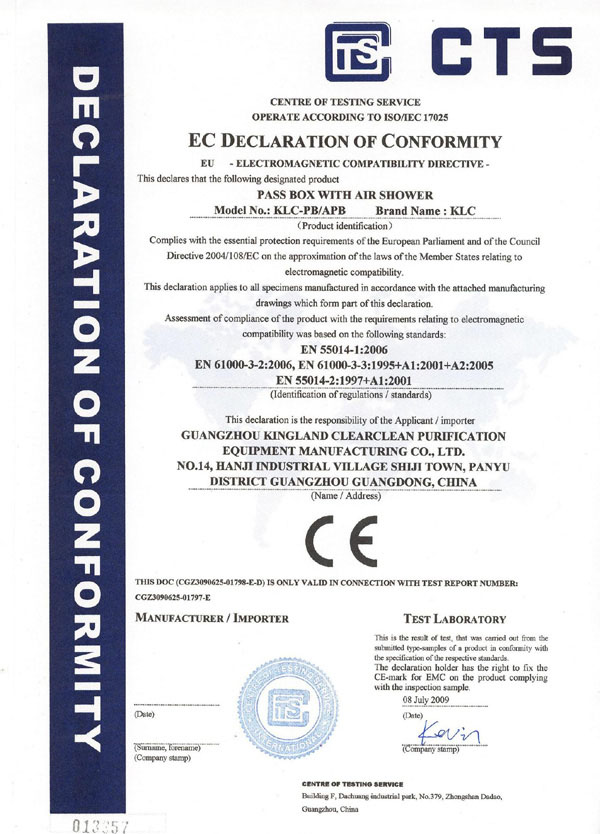
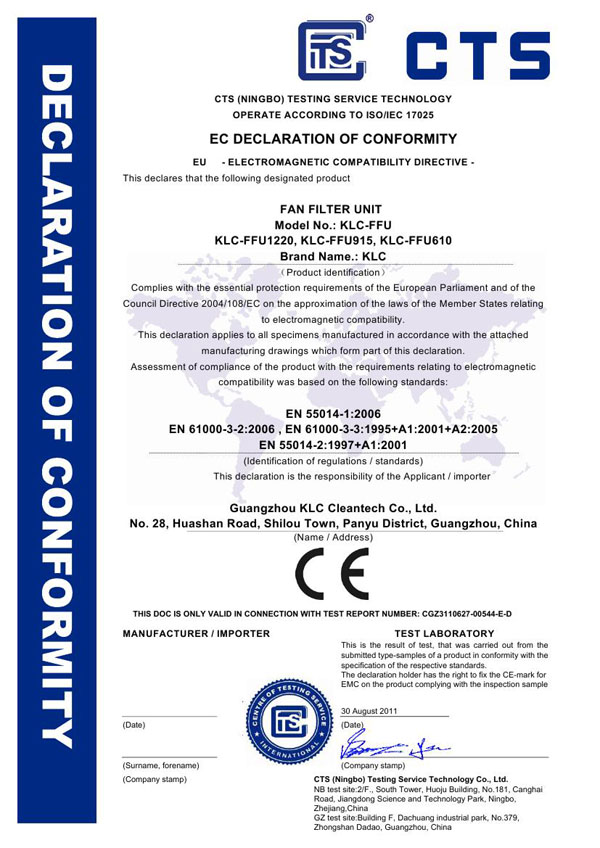
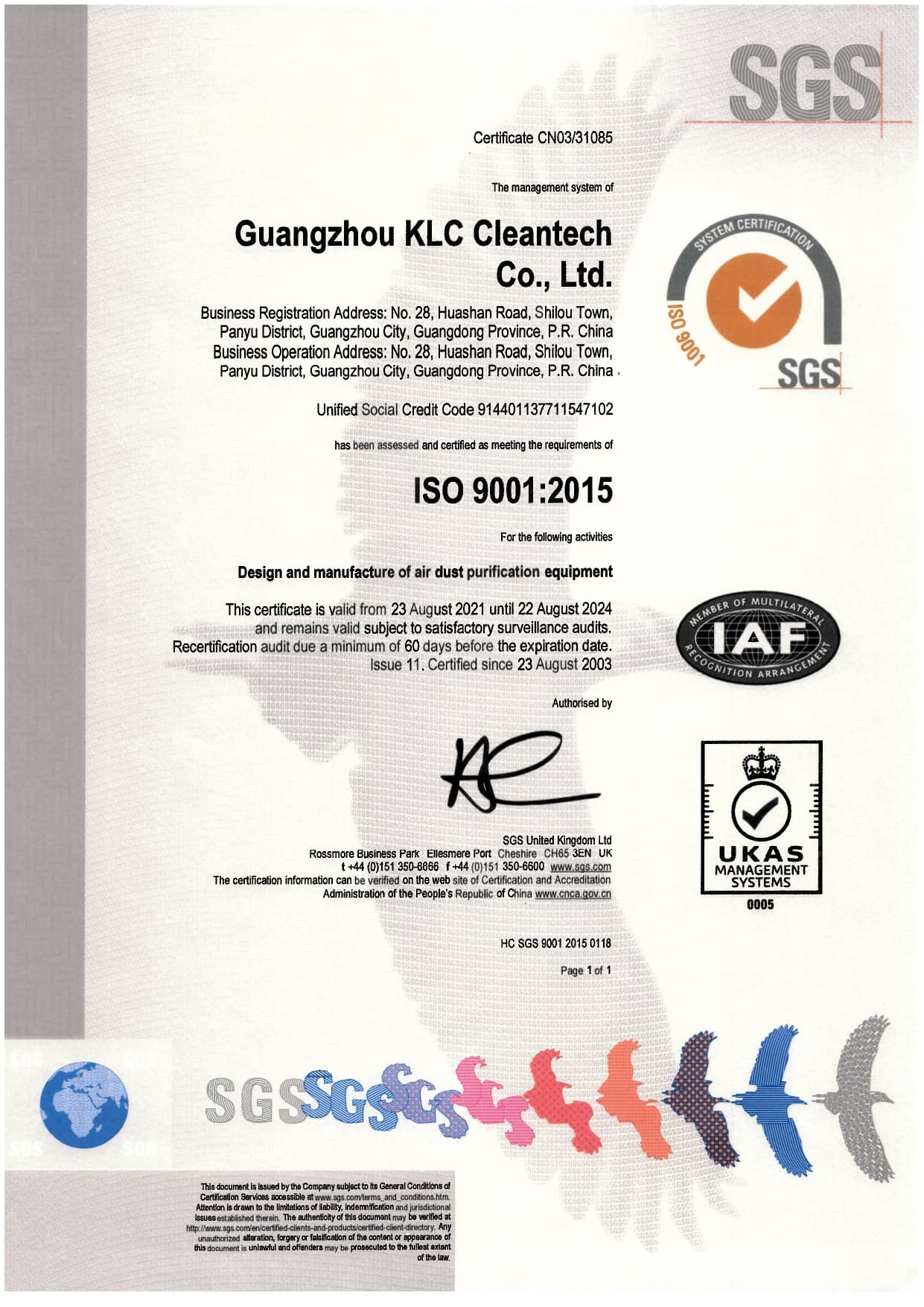
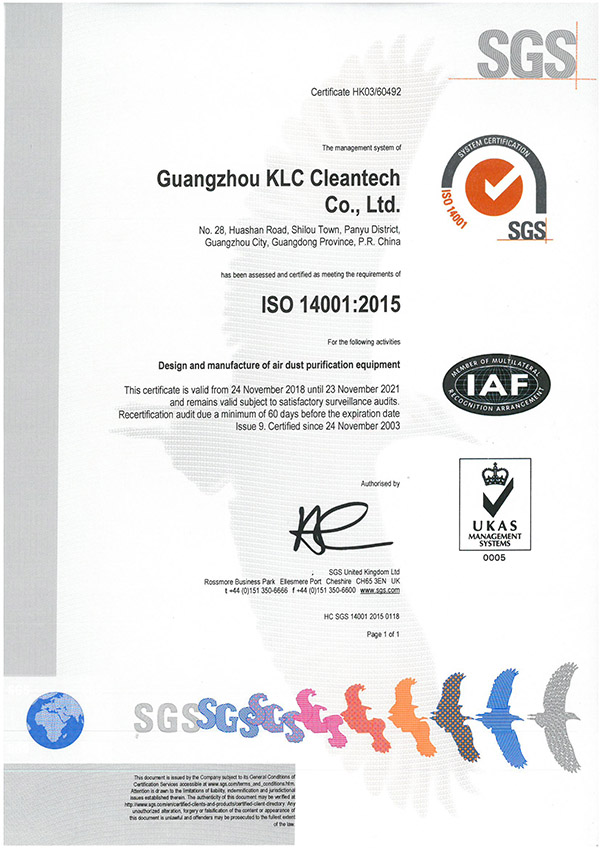
6S management; ISO9001 quality management system; ISO14001 environmental management system
  • CE-AS Series
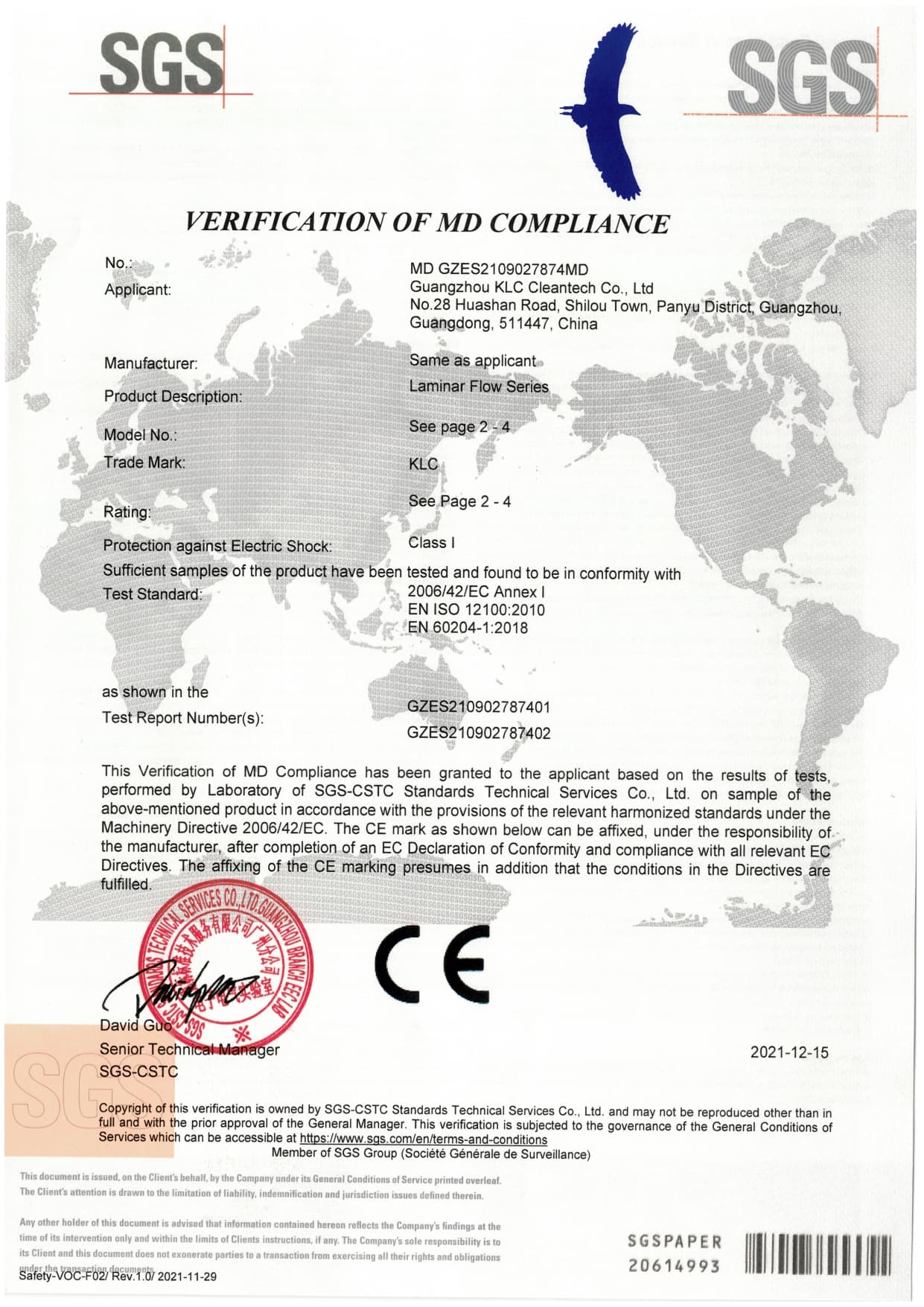
  • CE-LF Series
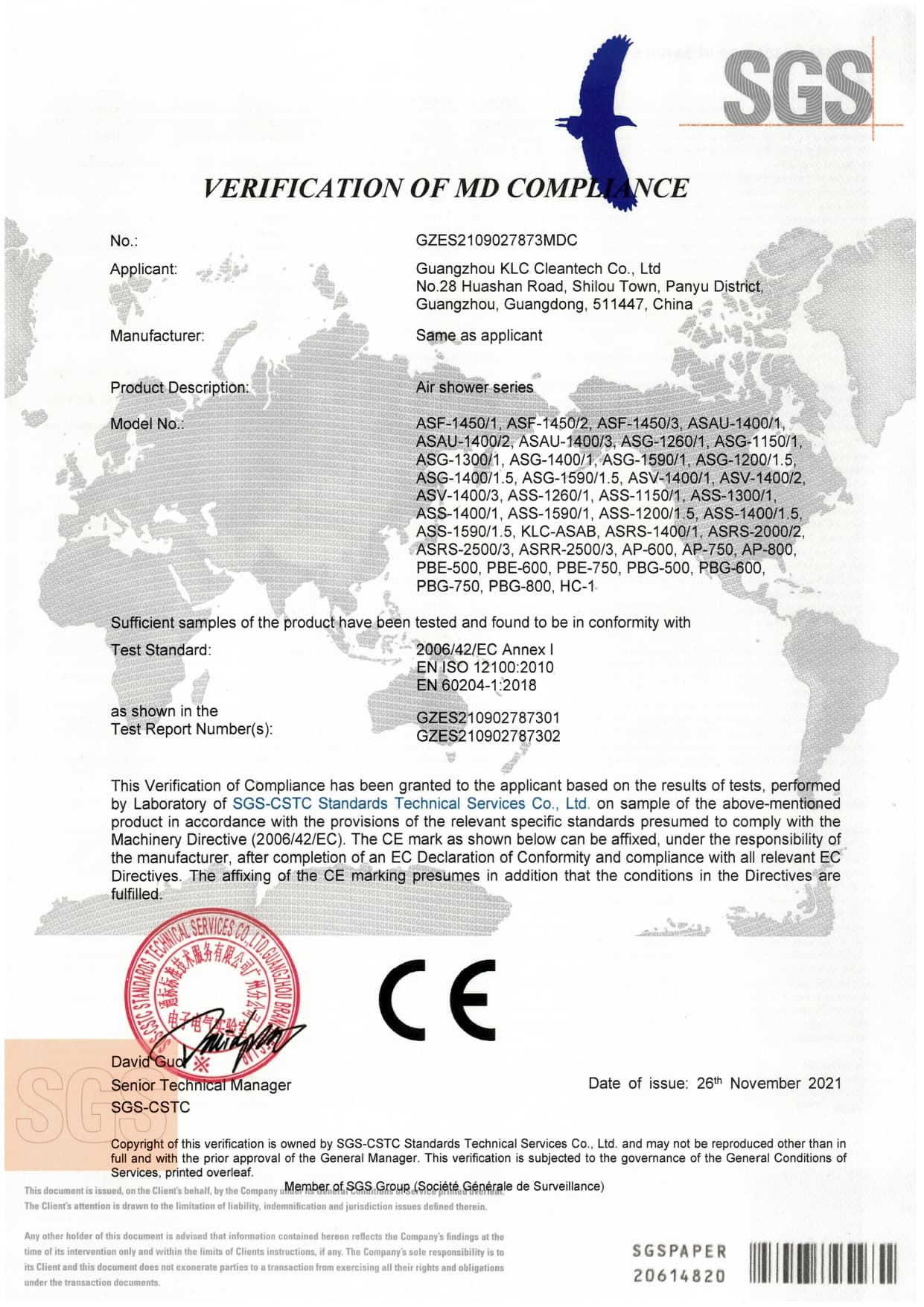
  • Air shower-CE
  • CE-Clean bench
  • CE-Pass box
  • FFU-CE
  • ISO9001 (EN)
  • ISO14001 2015
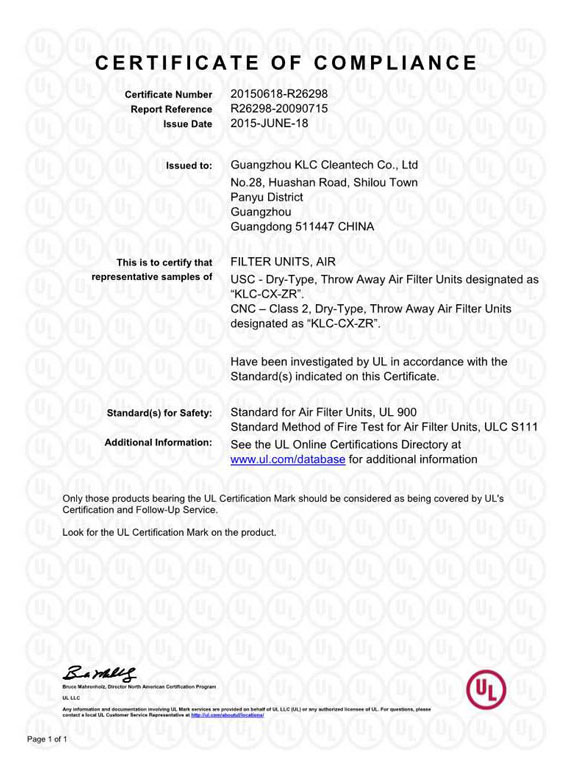
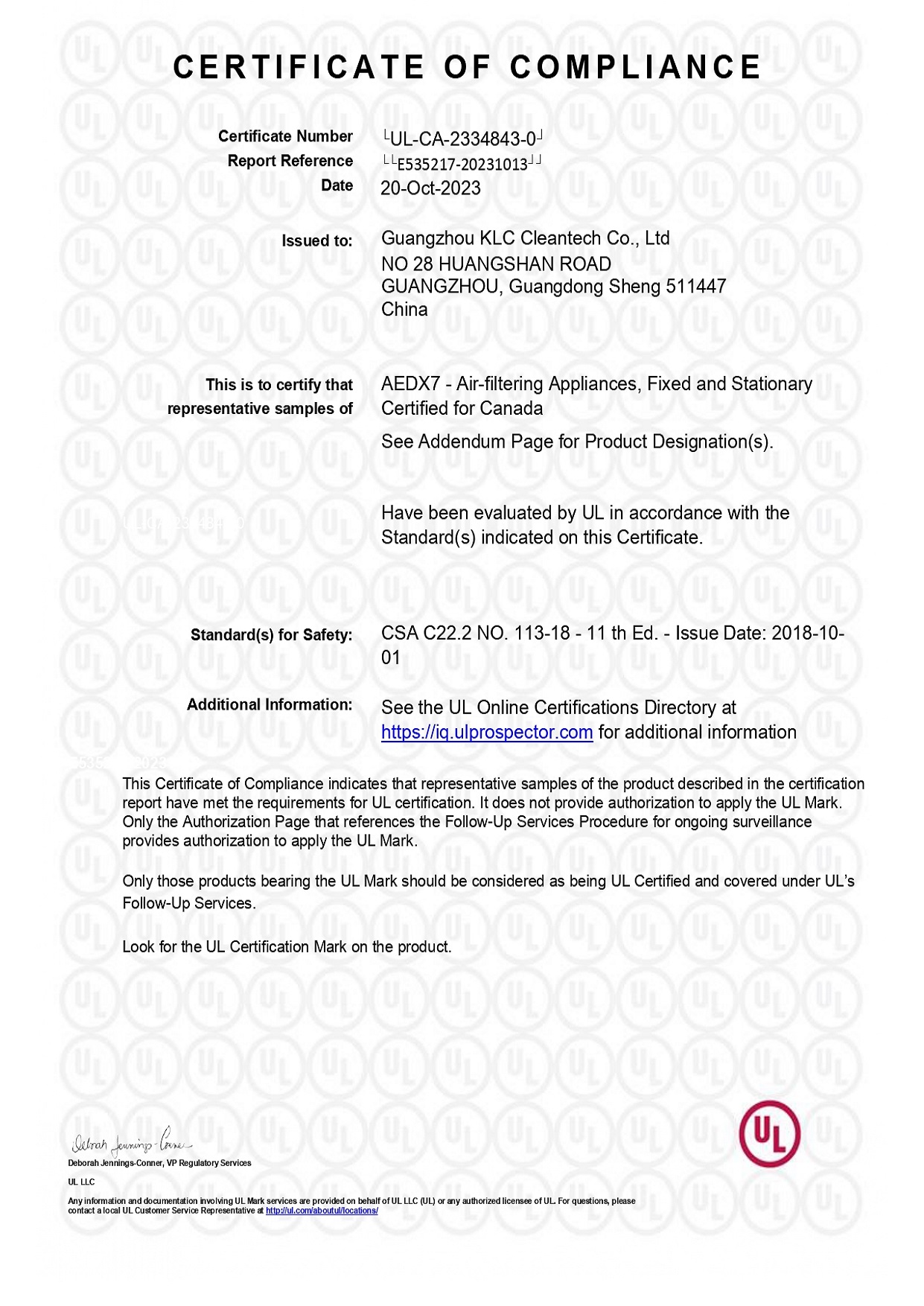
  • Pleated Filter-UL-Certificate of Compliance
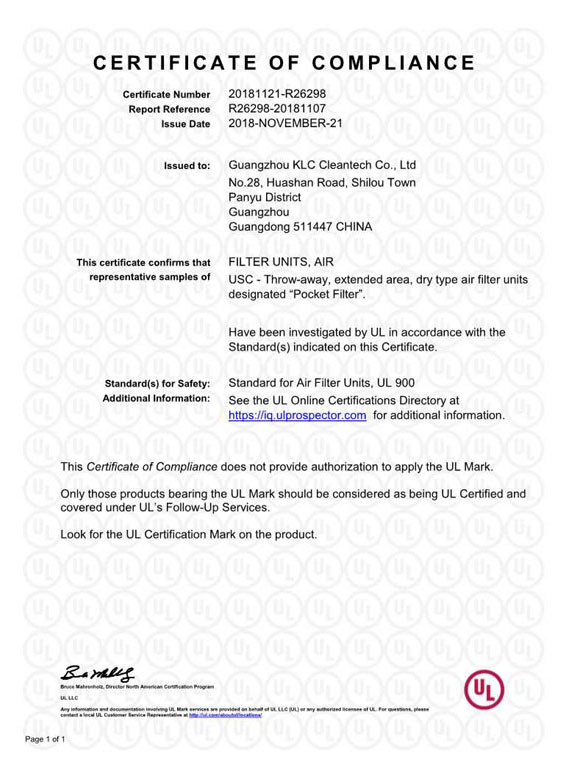
  • Pocket Filter-UL-Certificate of Compliance
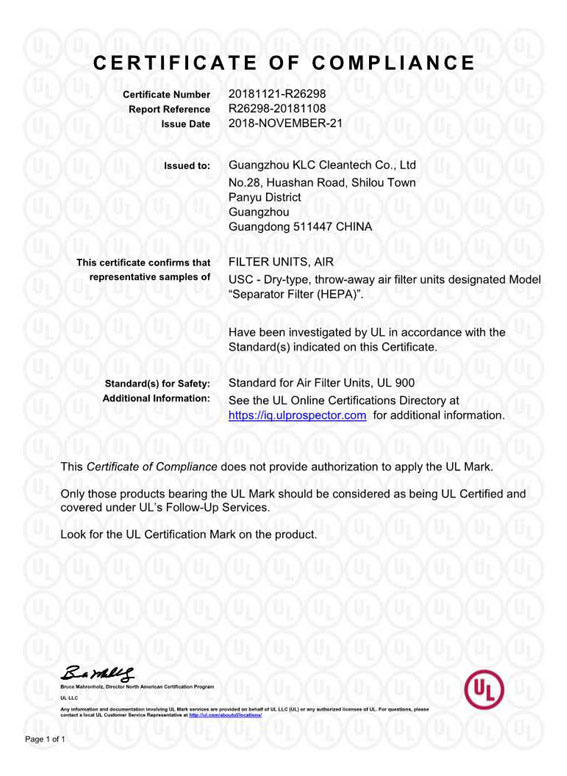
  • Separator Filter-UL-Certificate of Compliance
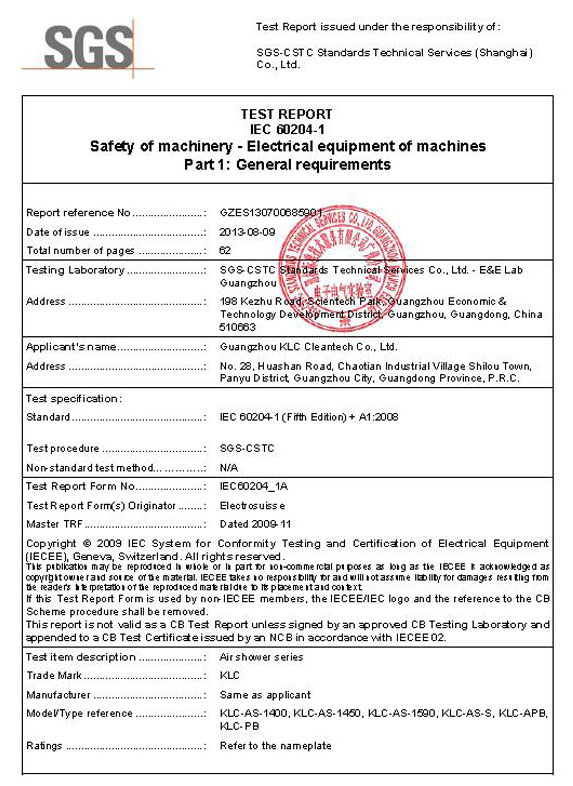
  • SGS AIR Shower test report
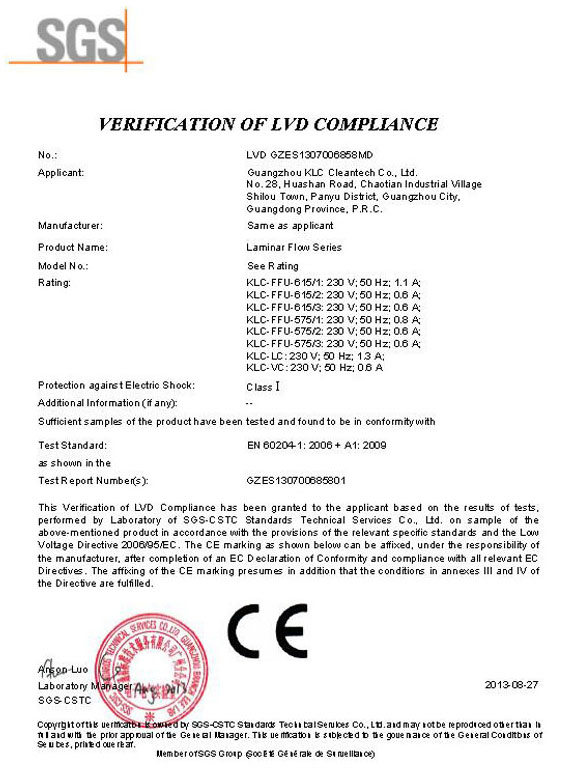
  • SGS FFU & LC VC
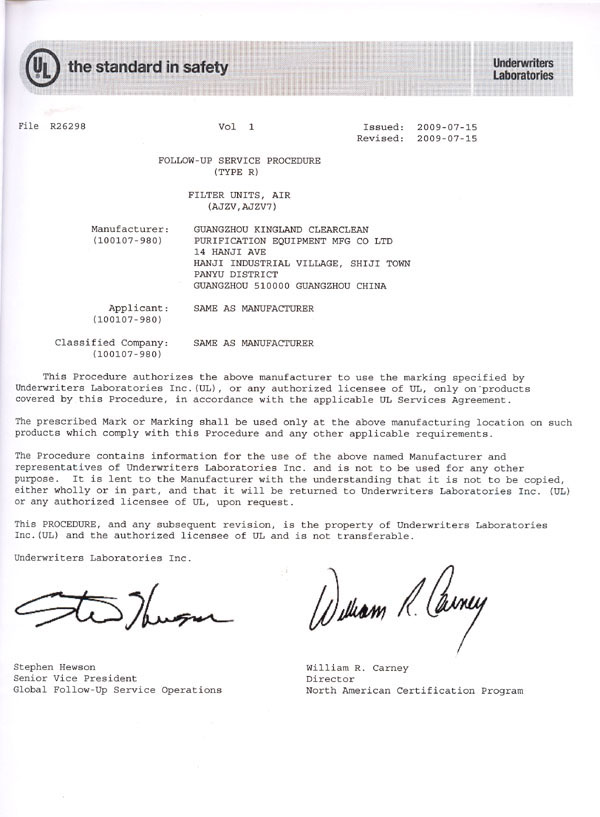
  • 2009 UL-filter
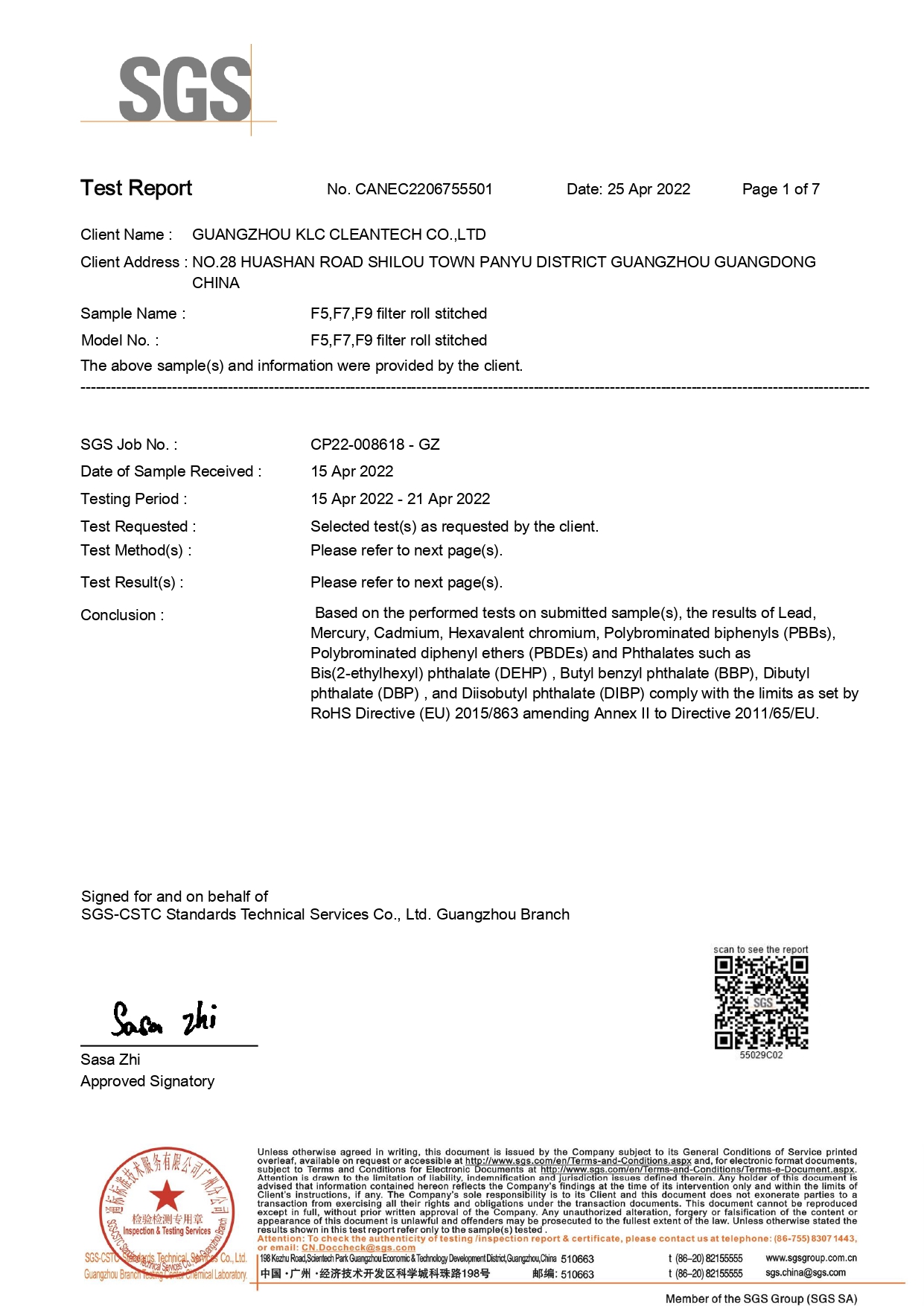
  • SGS F5 F7 F9 filter roll stitched RoHS
  • Certificate ffu ul
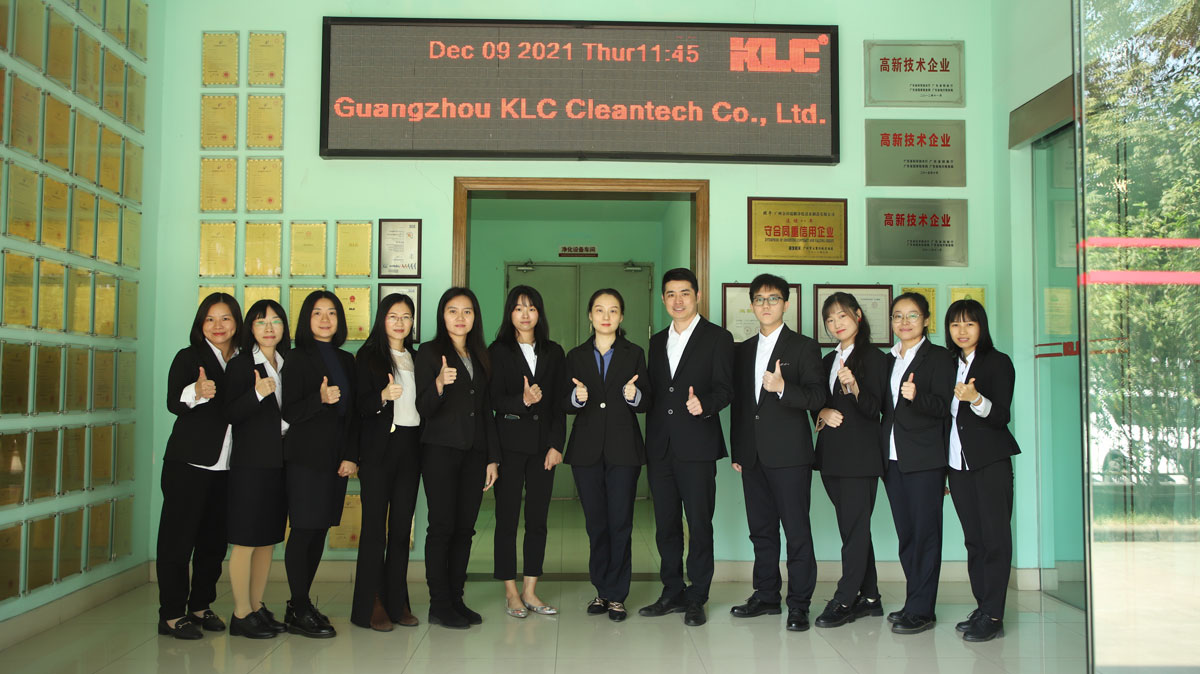
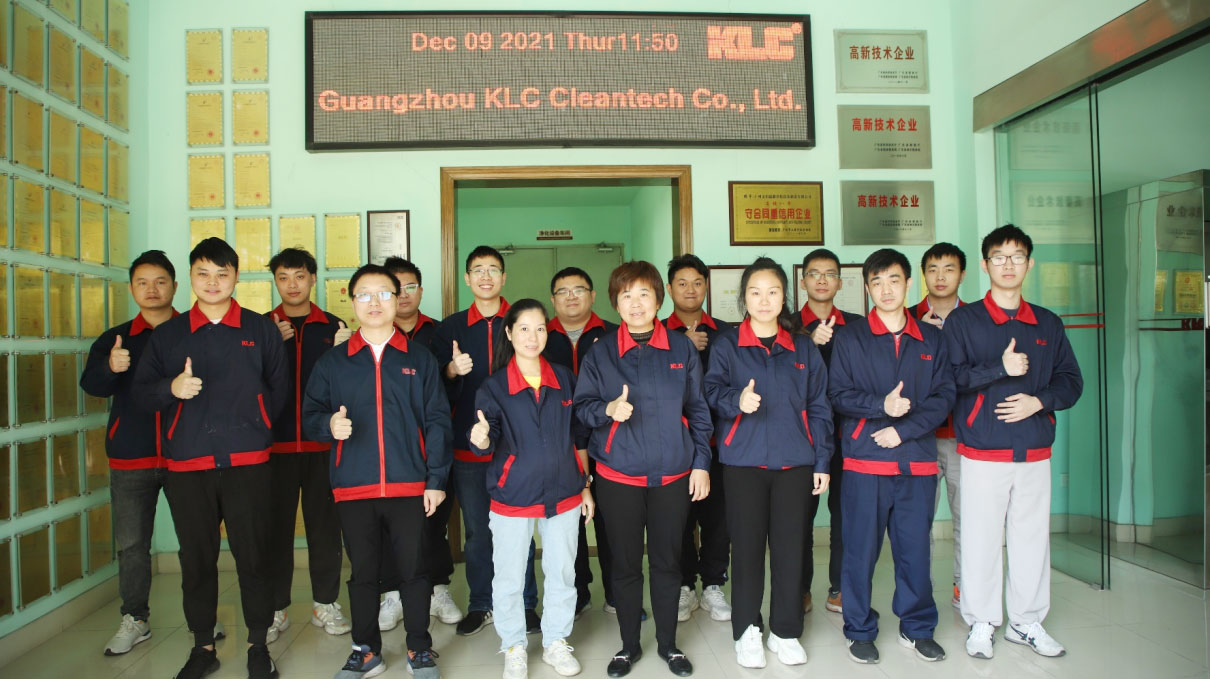
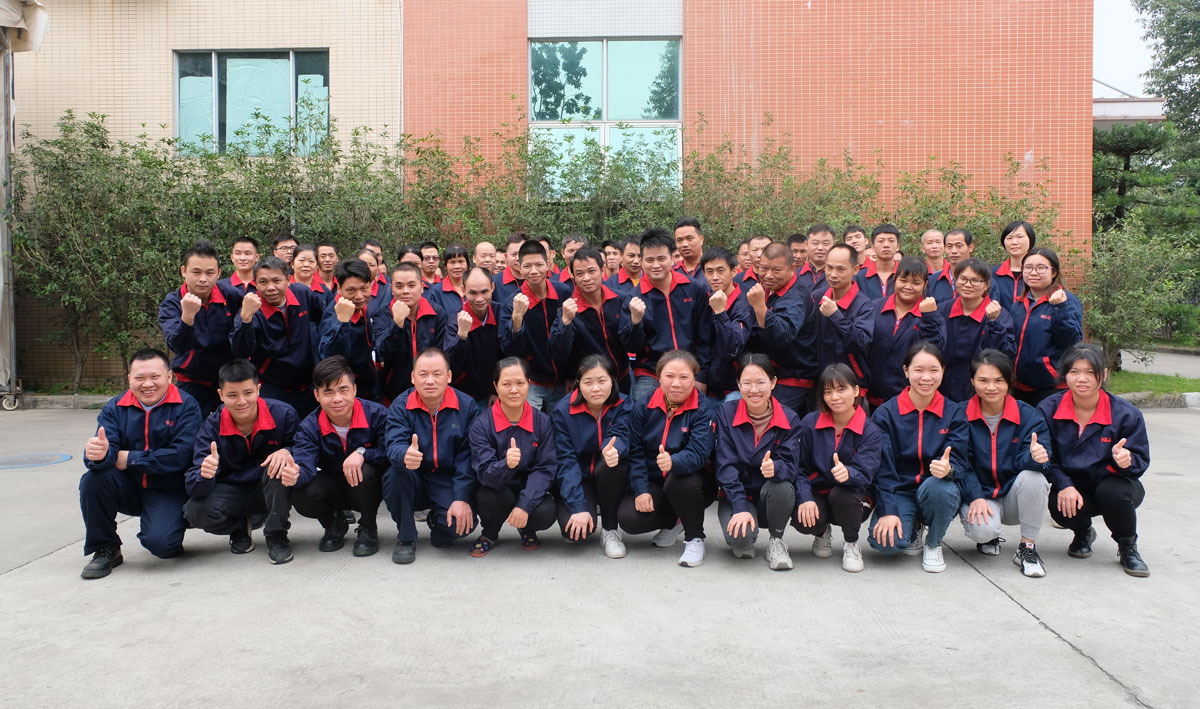
Our Team
Senior & professional sales service team and Professional production team
  • Senior & professional sales service team
    Senior & professional sales service team

    More than 10 years experience in filter and clean room equipment sales

  • Senior design and development team
    Senior design and development team

    More than 10 years of experience

  • Professional production team
    Professional production team

    6S management

  • 1994
    0
    Since
  • 2000
    0+
    Sales
  • 500
    0+
    Solutions
  • 100+
    0
    Countries
About Us
GUANGZHOU KLC CLEANTECH CO., LTD., as a leading supplier of air filters and cleanroom equipment, is committed to providing excellent solutions for clean and fresh air.
Featured Products
The products involve 58 fields and have a certain market share.
  • Air Filter
  • Cleanroom Equipment
Certificate
6S management; ISO9001 quality management system; ISO14001 environmental management system
  • CE-AS Series

    CE-AS Series

  • CE-LF Series

    CE-LF Series

  • Air shower-CE

    Air shower-CE

  • CE-Clean bench

    CE-Clean bench

  • CE-Pass box

    CE-Pass box

  • FFU-CE

    FFU-CE

  • ISO9001 (EN)

    ISO9001 (EN)

  • ISO14001 2015

    ISO14001 2015

  • Pleated Filter-UL-Certificate of Compliance

    Pleated Filter-UL-Certificate of Compliance

  • Pocket Filter-UL-Certificate of Compliance

    Pocket Filter-UL-Certificate of Compliance

  • Separator Filter-UL-Certificate of Compliance

    Separator Filter-UL-Certificate of Compliance

  • SGS AIR Shower test report

    SGS AIR Shower test report

  • SGS FFU & LC VC

    SGS FFU & LC VC

  • 2009 UL-filter

    2009 UL-filter

  • SGS F5 F7 F9 filter roll stitched RoHS

    SGS F5 F7 F9 filter roll stitched RoHS

  • Certificate ffu ul

    Certificate ffu ul

Latest News
KLC provides long-term security and technical support, based on data and facts, comprehensive and in-depth analysis, to provide you with professional advice and detailed product descriptions.
  • The Complete B2B Buyer’s Guide to HEPA Filter Efficiency Classes: H13, H14, U15, U16 — How to Choose Without Overspending
    Jun 25, 2026
    The Complete B2B Buyer’s Guide to HEPA Filter Efficiency Classes: H13, H14, U15, U16 — How to Choose Without Overspending
    Choosing the right HEPA filter grade requires balancing efficiency with operational cost. While H13 and H14 filters capture up to 99.995% of particles at MPPS, U15 and U16 ULPA filters reach 99.99995%, making them critical for semiconductor fabs but needlessly expensive for general industrial HVAC. This ultimate B2B buyer’s guide explains the EN 1822 standard efficiency classes of H13, H14, U15, and U16 filters. It is designed to help procurement officers, facility directors, and cleanroom engineers compare performance, assess energy impacts, and select the correct filter grades without over-specifying.   Understanding the EN 1822 Standard and MPPS High-Efficiency Particulate Air (HEPA) and Ultra-Low Penetration Air (ULPA) filters are classified under the European EN 1822 standard, which is also the basis for the international ISO 29463 standard. Unlike basic HVAC filters, which are tested using dust-spot efficiency or synthetic dust loads, HEPA and ULPA filters are evaluated based on their performance against the Most Penetrating Particle Size (MPPS). The physics of air filtration dictate that particles of different sizes are captured by different physical mechanisms: • Inertial Impaction and Interception: Capture larger particles (greater than 0.5 microns) that cannot navigate the tortuous path around the filter fibers. • Brownian Diffusion: Captures very small particles (smaller than 0.1 microns) that wander randomly due to molecular collisions, making them highly likely to strike a fiber. • The Gap (MPPS): Between these two size ranges—typically between 0.1 and 0.25 microns—neither mechanism is perfectly efficient. This specific range is the Most Penetrating Particle Size. Because this is the hardest size to capture, EN 1822 requires filters to be tested at their exact MPPS. If a filter can successfully block 99.995% of particles at its MPPS, it is guaranteed to capture larger and smaller particles with even higher efficiency.   EN 1822 Filter Classification Table   Filter Group Filter Class MPPS Overall Efficiency (%) MPPS Overall Penetration (%) MPPS Local Efficiency (%) MPPS Local Penetration (%) HEPA H13 ≥ 99.95%  ≤ 0.05% ≥ 99.75% ≤ 0.25% HEPA H14 ≥ 99.995% ≤ 0.005% ≥ 99.975% ≤ 0.025% ULPA U15 ≥ 99.9995% ≤ 0.0005% ≥ 99.9975% ≤ 0.0025% ULPA U16 ≥ 99.99995% ≤ 0.00005% ≥ 99.99975% ≤ 0.00025%   Note: “Overall” refers to the average efficiency across the entire filter face, while “Local” refers to the efficiency measured at any single spot (leak-point) during automated scanning.   Sourcing Sourcing and Supplier Selection When purchasing cleanroom filters, B2B buyers must partner with manufacturers that offer the entire spectrum of HEPA and ULPA grades, from H13 mini-pleat filters to U16 high-efficiency panels. Working with a comprehensive supplier ensures that you can source the exact grade required for different sections of your facility under a single purchase contract. A trusted supplier like KLC provides fully certified H13, H14, U15, and U16 filters. To guarantee zero-bypass leakage, KLC performs 100% factory leak testing on automated scanning oil-mist test rigs in full compliance with EN 1822. Every filter is shipped with an individual serialized test report documenting its exact initial resistance, face velocity, and overall/local efficiency, providing complete audit traceability.   The Cost Penalty of Over-Specifying One of the most common mistakes made by procurement managers is “over-specifying”—purchasing a higher filter class than the process actually requires. For example, buying a U15 ULPA filter for an ISO Class 7 workspace. This over-specification introduces a severe long-term financial penalty: 1. Capital Expense (CapEx) Penalty: A U15 ULPA filter of identical dimensions can cost 50% to 100% more than an H13 HEPA filter. For large facilities requiring hundreds of filter modules, this difference can represent tens of thousands of dollars in wasted capital budget. 2. Energy Expense (OpEx) Penalty: Higher efficiency requires denser glass-fiber paper with finer fibers. This significantly increases the filter’s initial resistance (pressure drop). An H13 HEPA filter typically has an initial pressure drop of 110–130 Pa, while a U15 has a pressure drop of 150–200 Pa. To push the same volume of air through a denser U15 filter, the AHU fans must work harder and consume significantly more electricity. 3. Lifespan and Replacement Penalty: Denser filters clog faster. Without expensive multi-stage pre-filtration (such as G4 + F9), high-grade ULPA filters will reach their terminal resistance much faster than HEPA filters, leading to shorter replacement cycles and higher labor and disposal costs. Industry Selection Advice To select the correct filter grade without overspending, refer to this industry decision matrix based on cleanroom class and application requirements:   Filter Grade Selection Table by Industry and ISO Class Industry / Application Target ISO Class Recommended Filter Grade Alternative Option Primary Contaminant Target Commercial HVAC / Offices Non-classified MERV 14 / ePM1 80% H13 (Only for specialized medical/clean zones) Pollen, coarse dust, atmospheric aerosols Food Processing / Sterile Packaging ISO 7 or 8 H13 HEPA H14 (For high-risk raw zones) Mold spores, airborne yeast, bacteria Hospital Operating Theatres ISO 6 or 7 H14 HEPA H13 HEPA Pathogens, bacteria, surgical smoke Pharma Aseptic Processing (Grade A) ISO 5 H14 HEPA U15 ULPA Bacteria, active dust, microscopic spores Semiconductor Fabrication ISO 3 or 4 U16 ULPA U15 ULPA Sub-micron silicon debris, fine airborne ions Optical Lens Manufacturing ISO 5 or 6 H14 HEPA U15 ULPA Fine glass fragments, micro-particulates     Frequently Asked Questions What is the primary difference between a HEPA filter (H13/H14) and an ULPA filter (U15/U16)? The primary difference is the efficiency and the size of particles they are rated to capture. HEPA filters (H13 and H14) are rated to capture at least 99.95% and 99.995% of particles at their Most Penetrating Particle Size (MPPS, typically 0.3 microns). ULPA filters (U15 and U16) are denser, capturing at least 99.9995% and 99.99995% of particles at a smaller MPPS (typically 0.12 microns).   What does “Most Penetrating Particle Size” (MPPS) mean, and why is it important? The MPPS represents the particle size that is hardest for an air filter to capture—typically between 0.1 and 0.25 microns. Particles larger than this are easily caught by inertial impaction, while smaller particles are easily caught by Brownian diffusion. Because the MPPS represents the filter’s weakest point, the EN 1822 standard requires efficiency to be measured at this size to ensure a worst-case performance guarantee.   How does pressure drop affect the long-term cost of a HEPA filter? Pressure drop (resistance) directly determines the electrical energy required by fans to maintain cleanroom airflow. A higher initial pressure drop (e.g., 200 Pa for U15 vs 120 Pa for H13) forces fan motors to run at higher speeds. Over a filter’s 3-to-5-year lifespan, the cumulative cost of this extra electricity can exceed the purchase price of the filter itself.   Can I replace an H13 filter with an H14 filter in an existing FFU? Yes, in most cases, you can physically replace an H13 with an H14 filter since their dimensions are identical. However, the H14 filter has a higher initial pressure drop. You must ensure that the Fan Filter Unit (FFU) motor has sufficient static pressure capacity to maintain the required face velocity (0.45 m/s) with the denser filter installed.   What is the difference between overall efficiency and local efficiency in the EN 1822 standard? Overall efficiency is the average capture rate measured across the entire face of the filter. Local efficiency is the capture rate measured at any single point during an automated probe scan. For example, an H14 filter must have an overall efficiency of ≥99.995%, and its local efficiency cannot drop below 99.975% at any point, ensuring no pinhole leaks exist.   Why do semiconductor cleanrooms require ULPA (U15/U16) filters? Semiconductor cleanrooms operate at ISO Class 1 to 4 levels, where even a single particle larger than 0.1 microns can land on a silicon wafer and short-circuit microscopic transistor circuits. HEPA filters are insufficient because they allow a small percentage of sub-0.3-micron particles to pass. ULPA filters are mandatory to capture these sub-micron particles and ensure high wafer yields.   How does face velocity affect the efficiency and life of HEPA filters? The standard face velocity for testing and operating HEPA filters is 0.45 m/s (90 fpm). Increasing the face velocity beyond this limit forces particles through the media faster, reducing the contact time for Brownian diffusion and lowering filter efficiency. It also significantly increases the pressure drop, shortening the filter’s operational lifespan.   How do I test HEPA filter efficiency and leaks after installation? Installed HEPA filters are tested using an aerosol photometer or discrete particle counter in accordance with ISO 14644-3. Technicians release a challenge aerosol (such as PAO or DOP) upstream of the filter, then scan the downstream face and seal frame with a probe. Any concentration reading exceeding 0.01% of the upstream challenge indicates a leak that must be sealed.   What is the expected lifespan of an H14 HEPA filter in a pharmaceutical cleanroom? The expected lifespan of an H14 HEPA filter in a cleanroom is typically 3 to 5 years, provided that multi-stage pre-filtration is strictly maintained. Pre-filters (such as G4 and F9) must be replaced every 3 to 6 months to capture coarse dust. If pre-filters are neglected, the main HEPA filter will clog within 12 to 18 months.   Can HEPA and ULPA filters be cleaned or washed to restore efficiency? No, standard HEPA and ULPA filters are made from delicate, ultra-fine borosilicate glass-fiber paper that is held together by organic binders. Washing or spraying these filters with water, solvents, or compressed air will tear the fibers, dissolve the binders, and create pinhole leaks, completely destroying their filtration capability and voiding their certification.   Conclusion and Recommendations Selecting the correct HEPA or ULPA filter grade requires a careful balance of cleanliness requirements, initial investment, and long-term energy costs. For most general pharmaceutical and sterile industrial applications, H14 HEPA filters provide excellent protection without the high pressure-drop penalty of ULPA filters. ULPA filters should be reserved for critical semiconductor and nanotechnology zones. To ensure your facility selects the most efficient and cost-effective filtration configuration, always consult with a certified manufacturer that offers independent third-party test reports. Discover KLC’s full range of certified HEPA and ULPA filtration systems by visiting KLC International Cleanroom Systems  
  • Pharmaceutical Cleanroom Equipment List: What You Actually Need for GMP Compliance (ISO 5–8)
    Jun 23, 2026
    Pharmaceutical Cleanroom Equipment List: What You Actually Need for GMP Compliance (ISO 5–8)
      To achieve GMP compliance in pharmaceutical cleanrooms, facilities require specialized cleanroom equipment such as air showers, pass boxes, laminar flow workbenches, and dispensing booths. These systems maintain strict airborne particulate limits and biocontamination levels across ISO Class 5 to 8 environments. This article presents the complete, essential equipment list for pharmaceutical cleanrooms operating under GMP standards (ISO 5 to ISO 8). It connects each machine to relevant EU GMP Annex 1 regulatory clauses, details IQ/OQ/PQ validation requirements, and provides a B2B procurement framework.   Regulatory Context: EU GMP Annex 1 and Biocontamination Control Aseptic pharmaceutical processing is one of the most strictly regulated industrial operations in the world. To manufactured sterile injectables, oral solid dosages, or ophthalmic solutions, companies must comply with international Good Manufacturing Practices (GMP) and local FDA guidelines. Specifically, the revised EU GMP Annex 1 regulations place immense emphasis on contamination control strategies (CCS), active differential pressure control, and physical isolation of critical zones. Under GMP, cleanrooms are classified into four distinct grades: • Grade A (Equivalent to ISO 5, at rest and in operation): The critical zone for high-risk operations, such as aseptic filling, capping, and sterile compounding. Unidirectional (laminar) airflow must be maintained at a stable velocity of 0.36 to 0.54 m/s over the open product. • Grade B (Equivalent to ISO 5 at rest, ISO 6 in operation): The background environment immediately surrounding the Grade A aseptic filling zone. • Grade C (Equivalent to ISO 7 at rest and in operation): Used for less critical preparation steps, such as solution compounding prior to sterile filtration. • Grade D (Equivalent to ISO 8 at rest and in operation): Used for the initial handling of raw materials, washing of glass containers, and personnel gowning. Maintaining these cleanliness levels requires the integration of high-performance mechanical equipment, designed to prevent cross-contamination and control personnel entry.   Essential Pharmaceutical Cleanroom Equipment To build a compliant pharmaceutical facility, B2B procurement teams must include the following equipment in their design specifications: 1. Air Showers (Personnel and Cargo): Placed at the entrance between non-classified gowning zones and Grade C/D cleanrooms. High-velocity HEPA-filtered air jets (typically ≥25 m/s) blow downward, removing loose fibers and skin flakes from personnel garments before they enter the cleanroom. 2. Pass Boxes (Static and Dynamic): Integrated into wall partitions to allow material transfer between rooms of different cleanliness grades. – Static Pass Boxes are used for non-critical, passive material transfer between identical cleanroom grades. – Dynamic Pass Boxes utilize integrated blower-HEPA systems to actively flush the internal chamber with ISO 5 sterile air, maintaining positive pressure and preventing cross-contamination during transfer between different grades. 3. Dispensing Booths (Weighing and Sampling Booths): Downflow booths designed to protect the operator and background cleanroom during raw powder handling. Air is drawn downward, preventing toxic dust from rising into the operator’s breathing zone or escaping into adjacent clean spaces. 4. Laminar Flow Workbenches: Localized clean benches providing ISO Class 5 (Grade A) protection for non-hazardous sterile preparations. 5. Fan Filter Units (FFUs) & Terminal HEPA Housings: High-efficiency air filters with integrated fan motors mounted on ceiling grids to supply sterile air to background clean zones.     EU GMP Annex 1 Relevant Clauses Understanding the regulatory why behind each equipment type is critical: • Clause 4.12 (Grade A Unidirectional Flow): States that Grade A zones must maintain a homogeneous airflow velocity of 0.36 to 0.54 m/s at the working position. This directly justifies the procurement of laminar flow workbenches or downflow dispensing booths with integrated velocity sensors. • Clause 4.14 (Pressure Differentials): Requires a positive pressure differential of 10 to 15 Pascals between adjacent cleanrooms of different grades. Air showers and pass boxes with automated electromagnetic interlocks are crucial to prevent pressure drops when doors are opened. • Clause 4.22 (Material Transfer): Explicitly mandates that the transfer of equipment and materials into cleanrooms should minimize contamination risks. This makes dynamic pass-through boxes (equipped with UV sanitization lamps and H14 HEPA filtration) a regulatory necessity for GMP facilities.   Validation Requirements: IQ/OQ/PQ Overview Before any piece of pharmaceutical cleanroom equipment can be used in commercial production, it must pass a rigorous validation process: • Installation Qualification (IQ): Verifies that the equipment is manufactured from compliant materials (typically SUS304 or SUS316L stainless steel), matches the approved engineering drawings, is installed in the correct location, and has all utility connections (electrical, exhaust) verified and logged. • Operational Qualification (OQ): Tests the equipment empty to ensure all controls operate within design limits. This includes measuring downward airflow velocity uniformity, checking the operation of electronic door interlocks, and performing aerosol photometer leak tests on HEPA filters (under EN 1822) to verify zero bypass leakage. • Performance Qualification (PQ): Conducted during simulated production (e.g., aseptic media fills). This stage verifies that the equipment can consistently maintain required airborne particulate counts and micro-biological limits (via air samplers and settle plates) during actual workflow conditions. Sourcing and KLC Custom Configurations For pharmaceutical companies sourcing equipment for GMP-compliant facilities, KLC provides a comprehensive, high-quality B2B pharmaceutical cleanroom equipment list. Their systems are manufactured using medical-grade SUS304 stainless steel with mirror-polished internal corners to prevent bacterial accumulation. KLC’s dynamic pass boxes feature integrated H14 HEPA filters, differential pressure monitors, and PLC-controlled electromagnetic interlocks, ensuring full compliance with EU GMP Annex 1, Clause 4.22. For sampling and raw material weighing, KLC’s downflow dispensing booths achieve Class 100 sterile containment by utilizing multi-stage filtration (G4 pre-filter + F9 medium filter + H14 HEPA filter) and specialized air-curtain designs to protect both product and operator.   Pharmaceutical Cleanroom Equipment & Filter Guide   Cleanroom Class (ISO / GMP) Required Equipment Type Recommended Quantity / Guide Critical HEPA Filter Grade GMP Compliance Role ISO 5 / GMP Grade A Laminar Flow Workbench, Dynamic Pass Box, Dispensing Booth 1 per critical zone / filling line H14 (≥99.995%) or U15 (≥99.9995%) Provides unidirectional sterile air barrier directly over open product ISO 6 / GMP Grade B Terminal HEPA Diffuser housings, Pass Boxes (Dynamic) 1 housing per 4–6 m² H14 (≥99.995%) Maintains Grade B background environment for filling lines ISO 7 / GMP Grade C Cargo/Personnel Air Shower, Static Pass Box, FFU 1 air shower per entrance; pass boxes as needed H13 (≥99.95%) or H14 Pre-cleaning personnel, preventing contamination from Grade D areas ISO 8 / GMP Grade D Fan Filter Units (FFU), Cleanroom Doors, Air Dampers Sufficient FFUs for 20-40 ACH H13 (≥99.95%) Basic cleanroom envelope, entry-level gowning and washing areas   Frequently Asked Questions What is the difference between a static pass box and a dynamic pass box in GMP? A static pass box is a non-ventilated chamber used to transfer materials between rooms of identical cleanliness. A dynamic pass box features an integrated blower and H14 HEPA filter system. It actively circulates sterile air through the chamber to sweep away particulates when doors are opened, and maintains positive pressure, making it mandatory for material transfers between different GMP grades.   Why are air showers mandatory for personnel entering pharmaceutical cleanrooms? Personnel are the single largest source of particulate and microbiological contamination in a cleanroom, continuously shedding skin flakes and clothing fibers. Air showers are mandatory because they use high-velocity (≥25 m/s) HEPA-filtered air streams to forcefully scrub and blow away these loose particles from personnel gowning before they enter clean production areas.   How does EU GMP Annex 1 affect the selection of laminar flow cabinets? The revised EU GMP Annex 1 requires strict compliance with unidirectional flow velocities (0.36 to 0.54 m/s) and continuous environmental monitoring. When selecting laminar flow cabinets, buyers must choose models equipped with built-in velocity sensors, automatic fan speed compensation to offset filter loading, and integrated ports for particulate and microbial air sampling.   What are the IQ/OQ/PQ requirements for a dynamic pass-through box? IQ requires verifying stainless steel (SUS304) construction, dimensions, and electrical wiring diagrams. OQ involves testing the electromagnetic door interlock logic, measuring the internal downflow velocity, and performing a PAO/DOP HEPA filter leak test. PQ requires conducting active particulate counting and surface microbial swab testing to prove no contamination occurs during material transfer.   What is the role of a dispensing booth (sampling booth) in pharmaceutical weighing? A dispensing booth protects both the operator and the background cleanroom from toxic raw drug powders during weighing and sampling. By creating a downward laminar flow, it pulls airborne powder dust down and away from the operator’s face, directing it through pre-filters and HEPA filters at the floor level before recirculating the air.   Can we use aluminum-frame HEPA filters in a sterile GMP cleanroom? Yes, anodized aluminum frames are highly suitable for HEPA filters in GMP cleanrooms because they are corrosion-resistant, lightweight, and do not rust when exposed to chemical disinfectants. However, the filters must be installed in airtight housings with gel-seal or high-temperature neoprene gaskets to prevent bypass leakage, and the frames must be thoroughly sanitized.   How do cleanroom doors contribute to maintaining differential pressure? Cleanroom doors must provide an airtight seal to prevent pressure drops. GMP-compliant doors feature specialized drop-down bottom seals and heavy-duty perimeter gaskets. When the door is closed, these gaskets compress against the frame, preventing sterile air from leaking and ensuring that the required 10 to 15 Pascal pressure differential is maintained.   How do you clean and disinfect dynamic cleanroom equipment without damaging HEPA filters? Dynamic equipment should be cleaned using non-corrosive disinfectants (such as 70% Isopropyl Alcohol or hydrogen peroxide vapor) wiped onto stainless steel surfaces. Personnel must never spray liquid disinfectants directly onto the HEPA filter media, as liquids can damage the glass fibers, dissolve binder agents, and compromise the filter’s integrity.   Conclusion and Recommendations Maintaining GMP compliance requires careful coordination of mechanical cleanroom equipment and strict validation protocols. Investing in high-quality dynamic pass boxes, air showers, and downflow dispensing booths made from high-grade SUS304 stainless steel is essential to pass international audits. To ensure your facility meets EU GMP Annex 1 requirements and receives full certification, we recommend partnering with an experienced manufacturer that provides comprehensive validation documentation. Explore our complete line of pharmaceutical cleanroom equipment by visiting KLC International Cleanroom Systems.
  • Cleanroom Construction & Operational Costs: 2026 Outlook
    Jun 18, 2026
    Cleanroom Construction & Operational Costs: 2026 Outlook
    As we approach 2026, cleanroom stakeholders face a dynamic cost landscape shaped by technological advancement, regulatory tightening, and macroeconomic shifts. While inflationary pressures on materials and labor persist, strategic investments in energy efficiency and modular design are redefining total cost of ownership (TCO). This guide provides updated benchmarks and foresight for budgeting cleanroom projects in the 2026 timeframe.     Capital Expenditure (CapEx) Trends for 2026   Construction Cost Benchmarks Based on current trajectories and industry forecasts, estimated hard construction costs for ISO-classified cleanrooms in North America and Western Europe are projected as follows: ISO Class 7 / Class 10,000: $180 – $240 per sq. ft. ISO Class 5 / Class 100: $320 – $450 per sq. ft. GMP Grade A/B Pharma Suites: $500 – $750+ per sq. ft. Note: These ranges exclude land, architectural fees, validation, and specialized process equipment. Regional variances can exceed ±20%.   Key CapEx Drivers in 2026 Modular & Prefabricated Systems: Adoption continues to rise, reducing on-site labor by 15–25% and compressing schedules by 3–6 months. Panelized wall/ceiling systems now offer faster ROI despite higher upfront material costs. Advanced HVAC Integration: Energy recovery ventilators (ERVs), magnetic bearing chillers, and AI-driven BMS add 8–12% to mechanical budgets but are increasingly mandated by sustainability codes. Regulatory Compliance Upgrades: EU GMP Annex 1 (2023 revision) and updated USP <797>/<800> requirements drive spending on enhanced monitoring systems, unidirectional flow devices, and contamination control strategies. Labor Market Tightness: Skilled trades shortages in MEP and specialty cleanroom installation continue to push labor rates upward, particularly in high-demand biotech hubs.     Operational Expenditure (OpEx) Projections Energy Consumption Energy remains the largest OpEx component, typically representing 40–60% of annual operating costs. In 2026: Electricity prices are expected to stabilize post-2024 volatility but remain 15–25% above pre-pandemic baselines in most regions. Facilities adopting real-time particle counting with demand-controlled filtration report 20–35% energy savings vs. traditional fixed-airflow designs. Heat pump adoption for simultaneous heating/cooling is accelerating, cutting thermal energy use by up to 50%.     Maintenance & Validation HEPA/ULPA filter replacement cycles are extending due to improved pre-filtration and smarter differential pressure monitoring, reducing annual filter spend by ~10%. Continuous environmental monitoring systems (CEMS) require software licensing, calibration, and data integrity audits—adding $15–$30/sq. ft./year in digital compliance costs. Requalification frequency may shift toward risk-based approaches under revised GMP guidance, potentially lowering third-party testing expenses.   Personnel & Consumables Gowning and cleaning supplies see modest annual increases (~3–5%), but reusable garment programs and automated disinfection robots are gaining traction to offset labor-intensive protocols. Training and certification costs rise as regulatory expectations for personnel competency grow.     Strategic Cost Optimization Levers for 2026   Lever Potential Savings Implementation Complexity Notes Modular Design 10–20% CapEx Medium Best for expansions or phased builds Demand-Controlled Ventilation 25–40% Energy OpEx High Requires validated sensor network Right-Sizing Classification 15–30% CapEx + OpEx Low Avoid over-specifying non-critical zones Lifecycle Cost Analysis (LCCA) Variable Medium Mandatory for public funding; reveals true TCO Digital Twin Simulation 5–15% Design Rework High Reduces change orders during construction     Regional Considerations North America: IRA incentives accelerate electrification and efficiency retrofits; state-level clean energy mandates vary significantly. Europe: CBAM and CSRD reporting increase administrative burden but unlock green financing; stricter embodied carbon limits affect material selection. Asia-Pacific: Rapid capacity expansion in China, India, and Singapore drives competitive pricing but introduces supply chain variability; local content requirements may impact sourcing.     Risk Factors to Monitor Geopolitical Supply Disruptions: Semiconductor-grade filters and specialty polymers remain vulnerable to trade restrictions. Interest Rate Environment: Higher financing costs extend payback periods for capital-intensive upgrades. Talent Retention: Turnover in facilities engineering teams increases hidden operational risks and retraining costs. Technology Obsolescence: Over-investing in proprietary systems without open standards may lock out future efficiencies.   Planning Recommendations 1. Adopt TCO Modeling Early: Integrate CapEx and 10-year OpEx projections into feasibility studies—not as an afterthought. 2. Engage Regulators Pre-Design: Align classification and monitoring strategies with agency expectations to avoid costly redesigns. 3. Prioritize Flexibility: Design for adaptability; today’s R&D suite may become tomorrow’s clinical manufacturing space. 4. Benchmark Against Peers: Use anonymized industry databases (e.g., ISPE, IEST) to validate cost assumptions. 5. Factor Sustainability as Value: Energy-efficient designs now correlate with faster approvals, lower insurance premiums, and ESG-aligned investor appeal.     Disclaimer Cost figures presented are indicative estimates based on Q3 2025 market intelligence and forward-looking analysis. Actual costs will vary by location, scope, vendor selection, and project-specific conditions. Always obtain detailed quotations from qualified EPC firms and conduct site-specific feasibility assessments before finalizing budgets. This document does not constitute financial or engineering advice.
  • Vertical vs. Horizontal Laminar Flow: Choosing the Right Clean Bench for Your Lab
    Jun 16, 2026
    Vertical vs. Horizontal Laminar Flow: Choosing the Right Clean Bench for Your Lab
    When selecting a clean bench or laminar flow hood, one of the most critical decisions is choosing between vertical and horizontal airflow configurations. Both provide ISO Class 5 (Class 100) environments, but they serve different applications, safety requirements, and ergonomic needs. Understanding their differences ensures optimal performance, user protection, and process integrity.     How Laminar Flow Works Laminar flow refers to air moving in parallel layers at uniform velocity, typically through a HEPA or ULPA filter. This unidirectional airflow sweeps away particulates, maintaining a sterile workspace. The direction of this flow—vertical (top-down) or horizontal (back-to-front)—defines the bench’s behavior and suitability.     Vertical Laminar Flow Benches   Airflow Pattern Air is drawn from above, passed through a ceiling-mounted HEPA filter, and flows downward over the work surface before exiting through perforations in the base or front grille.   Key Advantages User Protection: Downward airflow creates an air curtain that helps prevent contaminants from escaping toward the operator. Space Efficiency: Requires less depth; ideal for labs with limited floor space. Ergonomics: Unobstructed front access allows natural hand positioning and better visibility. Cross-Contamination Control: Less likely to blow particles from one sample to another when working with multiple items.   Common Applications Cell culture and tissue engineering Microbiology and aseptic media preparation Pharmaceutical compounding (non-hazardous) Electronics assembly where top-down particle removal is preferred   Limitations Turbulence can occur if tall equipment blocks downward airflow. Not suitable for hazardous materials (no containment; use biosafety cabinets instead).   Horizontal Laminar Flow Benches     Airflow Pattern Air enters from the rear, passes through a back-mounted HEPA filter, and flows horizontally across the work surface toward the operator.   Key Advantages Superior Product Protection: Direct, uninterrupted airflow across the work zone minimizes turbulence over sensitive materials. Ideal for Sensitive Processes: Excellent for open-vessel work where consistent unidirectional flow is critical. Simpler Maintenance: Filter replacement often easier due to rear access.   Common Applications Sterile filtration and media filling Optical lens and semiconductor handling Analytical instrument sample preparation Any process requiring maximal product protection with low bioburden risk   Limitations No User Protection: Air blows directly toward the operator—unsuitable for biohazards, toxins, or volatile chemicals. Larger Footprint: Requires more bench depth to maintain proper airflow dynamics. Cross-Contamination Risk: Particles from upstream items may be carried downstream to other samples.     Critical Comparison Table   Feature Vertical Laminar Flow Horizontal Laminar Flow Airflow Direction Top → Bottom Back → Front User Safety Moderate (air curtain) None (air toward user) Product Protection Good Excellent Space Requirement Compact Deeper footprint Cross-Contamination Risk Lower Higher (downstream carryover) Ergonomic Access Unobstructed front May require reaching into airflow Best For General lab work, cell culture High-purity product handling     ⚠️ Safety Note: Neither vertical nor horizontal clean benches are designed for hazardous biological agents, radioactive materials, or toxic chemicals. Use certified biosafety cabinets (BSCs) or chemical fume hoods for such applications.     Selection Guidelines   Choose Vertical Laminar Flow if: You prioritize user comfort and moderate protection. Workspace depth is limited. You work with multiple samples simultaneously. Your application involves non-hazardous biological materials.   Choose Horizontal Laminar Flow if: Product sterility is paramount and user exposure is not a concern. You handle open containers with highly sensitive contents. Process validation requires minimal airflow disruption over the work zone. You work exclusively with inert or non-hazardous substances.     Compliance & Standards Both configurations must comply with relevant standards: ISO 14644-1: Cleanroom air cleanliness classification NSF/ANSI 49: Biosafety cabinet performance (for BSCs only) EU GMP Annex 1: Aseptic processing guidelines USP <797> / <800>: Compounding standards (note: clean benches ≠ containment devices) Always validate airflow velocity, filter integrity, and particle counts during installation and annually thereafter.     Final Thoughts The choice between vertical and horizontal laminar flow isn’t about which is “better”—it’s about fit-for-purpose. Misapplication risks contamination, compromised data, or safety incidents. Conduct a thorough risk assessment considering your materials, processes, regulatory environment, and operator workflow before investing. When in doubt, consult a certified cleanroom engineer or industrial hygienist to ensure alignment with both scientific and safety requirements.
Top

Leave A Message

leave a message
If you are interested in our products and want to know more details,please leave a message here,we will reply you as soon as we can.
Submit

home

products

WhatsApp

About Us